
Menopause Rage Explained: Why You’re Angry at Your Husband
(It’s Not Your Fault)

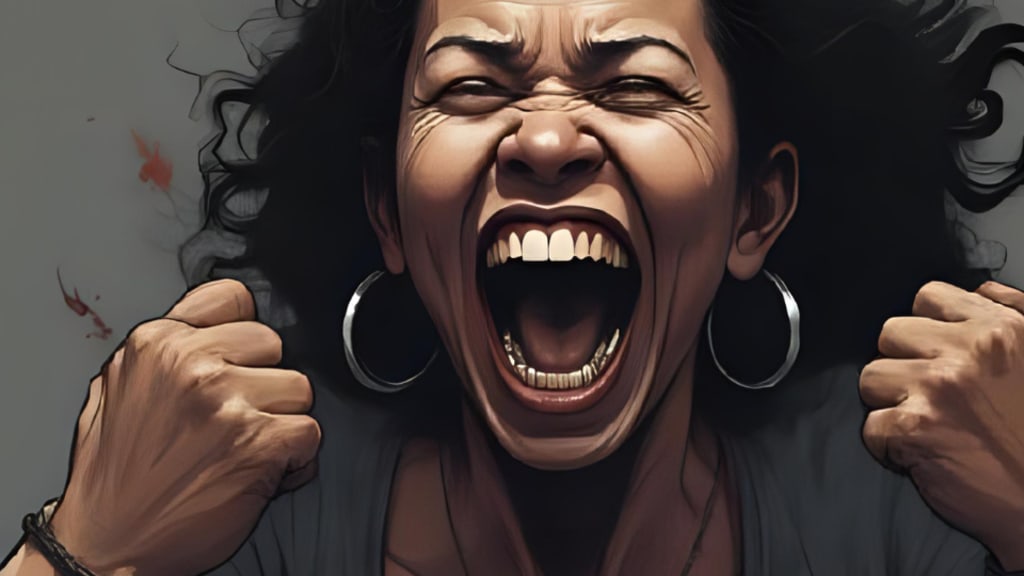
Menopause rage is the sudden, intense anger women might direct at their husbands during perimenopause or menopause. Fluctuating hormones like estrogen and serotonin, combined with life stress and fatigue, can trigger this response. Recognizing it isn’t your fault is the first step towards relief and better communication.
If you’re wondering why you’re feeling sudden fury or deep resentment towards your husband during this mid-life phase, you’re not alone—and you’re not to blame. What you’re experiencing is often called menopause rage, a real reaction linked to hormonal shifts, lifestyle pressure and untreated symptoms of perimenopause or menopause. Understanding why menopause rage happens can help you move from guilt to clarity—and begin healing the relationship.
Do you feel unexplained menopause and anger toward your husband that seems to surface from nowhere? You’re not alone. Many of us experience major mood changes during perimenopause that can feel overwhelming and hard to control. Research shows that more than 40% of people with anxiety disorders report serious anger problems.
The rage that comes with perimenopause is real, and you’ll feel it differently from typical anger or frustration. These intense perimenopause mood swings go beyond mere irritability—they connect to mechanisms that need attention. Research by the American Heart Association reveals that intense anger can increase the risk of heart attack and stroke within just two hours of the emotional episode. This makes anger management a health priority for women, not just an emotional necessity.
Multiple factors come into play when we direct this anger toward our husbands. Our intense feelings stem from hormone changes, other perimenopause-related symptoms, and life circumstances. Poor communication, lack of confidence, and the pressure to meet high expectations contribute to women’s anger issues.
Let me help you understand these intense emotions in this piece. You’ll learn why your husband often becomes the target and how to manage these feelings better. Note that none of this is your fault.
How to Cope: Tools to Manage Perimenopause Mood Swings
You can take control of perimenopause mood swings by understanding your options. Research shows several strategies that work to help you manage perimenopause anger, even during overwhelming moments.
Track your triggers with a mood journal
A symptom diary helps you spot patterns in your emotional responses. Many women discover that tracking moods with their cycle shows predictable patterns of high-anxiety days. This practice helps healthcare professionals determine whether your low mood stems from hormonal changes or indicates depression that needs different treatment.
Recording symptoms, potential triggers, and relief measures in a simple journal creates valuable insights about your unique experience. This information becomes significant when you discuss treatment options with healthcare providers.
Try mind-body therapies like yoga or meditation
Mind-body practices reduce stress levels and improve symptoms effectively. The largest longitudinal study of yoga, tai chi, and meditation showed improvement in overall menopausal symptoms, with reductions ranging from 36% to 80%.
These practices help by:
Lowering sympathetic activation
Making sleep better
Decreasing anxiety and depression
Easing fatigue
Start with gentle yoga or meditation for 10 minutes each day. Your consistency matters more than how long you practice.
Use ‘I’ statements to express needs
Open communication with loved ones about your feelings prevents misunderstandings. “I” statements help you express emotions without blame. To cite an instance, saying “I feel frustrated when I don’t get enough sleep” works better than “You never understand how tired I am.”
Research shows 72% of men have talked with their partners about menopause symptoms, though many find these conversations uncomfortable.
Practice radical acceptance and self-compassion

Self-compassion helps you accept feelings like sadness over youth loss or irritability from hormonal changes. Women who practice self-compassion experience fewer depressive symptoms. Their hot flashes interfere less with daily activities.
Many women struggle with negative self-talk. Place a hand on your arm or chest during tough moments to acknowledge your challenges.
Seek professional help if needed
Professional support becomes vital when symptoms affect your daily life. Your healthcare provider needs to know how you feel—they can determine if your symptoms point to a mental health condition that needs specialized care.
Treatment options include:
Hormone replacement therapy to balance hormones
Antidepressants to manage mood
Cognitive behavioral therapy to improve thought patterns
Managing the Storm: Final Thoughts on Perimenopause Rage
Perimenopause rage comes from a mix of biological, psychological, and relationship factors that women face during this life-changing transition. The good news? These intense emotions come from real physical changes, not character flaws. This knowledge alone can bring huge relief.
Your anger at your husband isn’t just you being irrational—it comes from hormone changes, poor sleep, buried emotions, and relationship needs that aren’t being met. The path to healing starts when you accept these factors without judging yourself or feeling ashamed.
You’re not walking this path alone. Millions of women go through these same emotional ups and downs. Society’s taboos often keep these stories hidden. This tough transition won’t last forever, even though it feels overwhelming right now.
This piece covered several ways to cope—tracking your moods, practicing mind-body techniques, improving communication, and getting professional help. These are great ways to get through this challenging time. Each woman finds her own way through, so take time to discover what works best for you.
Your marriage can grow stronger during this time. Open talks about what you’re going through create chances for deeper bonds, though both partners need courage to have these conversations.
Above all, be kind to yourself. Your body and mind need gentle care as they adjust to these big changes. Tough days will come, but you’ll find your balance again. These feelings don’t define who you are. With support and the right tools, you can direct this transition more smoothly.
FAQs
What causes menopause rage and anger at husband?
Menopause rage is primarily caused by fluctuating hormones (such as estrogen, progesterone and serotonin) during perimenopause and menopause, which impair mood regulation. Add in life stressors—career demands, caregiving, relationship strain—and you get a potent mix that can spark intense anger, even toward your husband.
Is it normal to feel rage toward your husband during menopause?
Yes, it’s more common than you think. Many women in perimenopause report irritability and rage, and husbands or partners often become targets of that frustration. Recognizing the pattern as a symptom—not a character flaw—is key to moving forward.
How can I stop directing my menopause rage at my husband?
Start by acknowledging the rage isn’t your fault. Then focus on practical strategies: hormone assessment by a healthcare provider, improving sleep and nutrition, managing stress, and opening honest communication with your husband. These steps reduce menopausal mood swings and relational tension.
Could my husband’s behaviour be triggering my menopause anger?
While your husband’s behaviour might irritate you, the primary driver of menopause anger is hormonal and bodily change—not just his actions. Understanding this distinction helps you address the root cause (hormones/lifestyle) rather than seeing his behaviour as the sole trigger.
When should I seek professional help for menopause rage?
Seek help if your anger is persistent, harming your relationship or mental health, or if it co-occurs with depression, anxiety or severe sleep problems. A menopause specialist or mental health professional can evaluate hormone therapy, lifestyle interventions and relationship counselling.
About the Creator
Peter Ahn
DoggyZine.com provides unique articles. Health, Behavior, Life Style, Nutrition, Toys and Training for dog owners.
The Family Portrait
I have a thing against confident men. Don’t get me wrong—I do not hate them. I am just amazed by their sheer arrogance. To look life in the face and turn it to stone, Medusa-like. To smile at a camera and not be fazed by the lights flashing millisecond by millisecond. To wear jewelry and not fear that it will slip from sweat on their wrists, their necks, or their fingers.
By Brian Kennedyabout 6 hours ago in Families




Comments
There are no comments for this story
Be the first to respond and start the conversation.