
Managing Social Anxiety: Coping with Fear of Social Situations
Managing Social Anxiety

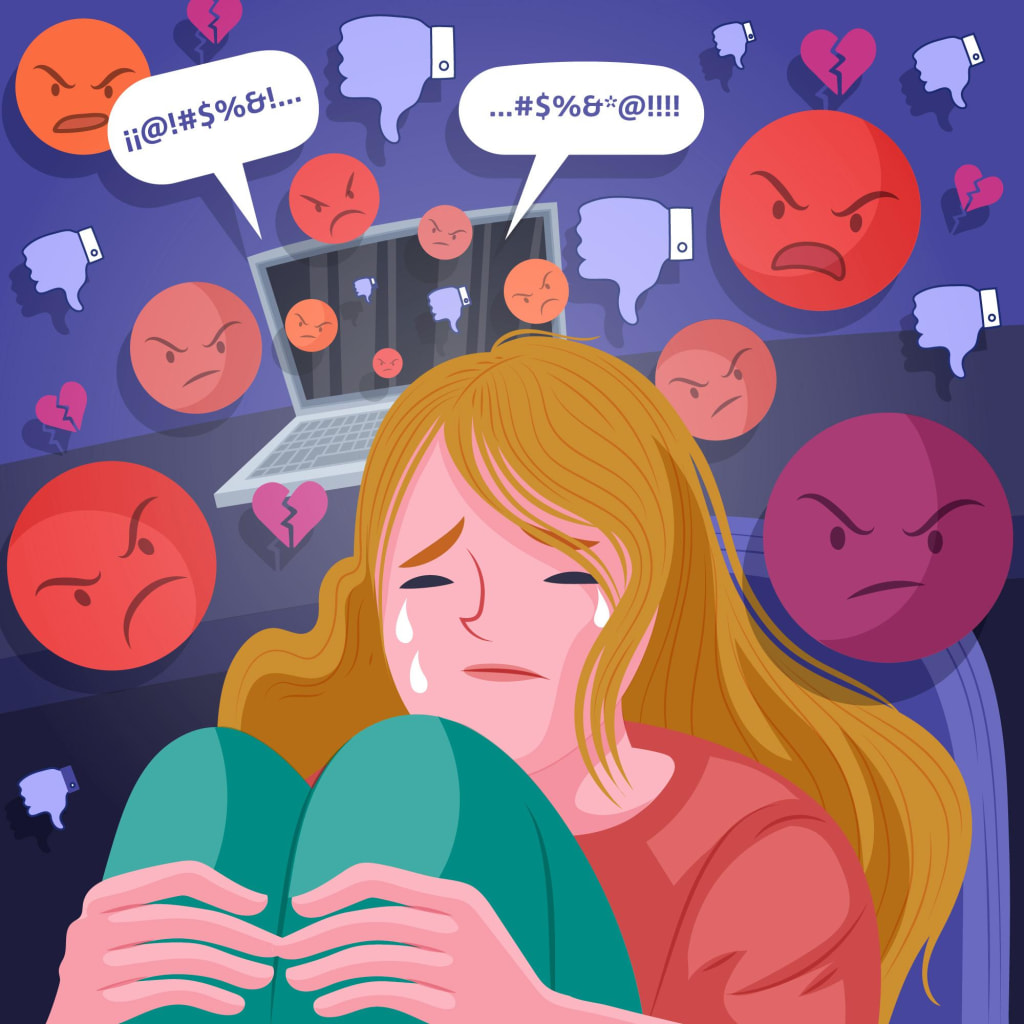
Social anxiety disorder is a condition characterized by anxiety and fear when you are in social situations with other people. If you suffer from social anxiety, you are most likely afraid of being judged or scrutinized by others. This disorder can be treated with talk therapy and medications like antidepressants.
Social anxiety disorder can be a complex and debilitating condition, and it's important to seek help if you're experiencing symptoms. But the good news is that many effective treatments are available, from therapy and medication to mindfulness and self-help techniques. With the right support and tools, you can learn to manage your social anxiety and live a more fulfilling life.
If you have a social anxiety disorder and want to know more about how you can overcome it, read along to get all your questions answered.
What is Social Anxiety Disorder?
Social anxiety disorder is a condition that can make social situations feel like a daunting challenge. It's like having a tiny voice in your head that whispers negative thoughts and critiques everything you say or do. The simple thought of speaking in front of a group, attending a party, or even engaging in small talk with someone new can trigger intense fear and anxiety, leaving you feeling isolated and alone.
There are two main types of Social Anxiety Disorder (SAD):
Generalized Social Anxiety Disorder
It is the most common type and involves a persistent fear of a wide range of social situations, such as public speaking, eating in front of others, and engaging in conversations. People with generalized SAD often experience anxiety in anticipation of social events, and their symptoms can significantly impact their daily lives.
Specific Social Anxiety Disorder
It is also known as Social Phobia, which involves a fear of specific social situations, such as public speaking or using public restrooms. Unlike generalized SAD, the fear is specific to certain situations, and the symptoms may not be present in other social cases.
Each type of social anxiety disorder has different degrees of severity, ranging from mild to extreme. For example, someone with a mild form of social anxiety disorder may experience only minor discomfort in social situations. In contrast, someone with an extreme form may feel completely debilitated by their symptoms.
What are the Signs and Causes of Social Anxiety Disorder?
Social anxiety is a mental health condition that manifests as intense and persistent fear, anxiety, or distress in social situations. The social anxiety symptoms can vary from person to person, but some common signs and causes of anxiety may include the following:
Fear or avoidance of social situations, such as parties, public speaking, or using public restrooms
Excessive self-consciousness and worry about being judged or humiliated in social situations
Physical symptoms, like sweating, trembling, nausea, and rapid heartbeat
Difficulty making eye contact or speaking up in social situations
Avoidance of activities or situations that involve social interaction
The causes of social anxiety are complex and can be influenced by various factors, including:
Genetics: Research suggests that social anxiety disorder may be hereditary and can run in families.
Environmental factors: Traumatic or stressful experiences, such as bullying or abuse, may contribute to the development of social anxiety disorder.
Brain chemistry: Social anxiety disorder may be linked to imbalances in certain brain chemicals, such as serotonin, that regulate mood and anxiety.
Personality traits: Individuals with certain personality traits, such as low self-esteem, perfectionism, or a tendency towards negativity, may be more susceptible to developing a social anxiety disorder.
How to Manage Social Anxiety?
Managing Social Anxiety can be challenging, but it's important to note that it is a treatable condition. It's important to remember that managing social anxiety is a process, and it may take time to see progress. However, with consistent effort and support, it's possible to overcome the challenges of social anxiety and live a fulfilling life. Here are a few ways that may help you cope with the fear of social situations:
Seek Professional Help
Seeking professional help is the first step in managing social anxiety. A therapist can help you understand your social anxiety triggers, develop coping skills, and provide support and guidance throughout the treatment process. Cognitive-behavioral therapy (CBT) is a commonly used therapy for social anxiety disorder. This therapy helps identify and change negative thought patterns that contribute to anxiety.
Practice Relaxation Techniques
Relaxation techniques can help reduce the physical symptoms of anxiety, like a rapid heartbeat or shallow breathing. Deep breathing exercises, progressive muscle relaxation, meditation, and yoga are all relaxation techniques that can promote feelings of calmness and reduce stress levels.
Challenge Negative Thoughts
Negative self-talk and distorted thinking patterns can contribute to feelings of anxiety. Challenge negative thoughts by asking yourself if they're realistic or helpful. Practice replacing negative thoughts with positive and more realistic ones.
Gradual Exposure
Gradual exposure to feared social situations is an effective way to manage social anxiety. Start by identifying situations that trigger your anxiety and gradually work up to more challenging situations. This process allows you to build confidence and reduce anxiety over time.
Engage in Physical Activity
Physical activity can help reduce anxiety symptoms and improve mood. Regular exercises or other physical activities, such as dancing or hiking, can help reduce stress and improve overall well-being.
Build a Support System
A support system of family, friends, or a support group can provide a sense of belonging and help you cope with anxiety. Joining a support group can help you connect with people who understand what you're going through and provide a safe place to share your feelings.
Practice Self-Care
Practicing self-care is essential for managing social anxiety. Getting enough sleep, eating a healthy diet, and engaging in activities that bring you joy can help reduce stress and improve overall well-being. Self-care also includes setting boundaries and prioritizing your mental health.
What are the Mistakes You Should Avoid?
When coping with social anxiety, there are some mistakes that you should try to avoid, as they can make it more challenging to manage your anxiety. Here are some common mistakes to be aware of:
Avoiding social situations altogether
Using alcohol or drugs to cope
Constantly seeking reassurance
Comparing yourself to others
Being too hard on yourself
Ignoring physical symptoms
Why Should You Opt for Social Anxiety Therapy?
Social anxiety therapy can be a highly effective way to manage and overcome social anxiety disorder. Here are some reasons why you may want to consider therapy as a treatment option:
Professional Guidance: A trained therapist can provide guidance, support, and evidence-based strategies to manage your anxiety and build confidence.
Personalized Treatment: Every person with social anxiety experiences it differently. Therapy can provide you with customized treatment plans that are tailored to your specific needs and challenges.
Safe and Confidential Space: Therapy provides a secure and confidential space to talk about your concerns and work through your anxiety without fear of judgment or stigma.
Long-Term Benefits: Social anxiety therapy can provide long-term benefits beyond just managing your anxiety symptoms. You can learn valuable coping skills, increase self-awareness, and improve your overall well-being.
Improved Relationships: Social anxiety can affect your relationships and career. Therapy can help you improve your communication skills, build stronger relationships, and succeed in your personal and professional life.
Sustainable Results: Therapy can provide sustainable results that can last beyond the treatment period. You can learn to manage your anxiety and maintain your progress after therapy.
How to Find a Social Anxiety Therapist?
Finding a social anxiety therapist can feel overwhelming, but there are several steps you can take to make the process easier. Here are some tips on how to find a social anxiety therapist:
Consult with your primary care physician or mental health provider
Check with your insurance provider
Use online therapist directories
Ask for recommendations from friends or family
Attend support groups or workshops
Research the therapist
Conclusion
Social anxiety disorder can significantly impact a person's quality of life and relationships. However, with the right treatment and support, it is possible to overcome the challenges of social anxiety and live a fulfilling life. Seeking professional help, practicing relaxation techniques, challenging negative thoughts, gradual exposure, engaging in physical activity, building a support system, and practicing self-care can all be effective strategies for managing social anxiety.
Lifebulb offers personalized therapy services for individuals struggling with social anxiety disorder. With a team of experienced therapists, Lifebulb provides tailored treatment plans to address each client's unique needs. If you seek professional help to manage social anxiety, consider contacting Lifebulb for compassionate and effective therapy services.
About the Creator
Jack Jone
Hello, I'm a professional counsellor and therapist. dedicated to helping individuals, couples, and families achieve their mental health goals and improve their overall well-being. with 7 years of experience In the field.
Wise~Guys
— Look Behind what's in Front of You ~ Make Good Choices — Hey, So how you Doin'..! Made~Men — Mobster Movies romanticise a distinctive, elegant appearance, impeccable attire style, along with the 'Families' expressive lingo. Making their 'Bones' gave them Panache — with vintage fedoras, tailored pin-striped suits, mirror-polished wing-tip shoes adorned with tassels; with their 'Gun Moll' gorgeous dates on their arms.
By Jay Kantor19 days ago in Families
8 Thriller Movie Masterpieces So Great That They Became the Blueprint
The best thrillers are those that don't just entertain but redefine what the genre itself can be. Ranging from unforgettable villains to groundbreaking storytelling and reality-bending concepts, there exist quite a few masterpieces that have set the standard that countless movies would later attempt to follow.
By General gyan7 days ago in Families




Comments
There are no comments for this story
Be the first to respond and start the conversation.