
Living with Psoriasis: Understanding, Coping, and Thriving
A compassionate look at the challenges and resilience of psoriasis patients

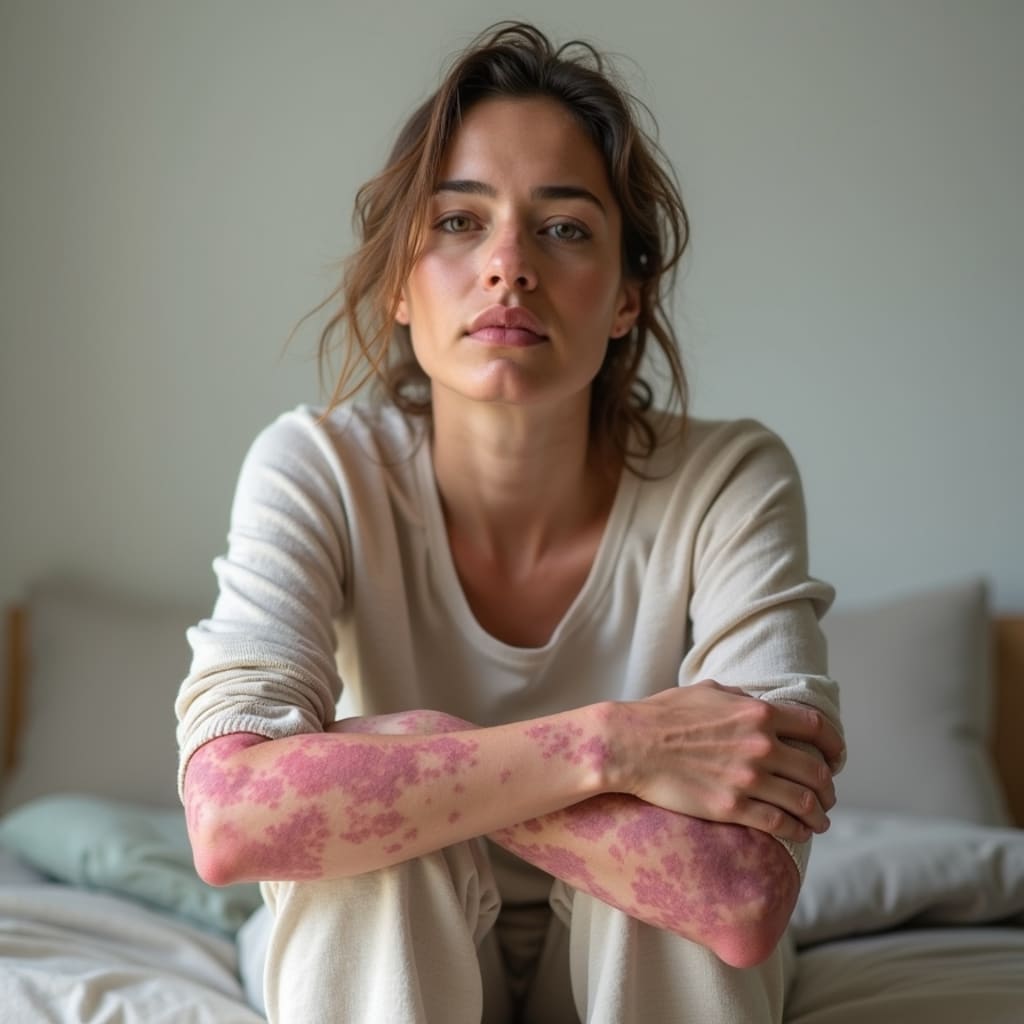
Living with Psoriasis: Understanding, Coping, and Thriving
Psoriasis is more than just a skin condition—it is a chronic autoimmune disorder that affects millions of people worldwide. For those living with psoriasis, the condition brings not only physical discomfort but also emotional and social challenges that can deeply impact daily life. Understanding psoriasis, its causes, treatments, and the experiences of patients is essential in reducing stigma and supporting those who live with this lifelong disease.
What is Psoriasis?
Psoriasis is a chronic inflammatory skin disease in which the immune system mistakenly speeds up the life cycle of skin cells. This rapid turnover causes skin cells to build up, forming thick, scaly patches that are often itchy, red, and painful. These patches, commonly called “plaques,” may appear on the scalp, elbows, knees, lower back, and even nails. Psoriasis is not contagious, but its visible symptoms often lead to social misunderstanding.
Types of Psoriasis
Psoriasis comes in different forms, and patients may experience one or more types over their lifetime:
- Plaque Psoriasis (Psoriasis Vulgaris): The most common type, characterized by raised, inflamed, scaly patches.
- Guttate Psoriasis: Small, drop-shaped spots often triggered by infections like strep throat.
- Inverse Psoriasis: Red, shiny lesions in body folds such as the armpits or under the breasts.
- Pustular Psoriasis: White pustules filled with non-infectious pus, surrounded by inflamed skin.
- Erythrodermic Psoriasis: A severe, rare form causing widespread redness, itching, and shedding of the skin.
Each type varies in severity and symptoms, making psoriasis a complex condition to manage.
Causes and Triggers
The exact cause of psoriasis is unknown, but it is linked to a malfunction in the immune system where T-cells attack healthy skin cells by mistake. Genetics play a strong role—those with a family history of psoriasis are more likely to develop it. Triggers include stress, cold weather, skin injury, smoking, alcohol, infections, and certain medications. Because triggers differ among individuals, psoriasis management often requires a personalized approach.
The Emotional Impact
Beyond the physical discomfort, psoriasis patients often face stigma and isolation. Misconceptions that the condition is contagious can lead to social rejection. Many patients struggle with low self-esteem, depression, and anxiety. Wearing short sleeves or visiting public places such as swimming pools can become a source of fear. It is crucial for society to understand that psoriasis is not a result of poor hygiene but an autoimmune condition that requires compassion, not judgment.
Treatment Options
While there is no permanent cure for psoriasis, various treatments help manage symptoms and improve quality of life:
- Topical Treatments: Creams and ointments with corticosteroids, salicylic acid, or vitamin D analogues help reduce inflammation and slow skin cell growth.
- Phototherapy: Controlled exposure to ultraviolet light reduces scaling and inflammation.
- Systemic Medications: For moderate to severe cases, oral or injectable drugs like methotrexate, cyclosporine, or biologics (which target specific parts of the immune system) can be prescribed.
- Lifestyle Changes: Managing stress, eating a balanced diet, and avoiding known triggers can greatly improve flare-ups.
Patients often need a combination of therapies, and regular follow-ups with dermatologists are vital.
Living with Psoriasis: Stories of Strength
Many psoriasis patients describe their journey as an ongoing battle, but also one of resilience. They learn to balance treatment, self-care, and social life while overcoming stigma. Support groups and online communities play a big role in helping patients feel less isolated. By sharing their experiences, patients inspire others to face the condition with courage.
The Role of Awareness
Raising awareness about psoriasis can change lives. When society understands that psoriasis is not contagious and recognizes the struggles patients face, stigma decreases. Awareness campaigns encourage early diagnosis, better treatment options, and more empathy for patients. Governments and health organizations must continue investing in research and affordable access to advanced therapies.
Hope for the Future
Medical research is progressing rapidly, with new biologic treatments offering improved control of psoriasis symptoms and fewer side effects. Scientists are also exploring genetic and immune pathways to develop more targeted therapies. For patients, these advancements bring hope of a better quality of life and, one day, perhaps a cure.
Conclusion
Psoriasis patients live with a condition that affects not only their skin but also their confidence, relationships, and mental health. By educating ourselves and offering compassion, we can help reduce stigma and create a supportive environment. Psoriasis is not just about visible plaques—it is about people who deserve understanding, dignity, and the chance to thrive.
About the Creator
Wings of Time
I'm Wings of Time—a storyteller from Swat, Pakistan. I write immersive, researched tales of war, aviation, and history that bring the past roaring back to life
Keep reading
More stories from Wings of Time and writers in Families and other communities.
The Last Light in the Window
The Last Light in the Window Ethan stood at the gate, suitcase in hand, staring at the small brick house that had been his compass for as long as he could remember. The evening sun painted the roof a glowing gold, the kind of glow that made everything look softer, kinder, even when reality was anything but.
By Wings of Time 6 months ago in Families
Punch the Macaque: The Baby Monkey Who Found Comfort in a Plush Friend
Today we look back at one of the most unexpected viral stories of 2025—a tale that began quietly in a zoo in Japan and grew into a global symbol of resilience and tenderness. It is the story of Punch, a Japanese macaque born in July 2025 at Ichikawa City Zoo in Chiba Prefecture. His life began with hardship, but what followed has touched millions across the world.
By Haroon Pasha5 days ago in Families
A System That Isn’t Working Challenge Winners
Systems promise order. They organize behavior, distribute opportunity, and suggest that if everyone follows the rules, things will work. The entries in A System That Isn’t Working look closely at what happens when that promise begins to slip.
By Vocal Curation Teamabout 10 hours ago in Resources




Comments
There are no comments for this story
Be the first to respond and start the conversation.