
Kaziranga National Park: A Journey into India’s Wild Heart
A Rhino Safari to Remember

There are few places on Earth where the wild still rules with such quiet majesty as it does in Kaziranga National Park, nestled in the northeastern state of Assam, India. Known for its vast floodplains, tall elephant grass, and the largest population of the endangered Indian one-horned rhinoceros, this UNESCO World Heritage Site is a sanctuary not only for animals but for the human spirit that yearns for nature's untamed beauty.
For any wildlife enthusiast, photographer, or eco-traveler, Kaziranga is more than a destination — it’s an awakening.
🦏 The Pride of Assam: Home to the One-Horned Rhino
Kaziranga’s most iconic resident is the Indian Rhinoceros (Rhinoceros unicornis). Once pushed to the brink of extinction due to hunting and habitat loss, this majestic creature has made a comeback thanks to decades of committed conservation efforts. Today, over 2,600 rhinos roam freely across Kaziranga’s grasslands — the highest concentration anywhere in the world.
Seeing one in person — covered in mud, its armor-plated skin glistening under the morning sun — is a primal experience. For a moment, time seems to stand still. There’s a silence in the air, not of emptiness, but of reverence.
But rhinos are only one part of Kaziranga's story.
🐅 Into the Realm of Tigers and Elephants
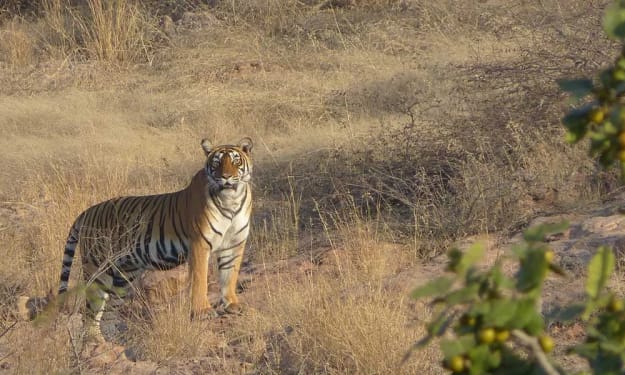
Kaziranga is also recognized as a Tiger Reserve, boasting one of the highest densities of Royal Bengal Tigers in India. Though elusive, tigers are frequently spotted, especially in the early morning when the mist still clings to the plains. The thrill of possibly locking eyes with the apex predator adds an undercurrent of excitement to every safari.
In addition, herds of Asian elephants wander the landscape in familial units, while wild water buffalo, swamp deer, and a mosaic of reptilian life flourish here.
Birdwatchers, too, are in for a treat. With 500+ species, including hornbills, pelicans, eagles, and migratory waterfowl, Kaziranga is a globally recognized Important Bird Area (IBA).
🚙 The Safari Experience: What to Expect
The best way to explore Kaziranga is via jeep safaris that venture into one of the park’s four main zones — Central, Western, Eastern, and Burapahar. Each zone offers a distinct ecological profile:
Central Zone (Kohora): Best for rhino sightings
Western Zone (Bagori): More grassland; elephants and wild buffaloes
Eastern Zone (Agratoli): Birdwatcher’s paradise
Burapahar Zone: Less touristy; dense jungle and hill terrains
These safaris are led by trained naturalists and forest guides. Many travelers opt for multiple safaris across different zones to fully appreciate the park’s biodiversity.
And when you book with an expert tour provider like Tiger Safari Tours India, you benefit from curated itineraries, skilled naturalists, comfortable accommodations, and seamless logistics.
🏡 Where to Stay: Eco-Lodges and Assamese Hospitality
Kaziranga is unique not just in its wildlife, but also in how it blends conservation with community. Many eco-resorts and homestays near the park offer immersive experiences — from traditional Assamese cuisine to village walks and tea estate visits.
Tiger Safari Tours India partners with top-rated accommodations that balance comfort with sustainability. Imagine sleeping in a bamboo cottage, waking to the calls of hornbills, and sipping tea harvested from the very land you stand on.
The locals are warm, welcoming, and deeply proud of their heritage and environment. Supporting these communities helps sustain the long-term future of Kaziranga’s ecosystem.
📅 Best Time to Visit & Practical Tips
Kaziranga is open to tourists from November to April. The best months for clear sightings are December to March, when the weather is pleasant and the water levels have receded, concentrating wildlife around grasslands and watering holes.
Here are a few travel tips:
Pack binoculars and a good zoom lens if you enjoy photography.
Wear earth-toned clothes during safaris (avoid bright colors).
Bring sunblock, a hat, and insect repellent.
Book safaris in advance, especially during peak season.
Respect nature. Don’t litter or feed animals. Keep noise to a minimum.
Air access is via Guwahati Airport (5 hrs by road) or Jorhat Airport (2 hrs), both well-connected to major Indian cities.
🌿 Conservation: A Shared Responsibility
Kaziranga is one of the rare conservation success stories in India. But it still faces threats: annual floods, encroachment, climate change, and poaching are real concerns.
The forest department, along with conservationists, NGOs, and responsible tour operators like Tiger Safari Tours India, plays a vital role in protecting this fragile habitat. Every tourist has a part to play. When you travel mindfully, respect the park’s rules, and support local communities, you become part of the conservation chain.
✨ Final Thoughts: Why Kaziranga Is More Than Just a Safari
Kaziranga doesn’t just show you wildlife. It humbles you. It makes you realize how ancient and sacred the connection between land, animal, and human truly is. Watching a rhino munching away peacefully or a baby elephant playing under its mother’s belly is a reminder that we share this Earth with beings equally deserving of space and respect.
Whether you're a seasoned wildlife traveler or planning your first safari, Kaziranga is an experience that stays with you — long after the journey ends.
🔗 Plan Your Journey with Experts
To truly experience Kaziranga’s wonders, book with those who know its heart.
🔗 Explore packages and book your Kaziranga safari here
About the Creator
Keep reading
More stories from Talib Khan and writers in Families and other communities.
Sariska Tiger Reserve: A Journey into Rajasthan’s Wild Heart
Deep in the rugged Aravalli Hills of Rajasthan lies a wilderness untouched by time — a place where tigers prowl ancient ruins and peacocks dance through golden meadows. Welcome to Sariska Tiger Reserve, one of India’s most iconic national parks and a must-visit destination for wildlife lovers and adventure seekers alike.
By Talib Khan9 months ago in Families
Wise~Guys
— Look Behind what's in Front of You ~ Make Good Choices — Hey, So how you Doin'..! Made~Men — Mobster Movies romanticise a distinctive, elegant appearance, impeccable attire style, along with the 'Families' expressive lingo. Making their 'Bones' gave them Panache — with vintage fedoras, tailored pin-striped suits, mirror-polished wing-tip shoes adorned with tassels; with their 'Gun Moll' gorgeous dates on their arms.
By Jay Kantor22 days ago in Families
How to Succeed at the Benson Directory®
Congratulations and welcome to the Benson Directory® employee #22391! As our newest call handler, you will have the privilege of speaking with dozens of unique and interesting people on a daily basis as well as the opportunity to earn bonuses for high performance. Contained within this handbook you will find a set of ease to follow instructions designed to help you settle in to your new role and begin paving the way to success.
By S. A. Crawford6 days ago in Fiction



Comments
There are no comments for this story
Be the first to respond and start the conversation.