
Is Tom and Jerry Actually for Kids?
Tom and Jerry and its appeal to both children and adults

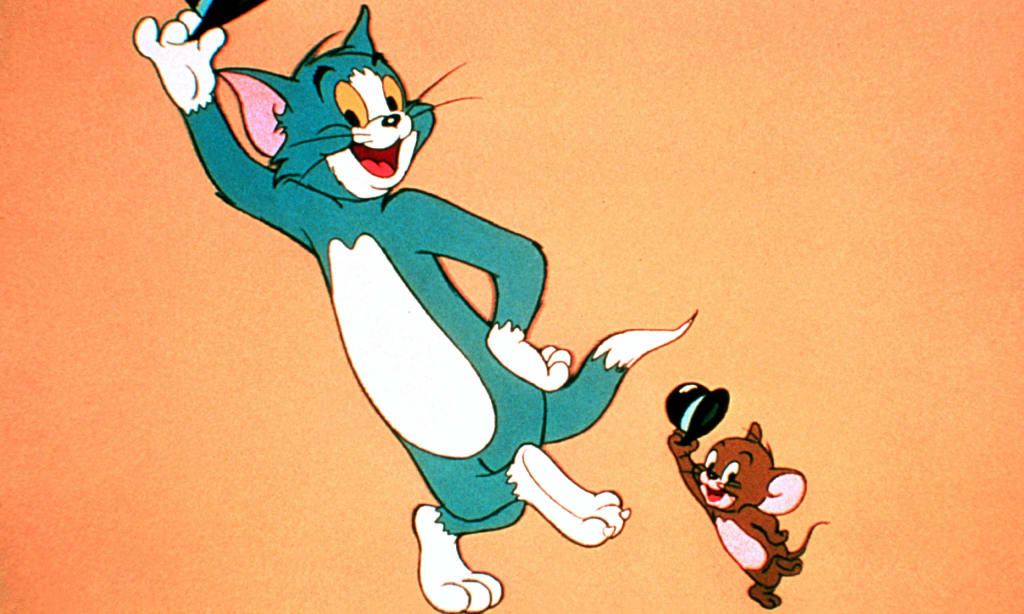
Tom and Jerry is one of the most beloved animated series of all time, but is it really just for kids? While the show is often categorized as children's entertainment, the reality is far more nuanced. This iconic series, created by William Hanna and Joseph Barbera in 1940, has managed to captivate audiences of all ages for over 80 years. The question of whether it's "just for kids" opens up an interesting discussion about its themes, humor, and appeal.
The Simple Premise: Timeless and Universal
At its core, Tom and Jerry revolves around the eternal chase between Tom, a house cat, and Jerry, a clever mouse. The simplicity of the plot is a significant reason why children can easily follow along and enjoy the series. Episodes typically involve Tom coming up with elaborate schemes to catch Jerry, only for those plans to backfire in hilarious, sometimes outrageous, ways.
For kids, the slapstick humor—characters getting flattened by frying pans, catapults, explosions—is instantly gratifying. These visual gags are universal, relying on physical comedy rather than dialogue, which is why children across different cultures and languages can enjoy the show. The exaggerated reactions, fast-paced action, and funny sound effects are precisely the elements that make it seem like a perfect fit for young audiences.
Appeal to Adults: Humor, Wit, and Subtext
While children are drawn to the physical comedy, adults often appreciate Tom and Jerry on a deeper level. There are layers of wit and humor that can go unnoticed by younger viewers. For example, some episodes include clever cultural references, wordplay, and situations that nod to classic films, music, and even societal norms from the era when the episodes were made.
For adults, the real magic of Tom and Jerry lies in its ability to convey humor without words. The visual storytelling, timing of the gags, and the personalities of Tom and Jerry themselves offer a level of sophistication that engages older viewers. Many fans, for instance, find themselves rooting for Jerry's cunning nature or sympathizing with Tom's relentless determination, a dynamic that can feel more relatable to adults than kids.
In certain episodes, the show even dabbles in more mature themes, such as relationships, jealousy, and ambition, but always in a light-hearted manner. Some of the cartoons have moral undertones, teaching lessons about persistence, ingenuity, and the consequences of greed, without ever feeling preachy.
Clever Use of Music and Sound
Another aspect that elevates Tom and Jerry beyond just children's entertainment is its masterful use of music and sound. Many of the early episodes are synchronized with classical music, giving the action a rhythmic and almost choreographed feel. Musical cues emphasize the comedic beats, turning the action into something akin to a ballet of chaos. Adults who appreciate classical music or understand the references can find added layers of enjoyment in these episodes.
For example, in the episode “The Cat Concerto,” Tom plays a piano piece, and the entire chase between Tom and Jerry unfolds in perfect harmony with Liszt’s Hungarian Rhapsody No. 2. These subtleties go beyond simple entertainment for children, offering something truly special for musically inclined adults.
Violence in Cartoons: A Debate for Parents
While the slapstick nature of the show may seem harmless to many, some parents have raised concerns over the years about whether the violent antics of Tom and Jerry are appropriate for young viewers. The show features frequent physical altercations—characters are hit with frying pans, blown up with explosives, or flattened like pancakes. For some parents, this level of violence, even in a cartoonish, exaggerated form, raises the question of whether it sends the right message to kids.
However, defenders of the show argue that the violence is so over-the-top and absurd that it’s clearly not meant to be taken seriously. The lack of real-world consequences (Tom always recovers from his injuries in the next scene) and the fantastical nature of the show prevent children from perceiving the violence as realistic. Moreover, many argue that slapstick has been a long-standing form of humor, from Charlie Chaplin to the Three Stooges, and Tom and Jerry merely follows in that tradition.
Nostalgia: Connecting Generations
For many adults, Tom and Jerry carries a nostalgic value. Those who watched the show as children may now re-watch episodes with their own kids, creating a shared experience across generations. The timeless nature of the show, combined with its ability to entertain all ages, makes it a perfect example of family-friendly entertainment that doesn't feel outdated.
Whether it's the relentless rivalry between the cat and mouse or the brilliance of the silent-era inspired physical comedy, Tom and Jerry retains an appeal that goes far beyond its initial target audience. It has a way of making both kids and adults laugh, albeit for different reasons.
Conclusion
In conclusion, while Tom and Jerry may seem like a show made primarily for children, its universal humor, clever storytelling, and timeless appeal make it enjoyable for audiences of all ages. Kids may laugh at the slapstick, while adults can appreciate the wit, subtext, and nostalgic charm. Far from being "just a kids' show," Tom and Jerry is a classic example of animated entertainment that transcends age groups, making it as relevant today as it was when it first debuted over 80 years ago.
About the Creator
Subin @vocal
Not a Regular Blogger. But loves to share my thoughts, movie and drama recommentations.
Keep reading
More stories from Subin @vocal and writers in Families and other communities.
The True Horror Story of Peppa Pig
Peppa Pig is a beloved children's cartoon that has captured the hearts of millions of children around the world. With its colorful animation and lovable characters, Peppa Pig seems like a harmless show that parents can feel good about letting their children watch. However, behind the cheerful exterior of Peppa Pig lies a dark and disturbing reality that has left many parents horrified and concerned.
By Subin @vocal3 years ago in Families
The Day I Saw My Father Cry
Most of us grow up believing that our parents are unbreakable. As children, we see them as pillars of strength—people who always know what to do and how to solve every problem. Especially fathers. They are often seen as the strong ones, the protectors, the people who never show weakness. For most of my life, I believed that about my father. Until the day I saw him cry.
By Shoaib Afridi7 days ago in Families



Comments (1)
Love Tom and Jerry. Still watch it when I find it on television. Many lessons to learn about the past, present and even the future.