
Is Stevia Safe for Kids? A Guide for Health-Conscious Parents
Is Stevia Safe for Kids

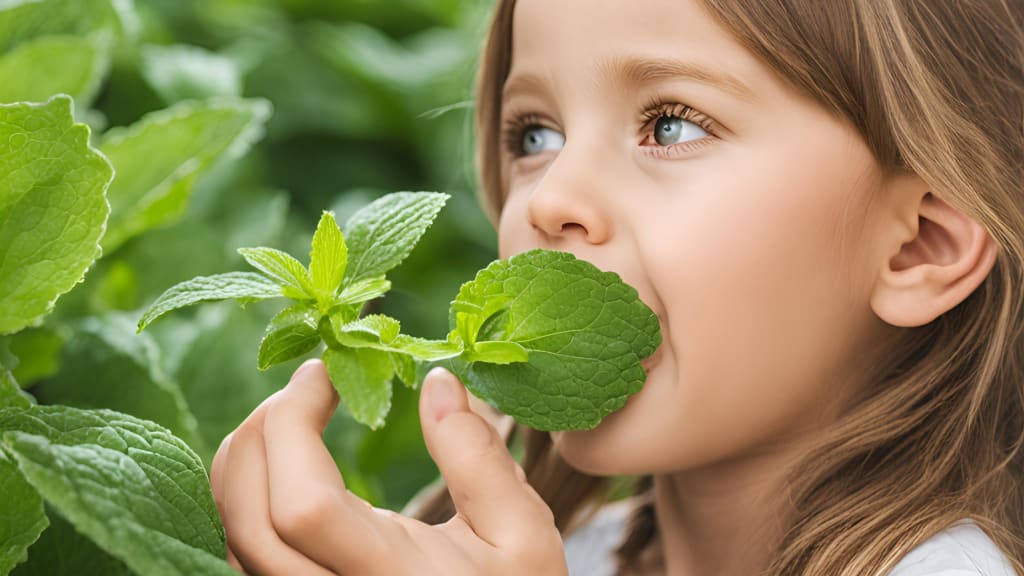
As more people turn to natural sweeteners to reduce sugar intake, parents are asking an important question: Is stevia safe for children? With concerns about childhood obesity, diabetes, and dental health, understanding whether stevia is a suitable alternative for kids is crucial. This blog explores stevia's potential benefits, possible side effects, and practical ways to incorporate it safely into a child’s diet.
What is Stevia?
Stevia is a natural sweetener extracted from the leaves of the Stevia rebaudiana plant. It is much sweeter than sugar, but with almost no calories and a glycemic index of zero, making it a popular choice for those looking to reduce sugar intake. Available in various forms—such as powder, liquid, and sachets—stevia has become a favored sugar substitute among health-conscious consumers. However, when it comes to kids, are there any precautions?
Is Stevia Safe for Kids?
According to the Food and Drug Administration (FDA) and the European Food Safety Authority (EFSA), purified stevia extracts (like steviol glycosides) are generally safe for consumption. However, it's essential to keep in mind that children may be more sensitive to certain substances than adults. Here’s a look at the main factors to consider.
Benefits of Stevia for Kids
1. Zero Calories
For children who struggle with weight management, replacing high-calorie sugar with stevia could support a healthier lifestyle without depriving them of sweet flavors.
2. Supports Dental Health
Unlike sugar, stevia doesn’t contribute to tooth decay. This is a significant advantage for children, as maintaining dental health is often challenging with regular sugar consumption.
3. Diabetic-Friendly
Stevia has a minimal impact on blood glucose levels, making it a potential option for kids with diabetes or those who need to regulate blood sugar.
Potential Concerns About Stevia for Kids
1. Taste Adaptation
Stevia’s distinct aftertaste may take some getting used to, and children might not immediately enjoy it. It can sometimes be helpful to mix it with other natural sweeteners, like fruit or honey (for children over the age of 1), to make the transition smoother.
2. Risk of Overconsumption
Even though stevia is natural, too much of any sweetener can lead to issues like taste adaptation, where children start craving sweet flavors regularly. This can be mitigated by gradually reducing the overall sweetness in foods, using stevia sparingly.
3. Gastrointestinal Sensitivity
Stevia can cause mild digestive issues in some individuals, especially if consumed in large amounts. Starting with small doses and monitoring your child's reaction can help ensure a positive experience.
Practical Ways to Use Stevia for Kids
If you decide to introduce stevia into your child’s diet, here are some easy, kid-friendly ways to incorporate it safely:
1.Homemade Treats
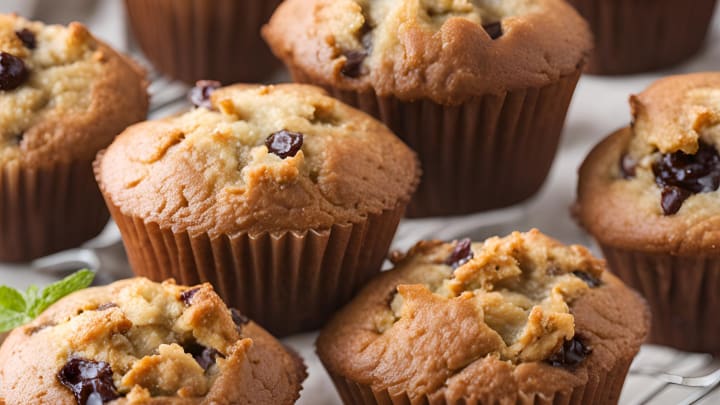
Use stevia in place of sugar in homemade desserts, like cookies or muffins. This can reduce calorie content and make treats more nutritious.
2.Sweetened Beverages
Try adding a few drops of liquid stevia to lemonade or smoothies instead of sugar. Be mindful of portion sizes, as even a small amount of stevia can be very sweet.
3.Fruit-based Snacks
Pairing stevia with natural sweetness from fruits can create balanced snacks. Mix stevia-sweetened yogurt with fresh berries, or drizzle it over a fruit salad.
4.Low-sugar Breakfasts
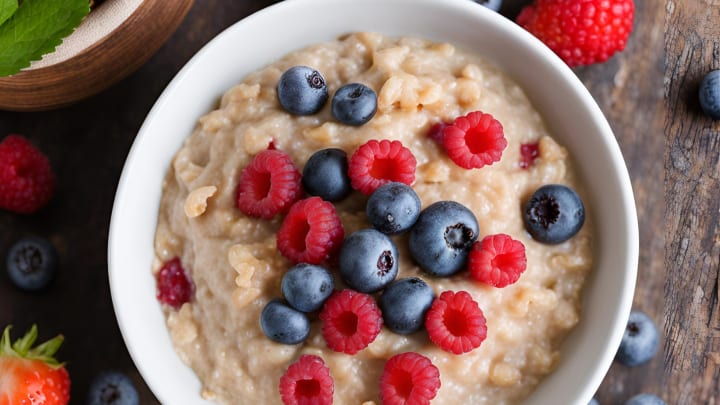
Sweeten oatmeal or whole-grain cereal with stevia instead of sugary toppings for a nutritious breakfast without a sugar spike.
How Much Stevia is Safe for Kids?
The acceptable daily intake (ADI) for stevia, according to health authorities, is approximately 4 mg per kilogram of body weight. For example, a child weighing 20 kg (about 44 pounds) could safely consume up to 80 mg of stevia per day. Consulting a pediatrician is a good idea to discuss safe intake amounts, especially if your child has any medical conditions or dietary restrictions.
Key Takeaways for Parents
Moderation is Key: Stevia is safe for children when consumed in moderation, but excessive sweetness—even from natural sources—should be limited.
Monitor for Reactions: If introducing stevia, start with small amounts and monitor for any digestive discomfort or taste aversions.
Encourage Balanced Eating: Remember, a balanced diet with whole foods, fruits, and vegetables is foundational to children’s health. Stevia should complement, not replace, healthy eating habits.
Conclusion
For health-conscious parents, stevia can be a great sugar substitute for kids when used responsibly. With zero calories, minimal impact on blood sugar, and support for dental health, stevia offers many benefits for children without the drawbacks of regular sugar. As with any dietary change, start slow, consult a pediatrician if needed, and observe your child’s response. A mindful approach to using stevia can help you create a balanced, health-focused diet for your kids without compromising on taste.
For more about stevia and how to use it in family-friendly recipes, explore our collection of stevia-sweetened recipes or learn about why stevia is a great choice for all ages.
About the Creator
Shnaya Alleayah
As a certified nutritionist, I help individuals make balanced choices with natural sugar substitutes like stevia. With expertise in plant-based nutrition, I provide practical, research-backed guidance for a healthier, sustainable lifestyle.
Keep reading
More stories from writers in Families and other communities.
Feliz Día de San Valentín: 20 Ways to Celebrate Love and Connection Around the World
Introduction to Feliz Día de San Valentín Feliz Día de San Valentín is celebrated on February 14 every year, serving as a reminder to express love, appreciation, and emotional connection. While traditionally associated with romantic couples, the celebration has grown to embrace friendships, family, and self-love.
By Story Prism5 days ago in Families



Comments
There are no comments for this story
Be the first to respond and start the conversation.