
Is Cheating the New Side Hustle?
Why Gen Z Women Are Turning Infidelity Into Financial Freedom in a Cost-of-Living Crisis


Introduction: The Viral TikTok That Sparked a Debate
Scrolling TikTok the other day, I stumbled across a viral post that made me stop mid-scroll. A woman in her early 20s casually revealed that she only dates married men — and that this so-called “dating strategy” had just allowed her to buy her first home.
Predictably, I braced myself for the onslaught of judgment. Surely the comments section would be full of outrage, accusations of being a “homewrecker,” and a moral lecture or two. But instead? The replies were shockingly supportive.
Women from across the internet piled in, not to condemn her, but to share similar stories, offer congratulations, or even express envy. The energy wasn’t shame. It was: “Sis, get that bag.”
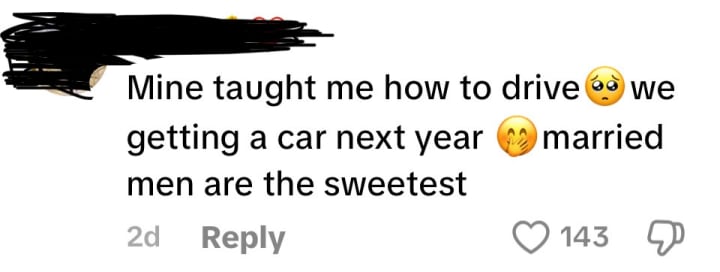
And here’s the thing: it isn’t just about her. It’s about what her story reveals — a much bigger cultural shift in how women are re-framing cheating, relationships, and money in a world where the cost of living is rising faster than the average salary.
So let’s ask the uncomfortable question: is cheating becoming more acceptable in the age of financial struggle?
Sugar Babies, Side Hustles, and Shifting Morality
I’ll admit, I’ve been there myself. I worked as a sugar baby for a while. Sometimes the men I dated were single, but often, they weren’t. And I learned one thing quickly: a man’s marriage is his responsibility, not mine.
It was his vows, his promises, his ring on his finger — not mine.
For me, it was transactional. For him, it was cheating. For his wife? Well, she may not have known, but the betrayal wasn’t mine to carry.

Now, I’m not here to glorify cheating. But I am here to notice how the conversation around infidelity has changed. Where once women would be dragged online as “husband stealers,” many are now applauded for using men’s disposable income as a survival strategy.
It’s not that cheating itself has become more “ethical.” It’s that capitalism has made it relatable.
The Cost-of-Living Crisis Meets Romantic Morality
Let’s be brutally honest: being faithful doesn’t pay the bills. Being “the good girl” who dates men her own age, splitting rent on a one-bed flat, often leaves women broke, exhausted, and one bad payday away from eviction.
Meanwhile, women who lean into transactional relationships — sugar dating, dating older wealthy men, or yes, dating married men — are buying houses. They’re clearing debts. They’re upgrading their lives in ways that traditional monogamy rarely affords.
And in today’s economy, that gap is glaring.

We used to shame women who admitted to “gold digging.” Now? With energy bills doubling, wages stagnating, and rent skyrocketing, the gold digger looks less like a villain and more like a woman who’s figured out the system.
Feminism, Infidelity, and the Redistribution of Wealth
Here’s where it gets messy: does this make infidelity feminist?
Well, let’s think about it. For centuries, marriage has been an institution that overwhelmingly benefitted men. Women were property. Wives stayed home, raised children, and were expected to be faithful while men openly cheated. Men got mistresses, women got societal scorn.
But today? We’re seeing a reversal. Women are now the ones taking power, money, and property out of affairs. And instead of being ruined by shame, they’re thriving.
This doesn’t erase the pain of betrayal for wives, of course. But it does raise a fascinating point:
If marriage is already stacked in men’s favour, is turning cheating into a wealth redistribution tool a subversive act of feminism?
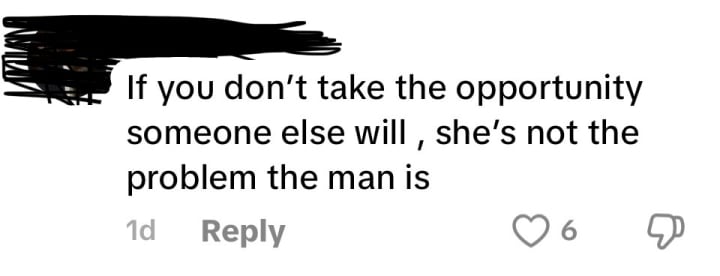
It’s not a comfortable answer. But it explains why so many women are applauding the TikToker’s success story instead of condemning it.
“His Vows, Not Mine”: Why Women Don’t Feel Guilty
When I was sugar dating, I’d hear this again and again from women in the scene: “His wife isn’t my problem. His marriage isn’t my job. His choices aren’t my responsibility.”
And that mindset is spreading.
Unlike past generations, Gen Z and younger millennials don’t seem to believe in collective responsibility for a man’s fidelity. Why should they? Women are already juggling careers, childcare, and bills that outpace their income. Adding “protect the sanctity of someone else’s marriage” onto the to-do list? It’s just not happening.

It’s not coldness. It’s practicality. In a climate where everything feels unaffordable, morality is competing with survival.
The Dark Side: When Empowerment Meets Exploitation
Now, let’s not romanticise this entirely. For every woman who successfully flips a married man’s attention into financial independence, there are women who are manipulated, gaslit, or exploited.
Cheating isn’t just a “strategy.” It can leave wreckage behind — families, children, wives blindsided by betrayal. And women who rely on these arrangements can also be left vulnerable if the money dries up or if the man retaliates.
But here’s the twist: those risks don’t make the strategy less popular. In fact, the viral comments suggest women are more willing to take those risks, precisely because traditional dating feels like a bigger gamble.
Date a single man your own age? You might split the rent on a flat you can barely afford. Date a married man with money? You might get a house out of it.
It’s not romantic, but it is rational.
Why We’re Talking About This Now
This conversation couldn’t have gone viral ten years ago. Back then, a woman openly admitting she dates married men would have been crucified online.
But today, with rising economic inequality, the feminist re-framing of relationships, and social media amplifying every taboo confession, the conversation has shifted.
Cheating hasn’t become “good.” But it has become understandable. And in a cost-of-living crisis, understandable behaviour often becomes acceptable.
Conclusion: Cheating as a Mirror of Our Economy
So, is cheating becoming more acceptable? Not because morality has changed, but because the economy has forced women to adapt.
When being “the good girl” no longer guarantees security, women are re-writing the rules of dating, marriage, and money. And for some, that means turning infidelity into opportunity.
You don’t have to like it. You don’t have to condone it. But you can’t ignore what it says about our culture:
👉 That survival trumps morality.
👉 That wealth is being redistributed in unorthodox ways.
👉 And that the feminist revolution sometimes wears an uncomfortable mask.
Because if one viral TikTok tells us anything, it’s this: in 2025, cheating isn’t just about sex. It’s about survival.
About the Creator
No One’s Daughter
Writer. Survivor. Chronic illness overachiever. I write soft things with sharp edges—trauma, tech, recovery, and resilience with a side of dark humour.
Keep reading
More stories from No One’s Daughter and writers in Families and other communities.
How I Would Raise My Daughter in Today’s World: Lessons for Strong, Independent Girls
Introduction If I had a daughter in today’s world, I wouldn’t raise her to be quiet, compliant, or “good.” I would raise her to be strong. I would raise her to be a weapon in a world that so often tries to make women into victims.
By No One’s Daughter7 months ago in Families
How Much Does Memory Care Cost in the U.S.? Average Monthly Prices Explained
With the onset of memory loss in a loved one as a result of some conditions such as dementia or Alzheimer disease, families tend to start to seek specialized care services. The first question that one would want to have answered when undergoing this process is very basic, yet significant, and that is how much is the cost of memory care?
By Patrica Overton3 days ago in Families
Should Children ALWAYS listen to Adults?
Many people believe children should always listen to adults because adults have more experience and knowledge about life. Adults have faced many situations and learned from their mistakes over time. Because of this, they often try to guide children and help them avoid problems. However, others argue that adults are not always right and that children should also learn to think for themselves. Children are individuals with their own thoughts and ideas, and sometimes they may see things differently from adults. This text will explore both sides of the argument to understand whether children should always listen to adults.
By *+*+*~Teja~*+*+*about 21 hours ago in Families




Comments
There are no comments for this story
Be the first to respond and start the conversation.