
Is a Loft Conversion Cheaper Than an Extension?
Torn between converting your loft or extending your home?

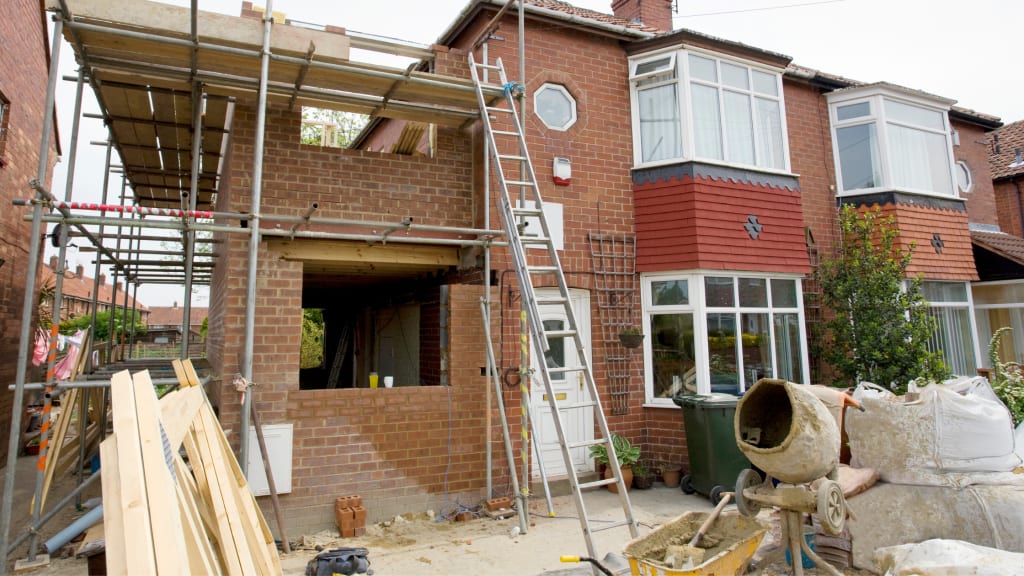
If you're short on space but not ready to move, it's time to weigh up two popular options, going up or building out.
Here's what you need to know.
Loft Conversion vs Extension: At a Glance
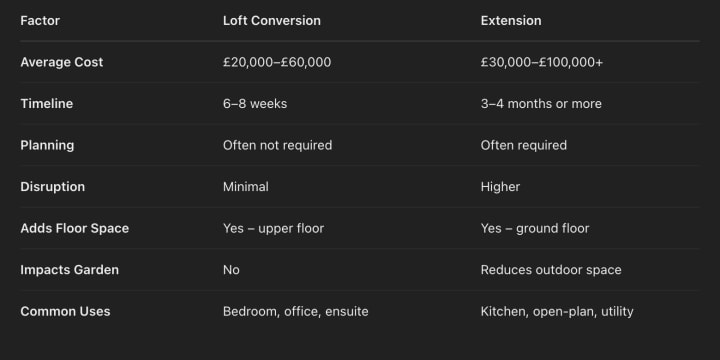
Loft conversions usually win on cost, speed, and simplicity. Because you're building into an existing structure, there's no need for expensive foundations or major excavation work.
Typical costs:
- Velux loft conversion : from £20,000
- Dormer loft conversion : £35,000 to £55,000
- Hip-to-gable/mansard : from £50,000
Extensions cost more - especially double-storey or wraparounds - and often involve planning permission, excavation, and drainage work.
Why Loft Conversions Often Cost Less
- No foundations: Uses existing roof space
- Fewer materials: Especially with Velux or basic dormers.
- Faster: Often completed in 6–8 weeks.
- Minimal disruption: Most work is above your living space.
- Permitted development: Most lofts don't need planning permission.
What Adds More Value?
Loft conversions can add up to 20% to your property's value, especially if you add a bedroom or bathroom. Extensions can add value too, but may not always deliver the same return unless they expand a high-demand area like the kitchen.
Read the full story here: Loft Conversion vs Extension: Which Is Right for Your Home?
How Much Does a Loft Conversion Really Cost?
Loft conversion costs can vary widely depending on the type, size, and finish of your project, but they typically cost less per square metre than extensions. Here's a rough breakdown:
- Velux (rooflight) conversion: from £20,000
- Dormer conversion: £35,000–£55,000
- Mansard or hip-to-gable conversion: from £50,000+
The average cost per m² for a loft is often around £1,300–£1,800, while extensions can exceed £2,000/m² once you include foundations, drainage, and external works.
Want a more accurate figure for your home? Try our Loft Conversion Cost Calculator to get an instant estimate based on your property and goals.
What Affects the Price of a Loft Conversion?
Several factors influence the total cost of your loft conversion:
- Roof structure and height – Pre-1960s homes with traditional roofs are often easier (and cheaper) to convert.
- Access and staircase design – Bespoke staircases can add thousands.
- Bathrooms or en-suites – Plumbing, tiling, and fixtures drive up cost.
- Finishing quality – Standard plastered shell vs high-spec finish.
- Location – Expect to pay 15–25% more in London or the South East.
See our full Loft Conversion Cost Guide for a deeper breakdown.
When Does an Extension Make More Sense?
Extensions still have their place — especially if:
- You want to enlarge a kitchen or open-plan living space
- Your loft lacks sufficient head height or structural strength
- You’ve already converted your loft
- You're aiming for a double-storey or wraparound space
But they come with higher costs, longer timelines, and often more disruption to your daily life. Planning permission, party wall agreements, and deeper foundations all take time and money.
How to Choose: Loft or Extension?
Here’s a simple way to decide:
- If you want to add a bedroom, office, or en-suite go for a loft conversion
- If you want to extend your kitchen or living space go for a rear extension
- If you want to avoid major disruption go for a loft conversion
- If you want to maximise light and value upstairs go for a Dormer or Velux
Still unsure? Start with your budget and goals. If you’re working with limited funds and need more room fast, a loft conversion is often the smartest route.
About the Creator
LoftCompare
We are experts in loft conversions. We aim to help people create inspirational lofts and help them compare prices to ensure they get the right people for the job.
We analyse the market looking at trends in costs so you don't miss out!
Keep reading
More stories from LoftCompare and writers in Families and other communities.
Silken Chains
Silhouettes of the female form were given flesh and bone. Silken skin glistened under the spotlight. Dry ice rose around our Icons as they danced atop their podiums in the Square. Heralded for their beauty, their movements were slight, powerful, and sensual.
By Paul Stewart6 days ago in Fiction



Comments (2)
If your house has a complex roof structure (like intersecting ridges, low pitch, or limited head height), it can make a basic Velux or dormer conversion trickier. In those cases, structural changes may be needed. For example, switching to a hip-to-gable or mansard design, which increases the cost but unlocks more usable space. When deciding between loft types, it really depends on your existing roof shape, how much space you need, and whether you're aiming for minimal disruption or maximum floor area. For example: - Velux works best for high-pitched roofs with good height. - Dormer adds headroom and light, and suits most standard roofs. - Hip-to-gable is great for semi-detached homes with hipped roofs. - Mansard gives you the most room but is also the most intensive (and often needs planning permission). If you're unsure, a good starting point is to get a free design consultation or structural survey, many loft specialists offer them with no obligation. It helps clarify what’s realistic for your roof and budget.
Loft conversions seem like a great option. They're cheaper, faster, and less disruptive. But what if your house has a complex roof structure? Would that make a loft conversion more difficult or expensive? And how do you decide between different types of loft conversions?