
Into the Wild: Exploring the Hidden Majesty of Periyar Tiger Reserve in Kerala
A Living Eden in the Western Ghats
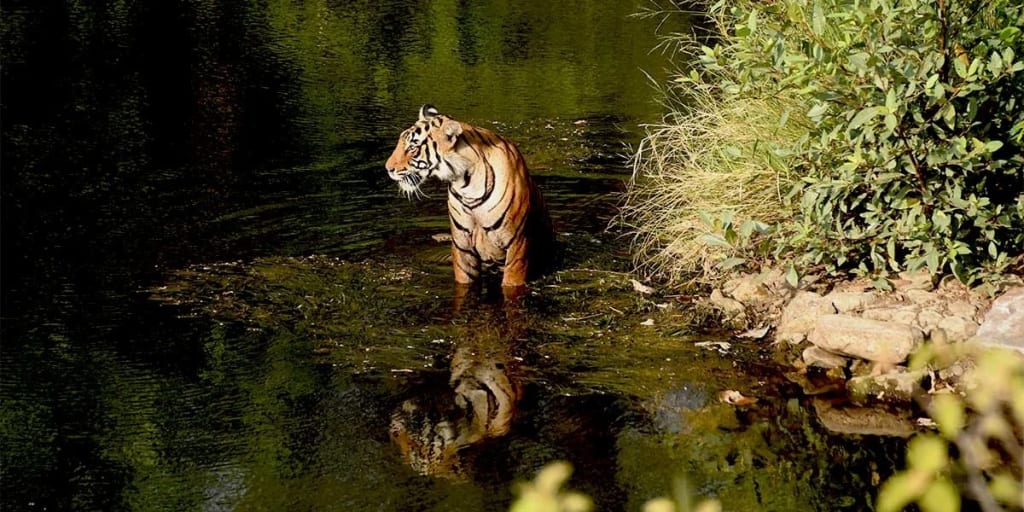
Tucked deep within the mist-draped folds of the Western Ghats lies a place where wild elephants roam freely, bamboo rafts drift silently across serene waters, and ancient tribal wisdom guides the rhythms of eco-tourism. This is Periyar Tiger Reserve, one of India’s most unique and soul-stirring wildlife destinations.
If you’ve dreamed of experiencing wildlife beyond the chaos of jeeps and crowds—Periyar is your answer.
A Living Eden in the Western Ghats
Located in the Indian state of Kerala, Periyar Tiger Reserve sprawls over 925 square kilometers, cutting across the districts of Idukki and Pathanamthitta. It’s a vital part of the Nilgiri Biosphere Reserve, one of the world's most biologically diverse ecosystems.
Unlike the dry deciduous forests of Central India’s more famous tiger parks, Periyar thrives in a lush, tropical rainforest setting. Dense foliage, cascading streams, and rolling hills make the reserve an ecological paradise—and a tranquil escape for travelers seeking both thrill and peace.
At the heart of it all is the Periyar Lake, formed by the Mullaperiyar Dam across the Periyar River. This manmade lake is more than a geographical centerpiece—it's the pulse of the reserve. Wildlife congregates along its banks, offering one-of-a-kind sightings during peaceful boat rides that wind through its emerald corridors.
Not Just About Tigers (But Yes, There Are Tigers!)
As the name suggests, Periyar is one of India’s Project Tiger reserves, a designation that places it under special protection. But unlike the more tiger-dense sanctuaries in Madhya Pradesh or Rajasthan, Periyar isn’t about ticking off “tiger sighting” on your travel checklist—it’s about immersing in biodiversity.
That said, tigers do live here—alongside:
Asian elephants, often seen bathing or grazing near the lake
Nilgiri langurs, endemic and charismatic
Gaur (Indian bison), the muscular giants of the forest
Sloth bears, sambar deer, leopards, and wild boars
The birdlife is equally compelling, with more than 260 recorded species, including the Malabar grey hornbill, Nilgiri wood pigeon, and crested serpent eagle.
Conservation with a Human Touch
What truly sets Periyar apart is its community-driven approach to conservation. Local tribes—especially the Mannan and Paliyan communities—have long called this forest home. Rather than being displaced, they’ve been integrated into eco-tourism and forest protection initiatives.
They now serve as forest guides, bamboo rafting instructors, and wildlife trackers—combining traditional knowledge with modern conservation science. When you explore Periyar, you’re not just visiting a park—you’re witnessing a model of inclusive, sustainable tourism that empowers indigenous communities.
Choose Your Adventure: Eco-Tourism the Periyar Way
Forget everything you know about wildlife safaris. Periyar flips the script.
There are no roaring jeeps disturbing the silence. Instead, you get:
Bamboo Rafting: Glide across Periyar Lake and surrounding waterways on handcrafted bamboo rafts. Quiet, low-impact, and led by trained local naturalists.
Nature Walks: Follow tribal guides through forest trails to learn about medicinal plants, animal tracks, and forest ecology.
Jungle Treks: Trek deep into the reserve with forest guards and get a ground-level view of this incredible landscape.
Boat Cruises: A favorite among families, these quiet cruises offer a chance to see wildlife along the lake’s edges, often at sunrise or sunset.
Each experience is regulated, respectful, and rooted in education rather than exploitation. That’s what makes Periyar different—and in many ways, better.
When to Visit Periyar
While Periyar is open year-round, the ideal time to visit is between October and March, when temperatures are cooler and the monsoon greenery is still vivid. Wildlife sightings are more frequent, and the forest is easier to traverse during treks.
For birdwatchers, the winter months also bring migratory species to the region, making it a feast for binoculars and camera lenses alike.
How to Get There
The nearest entry point to the reserve is Thekkady, a charming town that serves as a base for safari planning and eco-tourism activities.
By Air: The closest airports are Cochin International Airport (approx. 190 km) and Madurai Airport (approx. 140 km).
By Train: Kottayam is the nearest major railway station (about 110 km away).
By Road: Thekkady is well-connected by buses and taxis from major cities in Kerala and Tamil Nadu.
Once in Thekkady, all park-related bookings—like bamboo rafting or guided walks—can be made through the Periyar Tiger Reserve’s official eco-tourism center.
Why Periyar Belongs on Your India Safari Itinerary
India is blessed with many tiger reserves—but Periyar is truly one-of-a-kind.
It’s not just a park. It’s a living, breathing ecosystem where humans and wildlife coexist. A place where tourism funds conservation, where community empowerment is a daily practice, and where every step you take through the forest echoes with intention and respect.
If you’re planning a wildlife trip to India, don’t limit yourself to the usual suspects. Add Periyar to your list—and prepare to be moved.
To plan a responsible and immersive safari experience to Periyar and other tiger reserves in India, visit Tiger Safari Tours India. With a deep understanding of conservation-based tourism, they offer tailored journeys that connect travelers with nature—not just as observers, but as participants in its protection.
About the Creator
Keep reading
More stories from Talib Khan and writers in Families and other communities.
Where Comfort Meets Class: Discover BedChambers Serviced Apartments
In an age where travel is becoming more intentional—whether for work, wellness, or wandering—where you stay matters more than ever. Hotels can be impersonal. Rental homes can be inconsistent. But what if there was a middle ground? A space that offered the comforts of home with the convenience and polish of a hotel?
By Talib Khan8 months ago in Families
Wise~Guys
— Look Behind what's in Front of You ~ Make Good Choices — Hey, So how you Doin'..! Made~Men — Mobster Movies romanticise a distinctive, elegant appearance, impeccable attire style, along with the 'Families' expressive lingo. Making their 'Bones' gave them Panache — with vintage fedoras, tailored pin-striped suits, mirror-polished wing-tip shoes adorned with tassels; with their 'Gun Moll' gorgeous dates on their arms.
By Jay Kantor21 days ago in Families
What If I Am the Victim
There is a moment many of us reach after deep self-reflection. You ask yourself hard questions. You examine your behavior. You wonder if you are the problem. And after all that honesty, another thought quietly appears. What if I am actually the victim
By Eunice Kamau2 days ago in Families
Smart phones, Humans and Aliens.
WARNING. I will be tapping into one of your favorite creative tensions: The absurdity of humans worshipping their glowing rectangles as if they were tiny oracles. There’s something deliciously poetic about that contradiction, and it lends itself beautifully to an instructive proviso.
By Novel Allen5 days ago in Poets




Comments
There are no comments for this story
Be the first to respond and start the conversation.