
Family court is supposed to be a place where families can resolve their disputes and ensure the best interests of the children involved are met. However, too often, the family court system fails to live up to its intended purpose. Instead, it perpetuates injustices, resulting in significant harm to families, particularly children.
One of the primary issues within the family court system is the lack of accountability for judges and court personnel. In many cases, judges and court personnel exhibit clear bias, act unethically, and make decisions that defy logic and evidence. However, despite these actions, they remain immune from consequences for their behavior.
This lack of accountability often results in decisions that are not in the best interest of the children involved. The family court system is supposed to prioritize the well-being of children, yet, in many cases, this priority takes a backseat to other considerations, such as the financial interests of parents or the personal biases of the judge or court personnel.
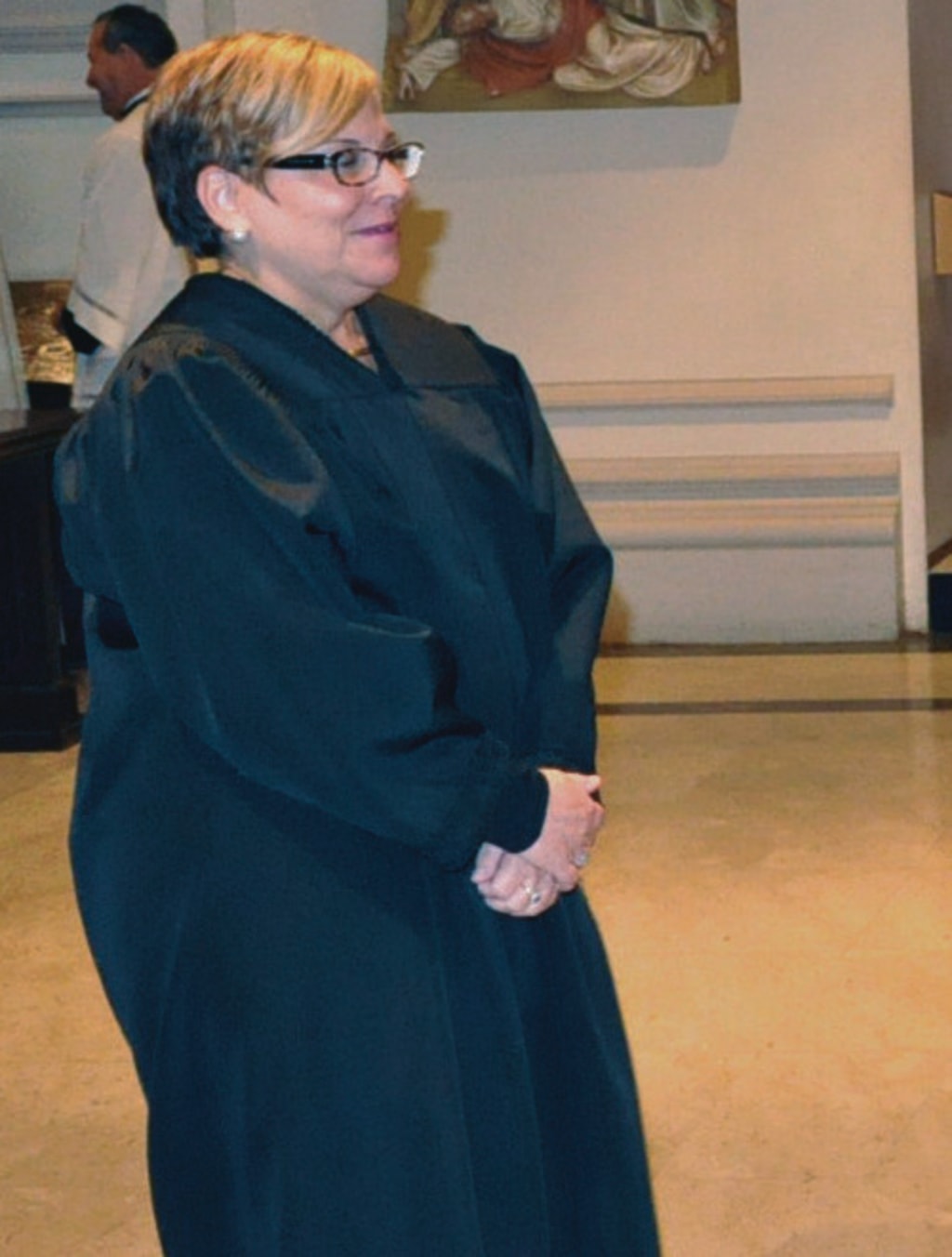
Brooklyn Supreme Court Judge Theresa Ciccotto has come under scrutiny for her conduct in a number of cases involving child custody and relocation. According to reports and appeals of her orders, Judge Ciccotto has exhibited misconduct, prejudice, fraud, violations, and unethical behavior in the discharge of her duties.
One of the most concerning aspects of Judge Ciccotto's conduct is her tendency to issue orders of relocation and modifications of child custody without following case law, due process, or holding hearings or trials. This has resulted in significant hardship for litigants and their families, with some being forced to uproot their lives and relocate without proper legal justification or adequate notice.
Moreover, Judge Ciccotto has been accused of committing prejudice, threatening, and bullying behavior towards litigants, attorneys, and other people who appear before her. This has created an atmosphere of fear and intimidation in her courtroom, and has eroded trust in the judicial system.
Some of the specific cases that have drawn attention to Judge Ciccotto's conduct include:
In one case, Judge Ciccotto issued an order relocating a child to Florida, despite the fact that the father had primary custody and the mother had previously agreed to remain in New York. The father's attorney filed an appeal, arguing that the order was made without proper justification and violated the child's best interests. The appeal was successful, with the order being overturned.
In another case, Judge Ciccotto issued an order modifying child custody arrangements without holding a hearing or following proper legal procedures. The father's attorney filed an appeal, arguing that the order was made without justification and violated the father's due process rights. The appeal was again successful, with the order being overturned.
In yet another case, Judge Ciccotto was accused of fraud and unethical behavior for issuing an order that conflicted with previous court orders and agreements. The attorney for the mother filed an appeal, arguing that Judge Ciccotto had not followed proper legal procedures and had demonstrated bias against the mother. The appeal was successful, with the order being overturned.
These cases illustrate the serious concerns that have been raised about Judge Ciccotto's conduct as a judge. Her actions have resulted in significant harm to litigants and their families, and have undermined the integrity of the judicial system. It is important that appropriate measures are taken to address these issues and ensure that justice is served in a fair and impartial manner.
About the Creator
Reader insights
Nice work
Very well written. Keep up the good work!
Top insight
Heartfelt and relatable
The story invoked strong personal emotions
Keep reading
More stories from George Malkowski and writers in Families and other communities.
From Burnout to Bliss
I used to be the poster child for workaholism. I was always the first one in the office and the last one to leave, and I prided myself on my ability to power through even the toughest of days. But as the months and years went by, I began to feel the toll that my intense work schedule was taking on my physical and mental health.
By George Malkowski3 years ago in Motivation
Choosing Between Divorce and Legal Separation in California
Ending a marriage or formalizing a separation can be one of the most challenging experiences a person will face in their lifetime. In California, many couples find themselves at a crossroads, unsure whether a permanent divorce or a legal separation is the best choice for their situation. The emotional toll of these decisions is often compounded by financial concerns, particularly the cost of hiring a lawyer, which can make the process feel overwhelming and even unattainable for some. Despite these difficulties, understanding the options available and how to navigate the legal system can help individuals make informed decisions that protect their interests and those of their children.
By The Complete Divorce4 days ago in Families
TUS NUA - ch 53
TUS NUA – ch 53 New Beginnings – Mia and Midnight (*)(*)(*) Finola knew Ali’s brother-in-law needed to put his mind at rest. She fed her arm through his and led him outside. “We’ll sit here. If you like, I can put a block around us so our conversation will be private.”
By Margaret Brennan6 days ago in Fiction




Comments