
Impact of Domestic Violence on Family Members
Domestic Violence

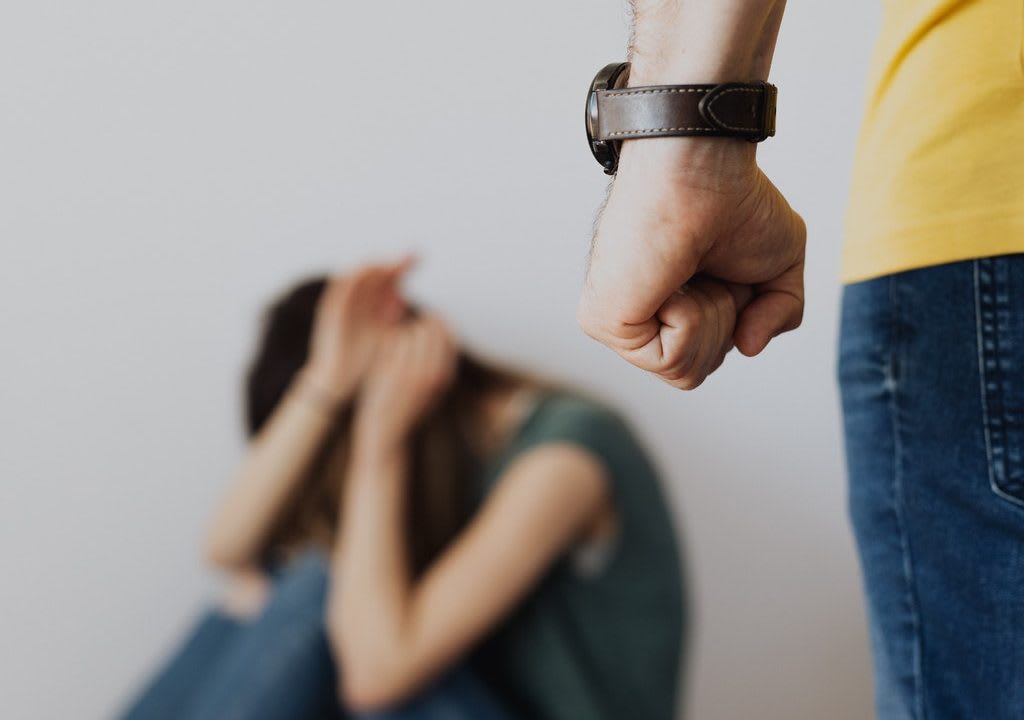
Domestic violence is a pervasive and deeply troubling issue that affects millions of families worldwide. It is a pattern of abusive behavior in an intimate relationship that can manifest in physical, emotional, psychological, or financial forms. While its direct victims suffer immeasurable harm, it is essential to recognize that domestic violence also has a profound impact on family members who witness or indirectly experience the abuse. In this essay, we will delve into the far-reaching consequences of domestic violence on family members, particularly children, and explore the significance of breaking the cycle to create a safer and healthier future for all.
Children growing up in households marred by domestic violence often endure a painful and traumatic existence. Witnessing violence between parents or caregivers can have severe and lasting effects on their emotional, cognitive, and behavioral development. These children may experience anxiety, depression, post-traumatic stress disorder (PTSD), and a diminished sense of self-worth. The toxic environment at home can negatively influence their academic performance and social interactions, potentially perpetuating the cycle of violence in their own future relationships.
Domestic violence does not solely affect the immediate family unit; its consequences extend to the extended family as well. Family members who are aware of the abuse may feel helpless, conflicted, or torn between loyalty to the victim and the abuser. They may struggle with feelings of guilt, anger, and frustration as they grapple with how to support their loved ones effectively. In some cases, the strain caused by domestic violence can lead to fractured relationships within the extended family, further isolating the victim and deepening the emotional wounds.
One of the most significant concerns surrounding domestic violence is the intergenerational transmission of violence. Research indicates that children who grow up in violent homes are more likely to perpetuate or become victims of domestic violence later in life. This transmission occurs through the modeling of unhealthy relationship dynamics and the internalization of aggressive behavior as a means of resolving conflicts. Breaking this cycle is crucial in preventing the perpetuation of violence across generations and creating a healthier society.
Family members who directly experience or witness domestic violence often suffer from profound trauma that can persist well into adulthood. The emotional scars left by domestic violence may result in difficulty forming healthy relationships, trust issues, and an increased susceptibility to mental health disorders. Healing from such trauma can be a lengthy and challenging process that requires professional support and a safe environment, free from violence.
Breaking free from the cycle of domestic violence is a courageous step, but it comes with its own set of challenges. Victims who decide to leave abusive relationships may face various barriers, including economic dependence on the abuser, fear of retaliation, and the emotional turmoil of leaving a once-loving partner. Moreover, seeking help from law enforcement or support organizations can be daunting, especially when abusers exert control through manipulation and intimidation.
Support systems play a crucial role in breaking the cycle of domestic violence. For family members seeking to support victims, it is essential to offer non-judgmental and compassionate assistance. Encouraging open communication and providing resources for counseling and legal protection can be instrumental in helping survivors escape from dangerous situations. Support groups and community organizations play an integral role in providing a safe space for victims to share their experiences, gain emotional support, and access vital resources.
Breaking the cycle of domestic violence requires a multifaceted approach that includes education and prevention efforts. Schools, community centers, and healthcare facilities must incorporate comprehensive awareness programs to help individuals recognize the signs of domestic violence and understand its consequences on family members. Early intervention can be critical in providing support and resources to victims before the cycle perpetuates further.
The impact of domestic violence on family members, particularly children, is profound and far-reaching. It creates a cycle of violence that can be perpetuated through generations, leaving emotional scars that may last a lifetime. Breaking this cycle is not only an individual responsibility but a societal imperative. By providing support systems, fostering awareness, and promoting prevention efforts, we can work towards creating a safer and healthier future for all. Empowering victims to seek help, holding abusers accountable, and providing children with nurturing and nonviolent environments are essential steps in breaking the cycle of domestic violence and building a society free from this harrowing scourge. Let us strive together to create a world where every family can thrive in love, respect, and safety.
About the Creator
Reynol Brennan
A small blogger who shares emotions, life, life insights, and short stories, and provides everyone with happiness, growth, and common sense of life.
Keep reading
More stories from Reynol Brennan and writers in Families and other communities.
The Impact of Parental Involvement on Children's Extracurricular Activities and Achievements
Extracurricular activities play a crucial role in a child's development, offering opportunities to explore interests, develop skills, and build character beyond the confines of traditional academic settings. Whether it's joining a sports team, participating in arts and music programs, or engaging in community service, extracurricular activities can significantly enrich a child's life. One factor that has been consistently shown to influence a child's participation and success in extracurricular pursuits is parental involvement. In this essay, we will delve into the various ways in which parental support and engagement impact children's extracurricular activities and achievements, and why it matters for their overall growth and development.
By Reynol Brennan2 years ago in Education
Wise~Guys
— Look Behind what's in Front of You ~ Make Good Choices — Hey, So how you Doin'..! Made~Men — Mobster Movies romanticise a distinctive, elegant appearance, impeccable attire style, along with the 'Families' expressive lingo. Making their 'Bones' gave them Panache — with vintage fedoras, tailored pin-striped suits, mirror-polished wing-tip shoes adorned with tassels; with their 'Gun Moll' gorgeous dates on their arms.
By Jay Kantor19 days ago in Families
Bettijo Hirschi
Introduction Bettijo Hirschi is a multi‑talented creative professional from the United States. She works as a designer, art director, photographer, writer, and event planner. Bettijo has built a long career in creative work and media. People know her for her artistic skills, her work in magazines and television, and her lifestyle blog. She is also known in recent news because of changes in her personal life.
By Farhan Sayed4 days ago in Families
How to Succeed at the Benson Directory®
Congratulations and welcome to the Benson Directory® employee #22391! As our newest call handler, you will have the privilege of speaking with dozens of unique and interesting people on a daily basis as well as the opportunity to earn bonuses for high performance. Contained within this handbook you will find a set of ease to follow instructions designed to help you settle in to your new role and begin paving the way to success.
By S. A. Crawford3 days ago in Fiction



Comments
There are no comments for this story
Be the first to respond and start the conversation.