
I Went on the Dark Web—and It Shook Me to My Core
Accessing the forbidden parts of the World Wide Web, only to realize the depravity of humanity

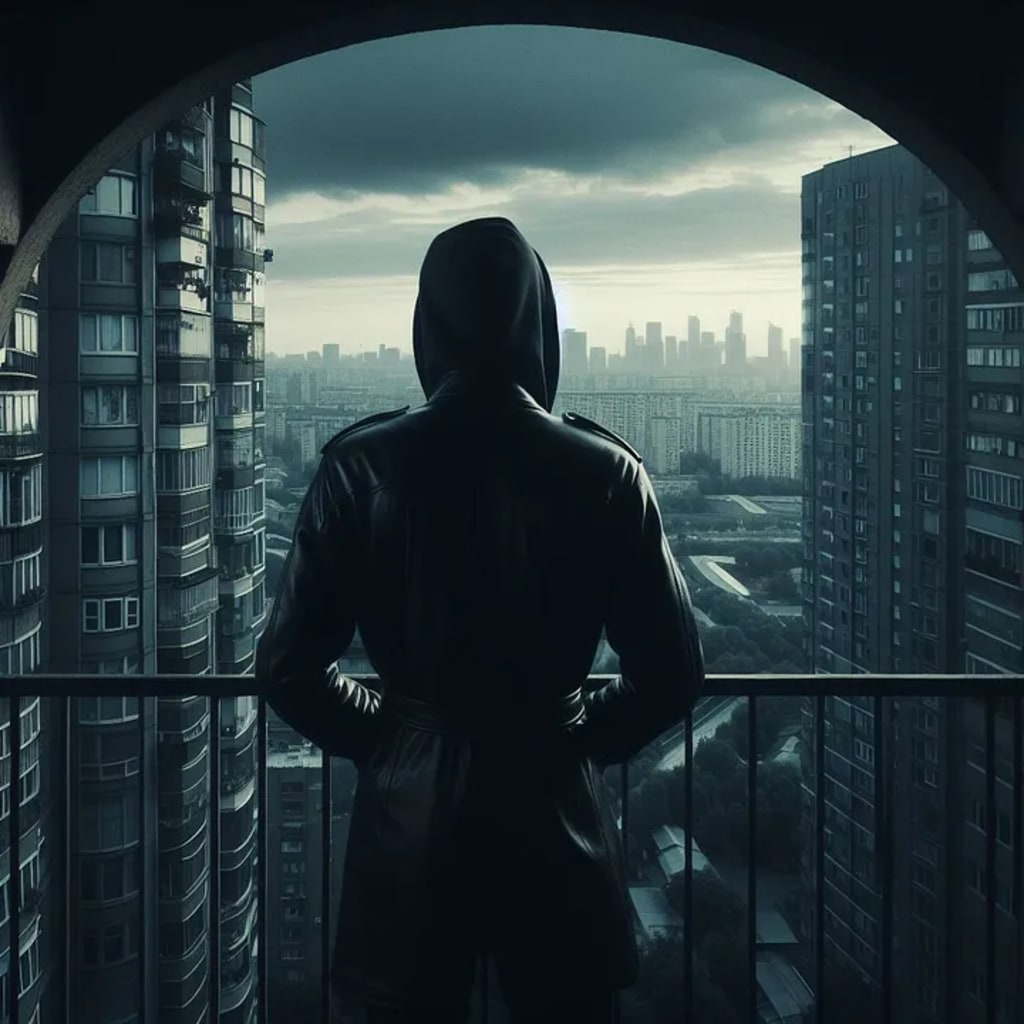
Lately, I’ve found myself teetering on the edge of curiosity and recklessness. I’ve done a few crazy things recently, but today? Today takes the crown. I willingly opened a digital door most people wouldn’t dare approach. I went on the Dark Web.
At first, it was supposed to be a one-time exploration—like visiting a haunted house knowing it’s all fake. But nothing about what I saw was fake. And it wasn’t just haunting. It was horrifying. By the end of it, I felt like I had wandered through a twisted version of the internet’s underworld, and trust me, the shadows there are deep.
Let’s Clear One Thing First: What Is the Dark Web?
You might have heard of the term thrown around in tech forums or whispered in conspiracy threads. But to understand the Dark Web, you first need to understand its parent: the Deep Web.
The Deep Web refers to all online content that isn’t indexed by standard search engines like Google or Bing. That includes your private emails, medical records, academic databases—basically anything behind a login wall or access restriction. It’s not illegal; it’s just... private.
But the Dark Web? That’s a much murkier ocean—one filled with cryptographic shadows, anonymous networks, and things that would make your skin crawl. It’s a small corner of the Deep Web, but it’s where legality often dies and lawlessness thrives. It's where encryption isn't just a privacy feature—it's a way of life.
How to Get There (Though I Strongly Don’t Recommend It)
Accessing the Dark Web isn’t as simple as typing a strange link in Chrome and pressing enter. No, it requires a tool known as Tor, short for The Onion Router. Created by the U.S. Naval Research Laboratory (yes, ironically, it was born from government tech), Tor uses layered encryption to route your connection through multiple anonymous servers, making you virtually untraceable.
You download the Tor browser. You connect. And suddenly, you're in a different world.
The URLs here don’t look like anything you’re used to. Instead of clean names like example.com, you get jumbles like d5s6u3g2bwl54a2e.onion. Many links die fast. Others lead you into rabbit holes that you may regret entering.
What Lives There? You Might Regret Knowing
There are three kinds of people on the Dark Web:
- The Curious — like I was (at first).
- The Desperate — whistleblowers, political dissidents, journalists, spies.
- The Depraved — cybercriminals, predators, and people doing things I won’t fully describe here.
Here’s just a glimpse of what I stumbled upon:
- Marketplaces for stolen PayPal accounts, credit cards, and personal data.
- “Services” for hiring hackers, DDoS attackers, and even hitmen.
- Forums trading in forged passports, fake IDs, and counterfeit cash.
- Red Rooms, which allegedly offer real-time streams of violent acts—for a price, of course.
- And worse… content involving abuse that’s so sickening, it made me want to erase my entire internet history—and my memory with it.
Let me be clear: this is not the dramatic invention of a movie script. These listings exist. I saw them. I wish I hadn’t.
But It’s Not All Pure Evil… Right?
To be fair, the Dark Web isn’t entirely evil. Some journalists use it to communicate safely. Whistleblowers like Edward Snowden used Tor to leak information that changed how the world sees surveillance. Media outlets like The New York Times and The Guardian even have their own mirror sites on the Dark Web to allow readers to browse anonymously in authoritarian countries.
But those are the minority. For every page shedding light, there are a hundred peddling darkness.
How People Stay Anonymous
If you're thinking, “Surely law enforcement must be watching,” well... yes and no.
Anonymity on the Dark Web is built into its architecture. Beyond Tor, some users take their privacy a step further with VPNs, or even Tails OS, a live operating system that leaves zero trace behind when shut down.
The currency? Cryptocurrency, of course—primarily Bitcoin, Monero, and Ethereum. These transactions are nearly untraceable and irreversible, making them the perfect choice for sketchy dealings.
The Ethical Quicksand
Here’s where it gets philosophical. Is anonymity inherently bad? No. Privacy is a right. It's the shield behind which many noble causes operate. Whistleblowers, abused individuals, and people under authoritarian regimes need it to survive.
But that same shield can be used by predators to hide crimes so vile they seem inhuman. And that’s what disturbs me most—how something built for protection can morph into a vehicle for exploitation.
The Question No One Wants to Answer: Is It Legal?
The Dark Web itself isn’t illegal. You can legally use Tor, visit anonymous forums, and read content that’s inaccessible on the surface web. But the moment you engage in illegal activity—buying stolen data, viewing abuse, hiring hackers—you've crossed a line into criminal territory.
Many governments have cyber units that monitor parts of the Dark Web. Arrests have been made. Massive takedowns have happened—remember Silk Road? But like a hydra, for every head you cut off, two more seem to sprout.
My Takeaway: Curiosity Can Be Dangerous
By the time I closed the Tor browser, my stomach felt like it was filled with lead. I hadn’t bought anything. I hadn’t clicked any illegal links. But the mere act of seeing what was there left a mark.
It wasn’t just disturbing—it was heartbreaking. This is what some corners of humanity have become. A digital wasteland of cruelty, exploitation, and shadowy profits.
And the worst part? Most of the world has no idea.
Final Thoughts: Stay Curious, But Stay Smart
If you’ve ever been tempted to explore the Dark Web, ask yourself why. Is it for knowledge? Fine. But understand this: it’s not a theme park—it’s a minefield.
What you see there cannot be unseen.
Knowledge is power—but in this case, ignorance may be mercy.
About the Creator
sondos azhari
Passionate about health and beauty products, I delve into wellness practices and skincare routines. With a focus on holistic living.My aim is to empower others to prioritize self-care and make informed choices for their well-being.
Keep reading
More stories from sondos azhari and writers in Families and other communities.
After 40, These Daily Habits Are Secretly Speeding Up Your Aging — Here's How to Stop Them
Ever wonder if your morning routine is quietly adding years to your face — and subtracting energy from your day? What you do within the first hour after waking up can significantly influence how quickly you age — or how gracefully you avoid it. You know the feeling: You wake up groggy, even after a full night’s sleep. You stumble out of bed, reach for coffee, scroll your phone, and somehow survive the day on autopilot. But here’s the truth — some of your morning habits might be accelerating aging, draining your energy, dulling your skin, and increasing brain fog. Let’s flip that script. When you get your morning right, everything changes: clearer focus, radiant skin, stable energy — and no need for a complicated 12-step wellness routine. Here’s how to identify the five biggest mistakes and fix them — so your mornings start working for you, not against you.
By sondos azhari11 months ago in Families
The Shadow in the Screen: Why Your Child’s Identity is the New Gold for AI Hackers
I remember the first time I saw it. A photo of my niece, the one I had taken at her fifth birthday party, appearing on a profile that didn’t belong to anyone in our family. The name was different. The location was halfway across the world. But the smile was unmistakably hers.
By Alex Sterling 7 days ago in Families




Comments
There are no comments for this story
Be the first to respond and start the conversation.