
How Your Pet Dog Gets to Know Your Kids- Amazing Tips
Building a Safe and Loving Bond Between Kids and Their Canine Friend

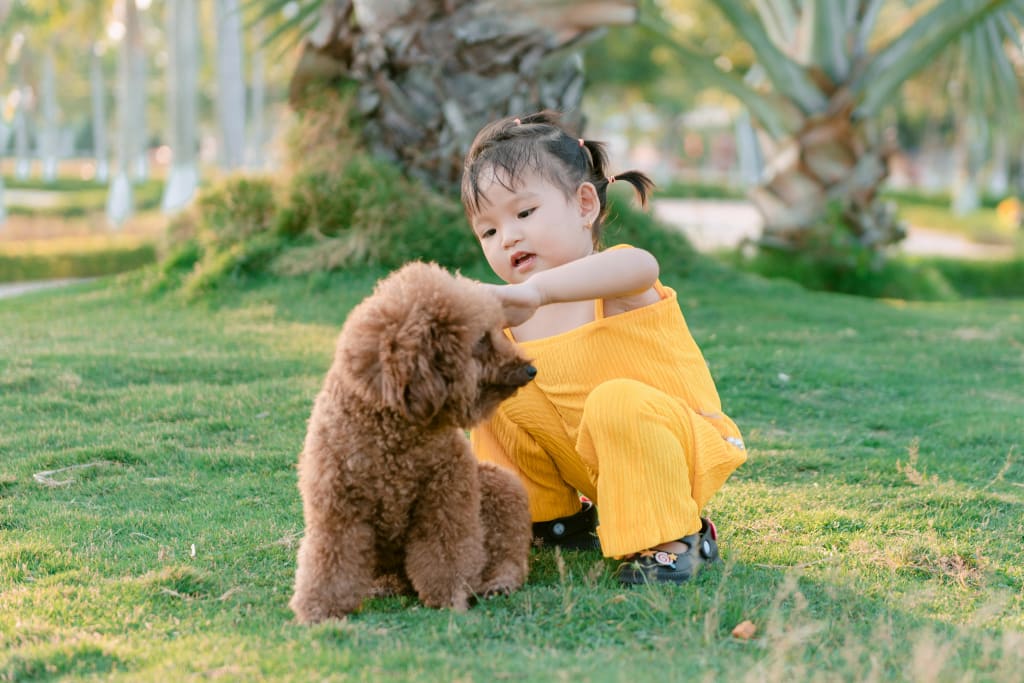
There’s something magical about the bond between kids and the family dog. A wagging tail, a wet nose against a small hand, and a patient, loyal nature all make a dog one of the best companions a child can have. But while some dogs love children instantly, others may need time and gentle guidance to adjust. As parents or guardians, it’s our responsibility to help our dog get used to children and create an environment where both are safe and happy.
When a new dog comes into the home, kids are often the most excited. They want to hug, kiss, and play with the dog from the very first moment. However, for a dog, especially one that’s used to a calm adult environment, the loud noises and rapid movements of children can be overwhelming.
The first step in helping your pet dog get used to your children is to introduce them slowly. Don’t let your children rush the dog or pull its fur. Instead, have them sit quietly near the dog while offering a treat with an open hand. Give the dog space to sniff, look, and decide to approach on its own. This slow, respectful approach helps build trust.
Next, teach your children to respect the dog’s boundaries. Even the sweetest dog has moments when it doesn’t want to play — for example, when eating or resting. Children should learn not to disturb the dog in its bed or near its food bowl. Explain to them that a dog, just like a person, needs time alone.
Dogs are very sensitive to voice and body language. Encourage your children to use a calm, gentle voice when talking to your dog. Running and yelling can excite or frighten a dog, making it difficult for them to relax. Acting calmly around the dog will help your pet feel safe.
Supervision is important. Never leave small children alone with a dog, even if you completely trust the animal. Children can accidentally hurt the dog by nudging, pulling, or stepping on its tail, and the dog may become defensive. A vigilant adult can intervene quickly to prevent any misunderstandings for both the child and the dog.
To help the dog see children as fun companions, involve your children in feeding routines or simple training. Let them fill the water bowl, measure out kibble, or even give basic commands like “sit” or “stay.” This involvement helps the dog associate children with positive, rewarding activities.
Another great tip is to play structured games with both kids and dogs together. Games like fetch, hide and seek (with treats), or gentle tug-of-war create teamwork and shared fun. This strengthens their bond and helps the dog learn that kids can be reliable playmates.
Remember, routine is comforting for both dogs and children. Feed your dog at the same time every day, walk together as a family, and establish predictable patterns. This consistency helps the dog feel secure and confident, which reduces stress that might otherwise manifest as fearful or aggressive behavior.
Some dogs, especially rescues with a difficult past, need more time to adjust to children. Be patient. It can take weeks or even months for them to fully trust and relax around noisy children. Let your children know that it is normal for the dog to take their time. In return, your children can feel proud of helping the dog feel safe and loved.
When you teach your children to respect the dog, don't forget to train the dog to respect children. If your dog jumps up or is mouthy, practice commands like "off," "leave it," and "gentle." Reinforce positive behavior with praise and treats. Five-minute training sessions a day can make a big difference in helping your dog interact politely with smaller humans.
Some families have allergies or hygiene concerns. Show your children how to wash their hands after playing with the dog, and keep the dog’s bed clean. Brush your dog regularly to reduce shedding, and trim his nails to prevent scratches during playtime. These simple habits go a long way toward a safe, healthy home.
One of the best outcomes of raising children with a dog is the incredible lessons it teaches them: kindness, patience, empathy, and responsibility. Children who help care for a dog learn to think about the needs of another living being, and the dog learns to trust them in return.
If your children are old enough, encourage them to read about dog behavior. There are great books for kids that explain why dogs bark, wag their tails, or roll over. This knowledge gives kids the tools to better understand their furry friend.
Ultimately, building a bond between your dog and your children takes a combination of patience, education, and love. Your dog, once familiar and safe with children, will reward the family with loyalty and affection that is impossible to measure. Those shared moments — that laughter when the dog licks ice cream off a child’s nose, or peaceful naps side by side on the couch — will become memories your children will cherish for a lifetime.
So, take it slow, guide both your children and your dog.
About the Creator
Echoes of Life
I’m a storyteller and lifelong learner who writes about history, human experiences, animals, and motivational lessons that spark change. Through true stories, thoughtful advice, and reflections on life.
Keep reading
More stories from Echoes of Life and writers in Families and other communities.
My Dog After the Rain
The rain had been falling all night, drumming steadily against the old tin roof of our little house. It was a familiar sound, soothing and comforting, but this time I was worried about my dog Max. At just six months old, he was a bright, mischievous golden retriever, still learning about the world. Max hated baths, so I could only imagine how much he might suddenly hate the rain.
By Echoes of Life7 months ago in Families
Wise~Guys
— Look Behind what's in Front of You ~ Make Good Choices — Hey, So how you Doin'..! Made~Men — Mobster Movies romanticise a distinctive, elegant appearance, impeccable attire style, along with the 'Families' expressive lingo. Making their 'Bones' gave them Panache — with vintage fedoras, tailored pin-striped suits, mirror-polished wing-tip shoes adorned with tassels; with their 'Gun Moll' gorgeous dates on their arms.
By Jay Kantor18 days ago in Families



Comments
There are no comments for this story
Be the first to respond and start the conversation.