
How Weight-Loss Injections Are Making Obesity a Privilege for the Rich
Explore how Mounjaro for weight loss and similar injections are widening the gap between the rich and poor.

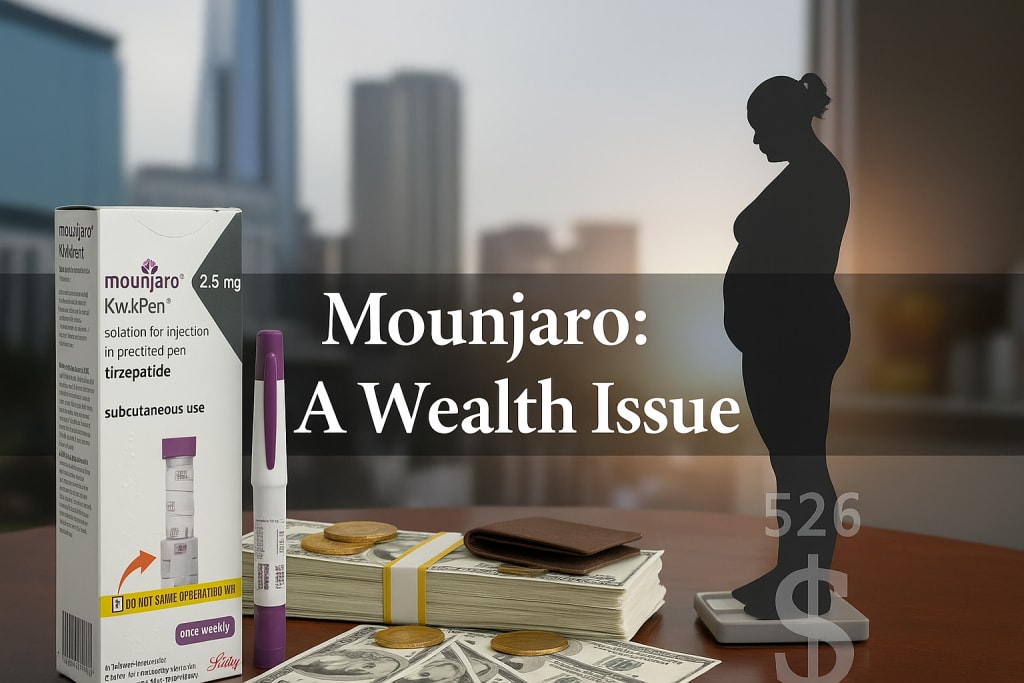
Thinness and the Price of Health
It used to be that people showed off their wealth with luxury cars, designer clothes, or vacations in the Maldives. Now, a new symbol of status is emerging: being thin. Drugs like Mounjaro for weight loss have made shedding pounds faster and more predictable but also expensive enough to divide people by income.
These injections can change lives, no question. But when something that helps people live healthier is only affordable for a small group, it becomes more than a health story it becomes a social one.
What These Injections Actually Do
Before talking about the divide, it helps to understand how these injections work. Mounjaro for weight loss and similar drugs copy hormones your body naturally makes to control appetite and blood sugar. You feel full sooner, eat less, and lose weight steadily.
These drugs were first made for diabetes but quickly gained fame for their weight-loss side effects. Some users lose up to 15 or even 20 percent of their body weight. For many, that’s life-changing. But there’s a big problem: the price.
Why the Cost Locks People Out
These medications aren’t cheap. Depending on your insurance and dosage, Mounjaro for weight loss can cost anywhere from several hundred to over a thousand dollars a month. That’s not a one-time cost it’s ongoing. Once you stop taking it, most of the weight tends to come back.
That means long-term users are essentially committing to a lifetime subscription to staying thin. And in a world where healthcare already tilts toward the wealthy, that’s another way money buys health.
When Health Becomes a Luxury
In many countries, especially the U.S., health is already tied to wealth. If you can afford better food, safer neighborhoods, and regular doctor visits, you’re already at an advantage. Weight-loss injections make that gap even wider.
People who can afford them aren’t just losing weight; they’re lowering their risk of diabetes, heart disease, and other chronic conditions. Meanwhile, lower-income communities are still battling limited access to fresh food, preventive care, and safe spaces to exercise.
The Social Divide You Can See
Thinness has always been associated with self-control, discipline, and success. When only the wealthy can afford to lose weight with modern medicine, those stereotypes get reinforced. The poor look lazy. The rich look “fit.”
That’s not a small issue it shapes how people are treated at work, in dating, and even in healthcare. The result is an invisible but powerful social divide, one that’s increasingly visible in people’s bodies.
How Celebrities and Influencers Made It Trendy
You can thank social media for making weight-loss injections a cultural phenomenon. Celebrities, influencers, and even some executives have shared their experiences, often with dramatic before-and-after photos. That drives huge demand among regular people who don’t realize how expensive these drugs are to maintain.
It’s easy to think everyone’s suddenly more disciplined, but the truth is that many of these transformations come with access to private doctors and personal trainers. What’s being sold as willpower is often just wealth.
Should Weight-Loss Be a Marketed Lifestyle Choice?
This question is tricky. On one hand, drugs like Mounjaro for Weight Loss genuinely help people manage obesity, which is a serious medical condition. But when companies market these treatments as lifestyle upgrades, it turns health into a product.
Should something that helps prevent heart disease and diabetes be treated like a luxury brand? Or should access be based on medical need, not income? Right now, the system leans toward the former.
A Global Picture of Health Inequality
In wealthier countries, obesity rates among higher-income groups are starting to drop. Meanwhile, they’re still climbing in lower-income groups and developing nations. That gap reflects more than personal choices it’s access.
Someone in United Kingdom can get wegovy for Weight Loss with a few doctor visits and a good insurance plan. Someone in a low-income country might never see the drug on a pharmacy shelf. When health innovation moves faster for the rich, the global health gap keeps growing.
The Emotional and Social Weight of Inequality
There’s also an emotional toll. When being slim becomes a marker of wealth, people who can’t afford treatment may feel shame or failure. It reinforces harmful ideas that weight is a moral issue instead of a medical and social one.
That pressure affects everything from mental health to job opportunities. The message is subtle but constant: if you’re not thin, you’re not trying hard enough even when the real issue is cost.
What Needs to Change
Fixing this starts with access. Governments and healthcare systems could subsidize weight-loss drugs for those with obesity-related conditions. Insurance companies should treat them like any other medically necessary treatment.
But there’s also a cultural shift needed. We have to stop treating thinness as proof of success and start focusing on equitable health. Everyone deserves the same chance to live without the burden of obesity, not just those who can pay for it.
The Future of Weight and Wealth
As more weight-loss drugs hit the market, prices might eventually drop. But until that happens, being able to afford these treatments will remain a privilege. Science has made it easier than ever to lose weight but it hasn’t made it fair.
The challenge now is making sure health doesn’t stay behind a paywall. Because the real measure of progress isn’t how fast we can lose weight; it’s how equally everyone can access the tools to stay healthy.
Frequently Asked Questions
1. What is Mounjaro for Weight Loss?
Mounjaro for Weight Loss is a prescription medication originally developed for type 2 diabetes. It works by mimicking hormones that regulate appetite and blood sugar. Many people use it off-label to lose weight under medical supervision.
2. How much does Mounjaro for Weight Loss cost?
The cost can vary widely depending on your insurance and dosage. On average, it ranges from $800 to $1,200 per month without coverage. This high price is one reason why access is often limited to those with higher incomes.
3. Are weight-loss injections safe?
When used under a doctor’s guidance, weight-loss injections like Mounjaro can be safe and effective. However, they can cause side effects such as nausea, fatigue, or digestive discomfort. It’s important to consult a healthcare provider before starting treatment.
4. Why are weight-loss injections seen as a privilege?
Because of their high cost and limited availability, these injections are more accessible to wealthier individuals. This creates a situation where people with higher incomes can manage obesity more easily than those who can’t afford the treatment.
5. Can weight-loss injections replace diet and exercise?
No. They’re designed to complement a healthy lifestyle, not replace it. For long-term success, users need to maintain balanced eating habits and regular physical activity, even while using Mounjaro for Weight Loss or similar medications.
6. Will prices for these injections go down in the future?
Possibly. As more competitors enter the market and patents expire, prices may drop. However, for now, these drugs remain expensive and out of reach for many people.
7. How can access to weight-loss injections become more equitable?
Broader insurance coverage, government subsidies, and global health initiatives could make these treatments more accessible. Advocacy and awareness also play a key role in pushing for fairer healthcare systems.
Read More: Emportia
About the Creator
Alex
I've built my career around people-focused roles in the software industry, where clear communication, hands-on support, and quality assurance are always top priorities.
Christmas Abroad: Celebrating the Holidays Without Family
I moved to South Korea in 2017. I was twenty-two years old and excited to start my career as an English Second Language Teacher. With a Bachelor's degree and six hundred dollars in my bank account, I set off for Busan.
By Kera Hollow27 days ago in Families
A Heartfelt Family Gathering: Celebrating Dad’s Birthday with Those Who Truly Matter
Celebrations come in many forms — some grand and elaborate, others quiet and deeply meaningful. For Dad’s birthday this year, we chose the latter: a heartfelt family gathering filled with love, memories, and the simple joy of being together. It wasn’t a huge affair like some big birthday parties you see on social media. Instead, it was a celebration rooted in connection — a true family gathering that reminded us what matters mostMost of Dad’s coworkers couldn’t attend. Many of them live overseas or in different states, so they had planned their own smaller gatherings for him in their local areas. This was their way of honoring a loved one from afar, sending birthday wishes and thoughtful messages from miles away. Another bittersweet reality we faced was that so many of Dad’s older relatives and cherished family members could only participate in spirit — attending the celebration in our hearts rather than in person. It’s always a little sad to acknowledge that some loved ones are now celebrating with us from Heaven, watching over us instead of singing “Happy Birthday” beside us.
By Yassine Loufti4 days ago in Families
Center Stage with Gina C.
*** I'm keen to republish the interviews I did for my series with Vocal creators. It's been a few years and I thought it might be nice to revisit these wonderful conversations. I'll be releasing them one at a time for a few weeks/months.
By Heather Hubler4 days ago in Interview



Comments
There are no comments for this story
Be the first to respond and start the conversation.