
How to Use a Yoga Strap: A Complete Guide for Beginners
Yoga Flexibility Stretch Band of Leg Fascia Stretcher Strap
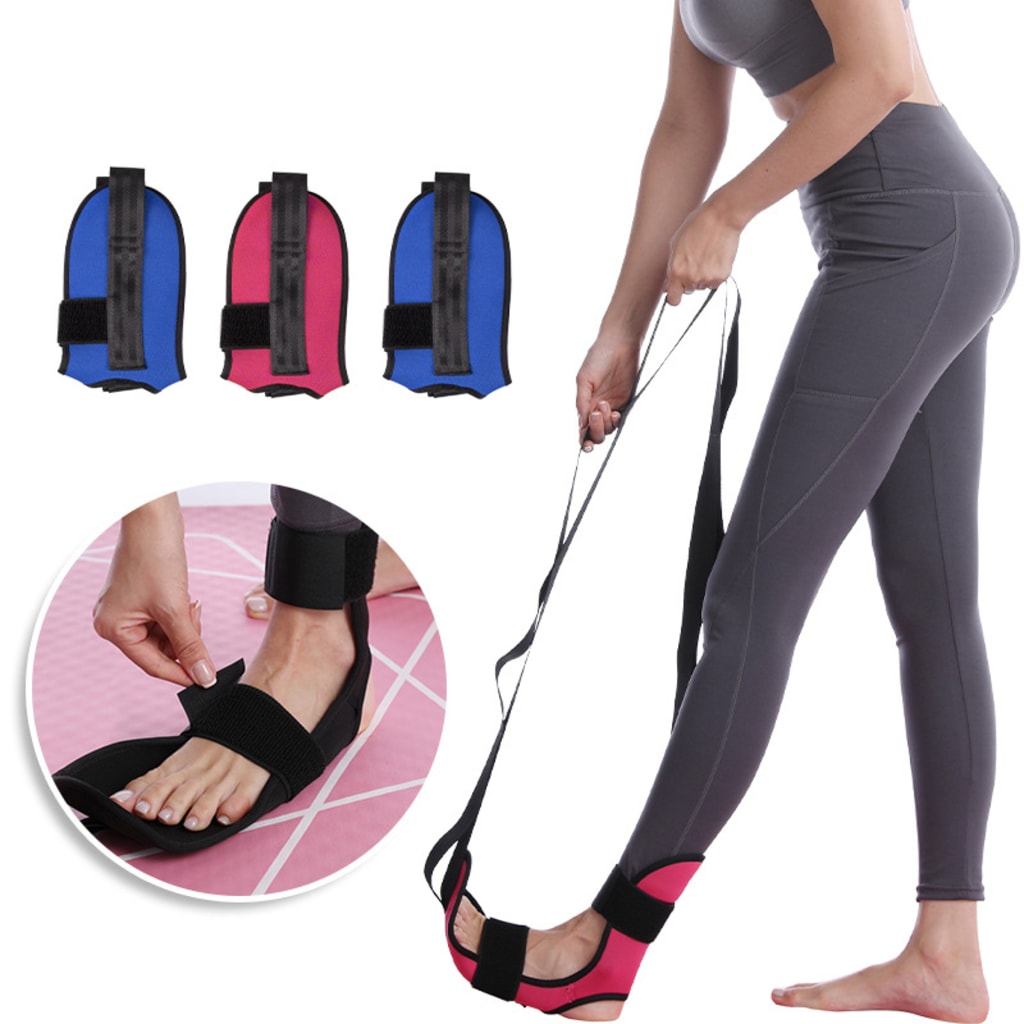
Yoga is a wonderful practice that can increase flexibility, strength, balance, and mindfulness. Whether you are just beginning your yoga journey or looking to deepen your practice, props like a yoga strap can be invaluable tools. Yoga straps are simple yet highly effective for enhancing stretches, improving alignment, and helping yogis of all levels work toward more advanced postures. In this complete guide, we’ll explore how beginners can benefit from using a yoga strap, how to use it correctly, and key exercises to try.
What is a Yoga Strap?
A yoga strap is a long piece of fabric, typically made of cotton or nylon, with a buckle at one end. These straps come in different lengths, usually ranging from 6 to 10 feet. Yoga straps are designed to assist in stretching and to help you maintain proper alignment during poses that might otherwise be difficult or out of reach. Using a yoga strap allows you to gently ease into positions while preventing strain or injury.
Many beginners assume that yoga straps are only for those who lack flexibility, but even advanced practitioners use them to deepen their stretches and maintain alignment. Straps help you stay mindful and ensure that you are stretching safely without forcing your body into positions it isn’t ready for.
Benefits of Using a Yoga Strap for Beginners
Before diving into specific poses, let’s review some of the benefits of using a yoga strap, especially for beginners:
Improved Flexibility: A yoga strap allows you to reach areas of the body that might be difficult to access otherwise. It extends your reach, making it easier to stretch your hamstrings, shoulders, or back in a controlled way.
Enhanced Alignment: A common issue for beginners is poor alignment due to lack of experience or flexibility. A yoga strap helps guide your limbs into proper alignment so that you’re engaging the correct muscles without overstraining.
Safe Stretching: For beginners, it’s easy to overextend in yoga poses, especially when working on flexibility. A strap ensures you can stretch deeply without pushing your body beyond its current limits, reducing the risk of injury.
Increased Range of Motion: By gently pulling on a strap, you can explore and increase your body’s natural range of motion over time, making poses more accessible as your practice progresses.
Support for Advanced Poses: Even if you're a beginner, a yoga strap can help you work toward more challenging poses like binds or balances. It acts as an intermediary step, helping you gradually build strength and flexibility until you're able to achieve the full posture.
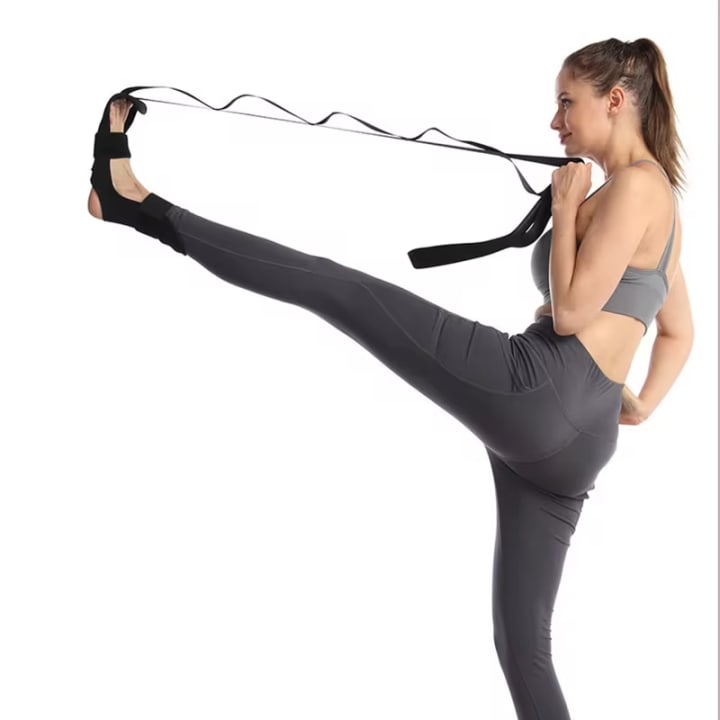
How to Choose the Right Yoga Strap
If you’re new to yoga, selecting the right yoga strap can feel confusing. Here are some tips on what to look for:
Length: For beginners, a 6- or 8-foot yoga strap is usually sufficient. If you’re tall or working on poses that require more length, such as bound poses, consider a 10-foot strap.
Material: Most yoga straps are made from durable cotton, but you can also find nylon options. Cotton straps tend to be softer and more comfortable to grip.
Buckle Type: Straps usually come with a D-ring or plastic buckle, which allows you to adjust the length and create loops. For most beginners, a simple D-ring buckle is more than enough for a variety of poses.
Beginner-Friendly Yoga Strap Exercises
Now that you understand the basics of a yoga strap, let’s dive into some beginner-friendly exercises. These poses will help you develop flexibility, improve alignment, and build confidence in your practice.
1. Seated Forward Bend (Paschimottanasana)
The seated forward bend is a great pose for stretching your hamstrings, lower back, and spine. Many beginners find it difficult to reach their feet in this pose, making it perfect for incorporating a yoga strap.
How to do it:
Sit on the floor with your legs extended straight in front of you.
Loop the yoga strap around the balls of your feet and hold onto the ends of the strap with both hands.
Inhale and lengthen your spine, sitting up tall.
As you exhale, gently pull on the strap and fold forward from your hips. Keep your spine straight and avoid rounding your back.
Hold for 5-10 breaths, gradually deepening the stretch by pulling the strap gently toward you.
2. Reclining Hand-to-Big-Toe Pose (Supta Padangusthasana)
This is a fantastic pose for stretching the hamstrings and lower back while lying down, making it easier for beginners to relax into the stretch.
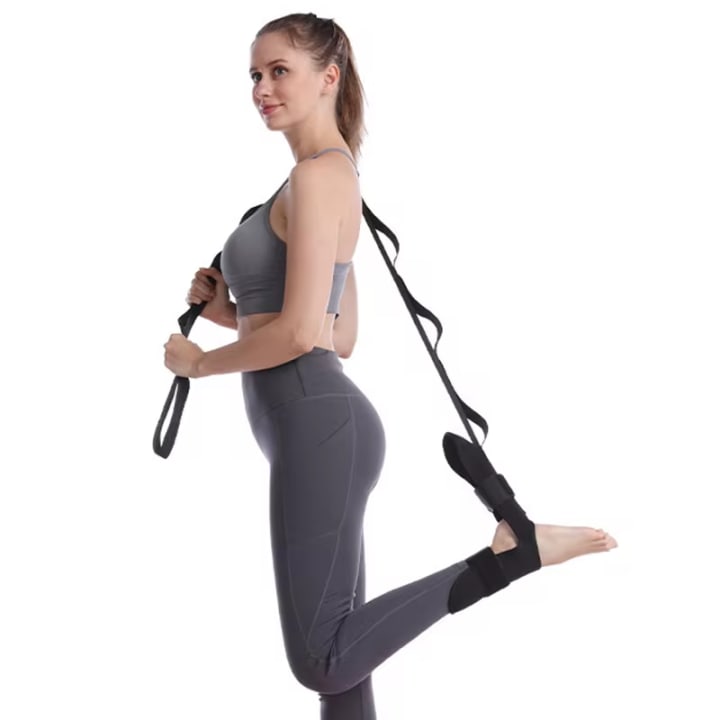
How to do it:
Lie on your back with both legs extended.
Loop the strap around the ball of your right foot and hold the strap with both hands.
As you inhale, extend your right leg toward the ceiling while keeping your left leg grounded on the floor.
Use the strap to guide your right leg higher without straining, and keep both shoulders relaxed.
Hold for 5-10 breaths before switching legs.
3. Cow Face Pose (Gomukhasana) Arms
Cow Face Pose is known for stretching the shoulders, chest, and upper back. Many beginners struggle with the arm portion of the pose, where you clasp your hands behind your back. A yoga strap can bridge the gap until you gain more flexibility.
How to do it:
Sit comfortably in a cross-legged position.
Hold the yoga strap in your right hand and raise your right arm overhead.
Bend your right elbow and allow the strap to hang down behind your back.
Reach your left arm behind you and grab the other end of the strap.
Use the strap to gently pull your hands closer together, keeping your spine tall.
Hold for 5-10 breaths and switch sides.
4. Extended Hand-to-Big-Toe Pose (Utthita Hasta Padangusthasana)
This standing balance pose stretches the hamstrings and improves stability. For beginners, using a strap can help with maintaining balance and achieving the correct alignment.
How to do it:
Stand tall with your feet hip-width apart.
Loop the strap around the ball of your right foot and hold the strap with your right hand.
As you inhale, lift your right leg and extend it in front of you while keeping your left leg strong and grounded.
Use the strap to guide your leg higher without losing balance.
Hold for 5-8 breaths before switching sides.
5. Bound Angle Pose (Baddha Konasana)
Bound Angle Pose is excellent for opening the hips and stretching the inner thighs. If you find it difficult to sit upright in this pose, a yoga strap can help support your posture.
How to do it:
Sit on the floor and bring the soles of your feet together, allowing your knees to fall open.
Loop the strap around your lower back and then over the tops of your feet, forming a supportive loop.
Use the strap to gently pull your torso forward, maintaining a long spine as you fold over your legs.
Hold for 5-10 breaths, deepening the stretch with each exhale.
Common Mistakes to Avoid
While yoga straps are simple to use, beginners should be mindful of the following common mistakes:
Over-reliance on the strap: While the strap is a useful tool, it’s important to remember that it’s meant to support—not replace—your practice. Use it to assist in poses, but don’t become too dependent on it.
Improper alignment: It’s easy to lose alignment when using a strap, especially if you’re pulling too hard. Always prioritize proper form over depth of stretch. Your goal should be to feel a gentle, safe stretch, not to force your body into a deeper pose.
Holding tension: Avoid tensing your muscles when using a strap. Stay relaxed and mindful in each pose. If you notice yourself straining, ease off the pressure.

Conclusion
A yoga strap is an incredibly versatile and valuable prop, especially for beginners looking to enhance their flexibility, improve alignment, and safely explore more challenging poses. By incorporating a yoga strap into your practice, you can approach each stretch with mindfulness and precision, preventing injury and allowing your body to gradually adapt to the demands of the practice. Whether you're working on seated stretches, balance poses, or shoulder openers, the yoga strap will help guide you toward greater ease and comfort on your mat.
So, next time you roll out your mat, grab a yoga strap and experiment with these beginner-friendly exercises. With regular practice, you'll notice increased flexibility, improved posture, and a deeper connection to your body. Yoga is a journey, and the strap is just one of many tools to help you along the way.
About the Creator
Keep reading
More stories from writers in Families and other communities.
Wise~Guys
— Look Behind what's in Front of You ~ Make Good Choices — Hey, So how you Doin'..! Made~Men — Mobster Movies romanticise a distinctive, elegant appearance, impeccable attire style, along with the 'Families' expressive lingo. Making their 'Bones' gave them Panache — with vintage fedoras, tailored pin-striped suits, mirror-polished wing-tip shoes adorned with tassels; with their 'Gun Moll' gorgeous dates on their arms.
By Jay Kantor27 days ago in Families
One Hard Thing
Stop me if you’ve heard this one before: You have the number, you know your schedule- you’ve even picked out the perfect day and time to make this appointment. Shoot, you’ve even picked out alternative days and times just in case their schedules can’t accommodate you!
By Taylor Rigsby2 days ago in Motivation




Comments
There are no comments for this story
Be the first to respond and start the conversation.