
How to Teach a Child Healthy Eating Habits
Simple, Practical Ways to Raise Confident and Mindful Eaters

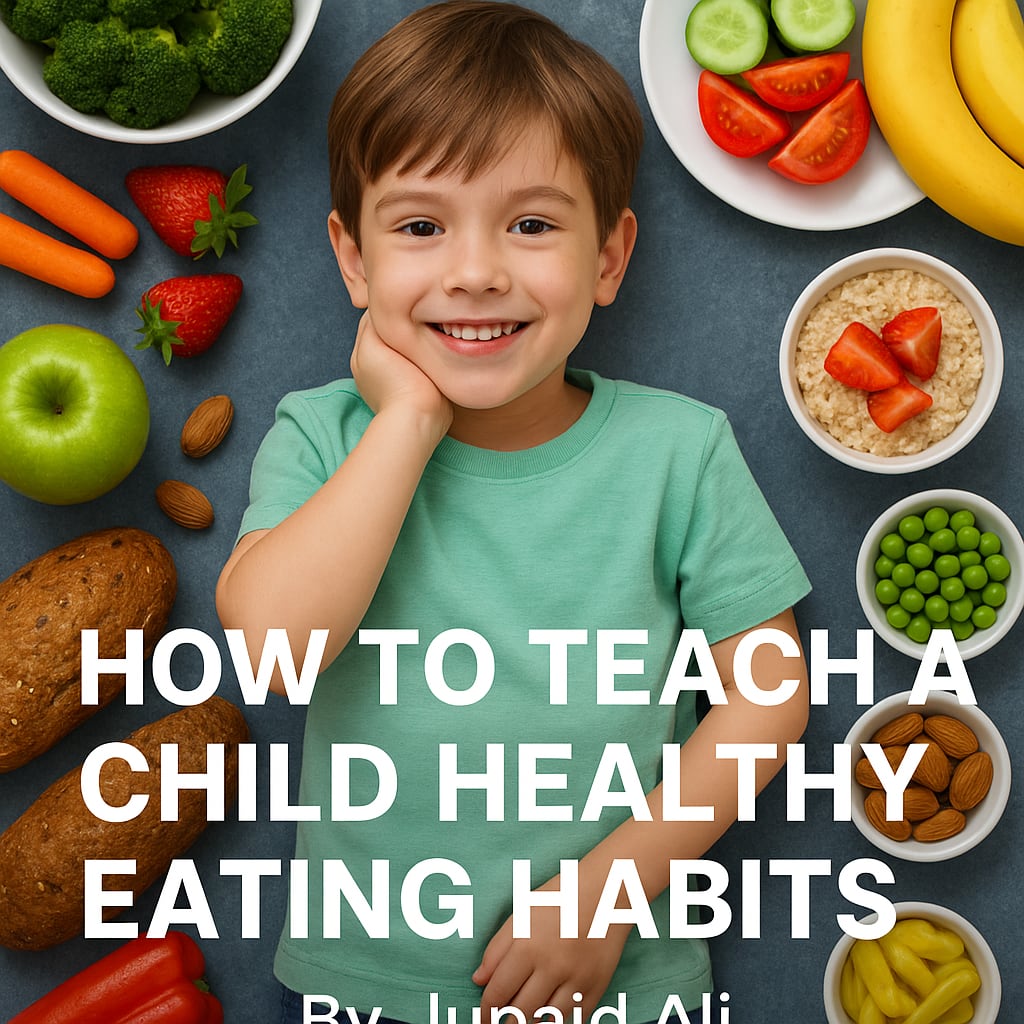
Helping children develop wholesome eating patterns is one of the most powerful gifts a caregiver can offer. Good nutrition fuels growth, sharpens concentration, and lays a foundation for lifelong well-being, yet the road to balanced meals can feel bumpy—especially in an era of fast food and screen-time snacking. The good news is that children are naturally curious and adaptable. With patience, consistency, and a sprinkle of creativity, you can guide them toward habits that stick well beyond childhood.
1. Begin with Your Own Plate
Kids learn first—and most deeply—by observation. If the adults around them reach for water instead of sugary drinks, load half their plate with colorful vegetables, and speak positively about food, children will absorb those cues. This doesn’t require perfection; occasional treats model moderation. What matters is the overall pattern: prioritize whole grains, lean proteins, fruits, vegetables, and healthy fats most of the time.
Action steps
Eat together: Shared meals encourage conversation, mindful eating, and exposure to new foods. Even one sit-down meal a day can make a difference.
Avoid negative self-talk: Comments like “I’m cheating on my diet” or “Carbs make me fat” can instill fear or guilt around food. Frame choices positively: “I’m choosing oatmeal because it keeps me energized.”
2. Make Healthy Options the Easy Options
Environment often trumps willpower, especially for little ones. Stock the kitchen so nutrient-dense food is the default.
Create a “snack station.” Keep washed fruit, cut veggies with hummus, yogurt cups, and nuts at eye level in the fridge or pantry.
Limit ultra-processed items. You don’t need to ban favorite chips or cookies entirely—but keep portions small, out of immediate view, and treat them as occasional, planned indulgences rather than everyday fillers.
Serve family-style. Place bowls of vegetables, proteins, and grains at the table and let children serve themselves. Autonomy increases the odds they’ll try new items and stop when full.
3. Engage Kids in the Process
Ownership transforms chores into adventures. When children help choose, prepare, or grow food, they develop pride—and curiosity—about what ends up on their plate.
Grocery missions: Give your child a simple job, like finding fruits of every color or selecting a new vegetable to sample.
Kitchen tasks: Even toddlers can rinse produce, tear lettuce, or stir batter. Older kids can read recipes, measure spices, and learn knife skills under supervision.
Garden projects: A pot of cherry tomatoes on the balcony or herbs in recycled cans offers a living lesson in where food comes from.
4. Teach Through All Five Senses
Healthy eating is more than nutrients; it’s an experience. Encourage children to notice color, aroma, texture, and flavor.
Rainbow challenges: Ask younger kids to “find a red food” or “something crunchy and green” during meals.
Taste tests: Offer bite-size samples of sweet, salty, sour, bitter, and umami foods, discussing how each feels on the tongue.
Mindful moments: Occasionally pause: “Let’s close our eyes for the first bite—what does the cinnamon oatmeal smell like?”
5. Set Consistent Routines
Regular meal and snack times help regulate appetite and prevent constant grazing.
Predictable schedule: Aim for three balanced meals and two small snacks, spaced two to three hours apart. This stabilizes blood sugar and moods.
Screen-free table: Eating in front of TVs or tablets distracts kids from hunger cues and makes it harder to recognize fullness. Create a rule: devices parked away during meals.
Hydration habit: Keep a sturdy water bottle within reach and model refilling it often. Flavor water with cucumber slices, mint, or citrus wheels for variety without added sugar.
6. Handle Picky Eating Calmly
Food jags and refusals are developmentally normal. Tension, bargaining, or force can backfire, teaching children to use food to gain control.
The “One-Bite Rule.” Encourage—but don’t coerce—children to taste a new food. Experiments show repeated neutral exposure (10–15 times) often flips rejection into acceptance.
Pairing trick: Serve a challenging vegetable alongside a familiar favorite. A dab of yogurt dip or grated cheese can make bitter greens more approachable.
Praise curiosity, not clean plates. Celebrate trying something new or describing a flavor. Avoid rewarding with dessert for finishing veggies; it assigns moral value to foods and can skew appetite regulation.
7. Use Marketing—But for Good
Children are bombarded by ads that glamorize sugary cereals and snacks. Counter this by making healthy foods visually appealing.
Playful plating: Arrange cucumber rounds as “tree tops,” carrot sticks as “logs,” or design fruit kabobs in rainbow order.
Creative names: Research shows kids eat more “X-ray Vision Carrots” than plain carrots. Let them invent superhero titles for nutrient all-stars.
Storytelling: Link foods to positive narratives: “Spinach gives you iron to build strong red-blood-cell ‘delivery trucks’ for oxygen.”
8. Cultivate a Balanced Attitude Toward Treats
An absolute ban can spark obsession; unlimited access displaces nutrient-dense choices. Strike a middle path.
Set expectations: Announce treat occasions in advance—Friday family movie night popcorn, birthday cake at parties—so sweets aren’t everyday entitlements.
Portion mindfulness: Serve small, plated portions rather than leaving a bag on the table. Focus on savoring rather than mindless munching.
Model flexibility: If holiday festivities include extra desserts, acknowledge it: “Special celebrations mean special foods. Tomorrow we’ll balance with extra fruits and vegetables.”
9. Reinforce Positive Associations Beyond the Table
Healthy eating links to energy, play, and learning.
Connect food to function: “These oatmeal banana muffins give us long-lasting energy for football practice.”
Celebrate progress: Keep a sticker chart for trying new foods or drinking enough water, redeemable for non-food rewards like a park trip.
Involve healthcare voices: Periodic visits with a pediatric dietitian or a child’s doctor—especially if there are growth concerns—underscore the importance of balanced nutrition.
Conclusion: Planting Seeds for Lifelong Wellness
Teaching children healthy eating habits isn’t a one-day seminar; it’s a mosaic of small, consistent choices that honor their autonomy, ignite their senses, and weave nourishment into family life. By modeling balanced meals, crafting an environment where wholesome options shine, engaging kids in food exploration, and approaching challenges with calm persistence, you cultivate not only sturdy bodies but also confident, mindful eaters. Over time, these lessons root deeply, empowering the next generation to navigate an abundant—and often confusing—food landscape with curiosity, joy, and resilience.
About the Creator
Junaid Ali (Official)
Start writing...forex Trader | Market Analyst | Risk Manager
5+ yrs of exp
Technical & Fundamental Analysis
Risk Management Strategies
Day & Swing Trading
Discipline. Patience. Consistency
💬 DM for collab
📊 “Trade with logic, not emotion
Keep reading
More stories from Junaid Ali (Official) and writers in Families and other communities.
The Art of Slowing Down
We live in a world that rewards speed. Faster results. Quicker replies. Instant updates. We rush through our mornings, skim through meals, multitask our way through work, and collapse into bed with one eye on tomorrow’s to-do list. Success is often measured in how much we can get done, how quickly we can reply, and how far ahead we can stay.
By Junaid Ali (Official)6 months ago in Humans
Wise~Guys
— Look Behind what's in Front of You ~ Make Good Choices — Hey, So how you Doin'..! Made~Men — Mobster Movies romanticise a distinctive, elegant appearance, impeccable attire style, along with the 'Families' expressive lingo. Making their 'Bones' gave them Panache — with vintage fedoras, tailored pin-striped suits, mirror-polished wing-tip shoes adorned with tassels; with their 'Gun Moll' gorgeous dates on their arms.
By Jay Kantor17 days ago in Families
Wild Card Weekend Recap: What Happens Now?
I think I figured out why I love Wild Card Weekend so much. It's because it's the first playoff anything of the calendar year. The NFL season starts in the fall, and once upon a time, the champion was crowned either on or slightly before New Year's. The evolution of the NFL schedule has resulted in the playoffs starting just into the New Year, and currently, the final week of the season falls on the first weekend of the New Year, with Wild Card Weekend coming a week after that. So yes, chronologically, the NFL's Wild Card Weekend serves as the first playoff anything of the calendar year.
By Clyde E. Dawkins5 days ago in Unbalanced




Comments
There are no comments for this story
Be the first to respond and start the conversation.