
🥫 How to Start Stockpiling Food in 2025: The Ultimate Guide for Beginners
A Step-by-Step Guide for Beginners

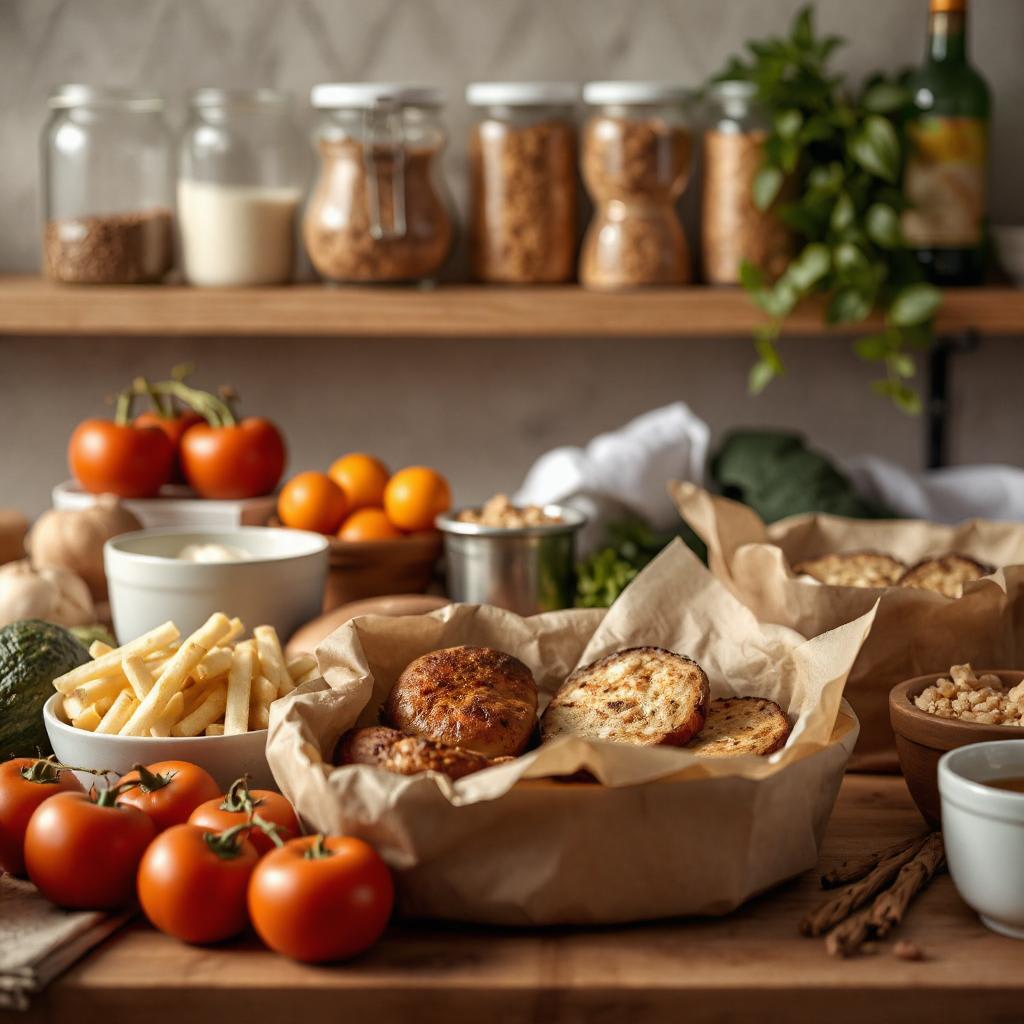
Introduction: Why Stockpiling Food is a Smart Move 🍽️
Imagine waking up one day to empty grocery store shelves, skyrocketing food prices, or a sudden power outage disrupting your daily routine. Would you be prepared?
Stockpiling food isn’t just for survivalists—it’s a practical strategy for anyone who wants to be prepared for emergencies, economic downturns, or even just those nights when you don’t feel like making a store run.
But where do you start? What foods should you stockpile, and how do you store them properly to prevent waste?
This guide will walk you through how to start stockpiling food the right way—without overspending, hoarding unnecessary items, or wasting food. Whether you’re prepping for short-term emergencies or long-term self-sufficiency, this step-by-step guide will help you build a sustainable and efficient food supply.
✅ Why Stockpiling Food is Important
Before diving into how to stockpile food, let’s look at the key benefits:
1️⃣ Emergency Preparedness ⚡
Natural disasters, power outages, supply chain disruptions—these can all happen unexpectedly. A well-stocked pantry ensures you won’t have to scramble in times of crisis.
2️⃣ Financial Savings 💰
Buying food in bulk and stocking up during sales helps you save money in the long run. You’ll also avoid panic-buying at higher prices when demand spikes.
3️⃣ Convenience 🛒
A stocked pantry means fewer trips to the store and less reliance on last-minute takeout. You’ll always have ingredients on hand to prepare meals.
4️⃣ Nutritional Security 🥗
You control what’s in your pantry, allowing you to prioritize healthy, shelf-stable foods rather than relying on processed, nutrient-poor options during emergencies.
🏡 Step 1: Assess Your Food Storage Needs
Stockpiling food should be tailored to your household size, dietary needs, and available storage space. Consider:
🔹 How many people are in your household? More people = more food.
🔹 Do you have dietary restrictions? Gluten-free, vegetarian, or low-sodium diets require careful planning.
🔹 How much storage space do you have? If space is limited, focus on compact, high-calorie foods.
🔹 Are you preparing for short-term or long-term needs? A 2-week supply differs from a 6-month or multi-year supply.
Pro Tip: Start small! Build a 2-week emergency food supply first, then expand over time.
🍞 Step 2: Choose the Right Foods to Stockpile
Not all foods are ideal for stockpiling. You need options that are nutritious, have long shelf lives, and are easy to store.
🛒 Best Foods for Stockpiling
1️⃣ Dry Goods (Long-Lasting & Versatile)
✔️ Rice (white rice lasts longer than brown)
✔️ Dried beans, lentils, and chickpeas
✔️ Pasta and noodles
✔️ Oats and rolled grains
✔️ Flour (store in airtight containers)
2️⃣ Canned Goods (Convenient & Nutritious)
✔️ Canned vegetables (corn, green beans, tomatoes)
✔️ Canned fruits (peaches, pears, pineapple)
✔️ Canned meats (tuna, chicken, spam)
✔️ Canned soups and stews
✔️ Nut butters (peanut, almond)
3️⃣ Proteins (Essential for Sustenance)
✔️ Freeze-dried meats and fish
✔️ Powdered eggs
✔️ Shelf-stable tofu
✔️ Protein powders
4️⃣ Dairy & Beverages (Long Shelf Life)
✔️ Powdered milk or evaporated milk
✔️ Shelf-stable plant-based milk (almond, soy)
✔️ Instant coffee and tea
✔️ Electrolyte powders
5️⃣ Oils, Spices & Condiments (Flavor & Nutritional Value)
✔️ Olive oil, coconut oil, and ghee
✔️ Salt, sugar, and honey
✔️ Dried herbs and spices
✔️ Vinegar and soy sauce
6️⃣ Snacks & Comfort Foods (Boost Morale in Tough Times)
✔️ Granola bars and crackers
✔️ Dark chocolate and candy
✔️ Instant soup and ramen
✔️ Popcorn kernels
Pro Tip: Store food in cool, dark, and dry areas to maximize shelf life!
🏺 Step 3: Proper Food Storage Techniques
Stockpiling food isn’t just about buying—it’s about storing it correctly to prevent spoilage and waste.
✔️ Best Storage Practices
Use airtight containers to keep out moisture and pests.
Label food with purchase and expiration dates.
Store in a temperature-controlled area (avoid garages with extreme temperatures).
Rotate food using the FIFO method (First In, First Out) to use older stock first.
✔️ Long-Term Storage Solutions
Mylar bags & oxygen absorbers – Ideal for rice, beans, and flour.
Vacuum sealing – Reduces air exposure for dried goods.
Freezing – Many dry goods last longer when frozen.
Bonus Tip: Store water too! Aim for at least 1 gallon per person per day for drinking and cooking.
💰 Step 4: Stockpile Food on a Budget
Worried about the cost? Here’s how to build a stockpile without overspending:
✔️ Buy in bulk – Wholesale stores and co-ops offer better deals.
✔️ Shop sales & use coupons – Take advantage of discounts.
✔️ Slow & steady approach – Add a few extra items each grocery trip.
✔️ Grow your own food – Herbs, potatoes, and tomatoes are easy to grow and store.
✔️ Barter & trade – Swap extra food with neighbors or community groups.
🍽️ Step 5: Incorporate Your Stockpile into Everyday Meals
Stockpiling doesn’t mean hoarding food you never eat! Plan meals around your stored food:
🍳 Breakfast: Oatmeal with powdered milk and dried fruit
🥗 Lunch: Canned tuna salad with crackers
🍛 Dinner: Rice, beans, and canned vegetables with spices
🍪 Snacks: Peanut butter and dried fruit energy bites
This ensures food stays fresh, prevents waste, and gets your family used to eating stockpiled items.
🌟 Conclusion: Start Your Stockpile Today!
Stockpiling food isn’t about fear—it’s about being smart and prepared. A well-planned food stockpile means security, savings, and peace of mind.
Start small and steady, focus on long-lasting, nutritious foods, and store them properly for maximum shelf life.
What’s the first food item you’re adding to your stockpile? Let me know in the comments! 🛒✨
❓ Frequently Asked Questions (FAQs)
1. How much food should I stockpile?
Begin with a 2-week emergency supply, then gradually expand to 3-6 months.
2. What foods last the longest?
White rice, dried beans, honey, canned meats, and freeze-dried foods have extremely long shelf lives.
3. How do I prevent food from expiring?
Use the FIFO method (First In, First Out), label items, and plan meals around your stockpile.
4. How do I stockpile food with limited space?
Maximize storage with under-bed containers, closet shelves, and vertical racks.
5. Can I stockpile food without breaking the bank?
Yes! Buy in bulk, shop sales, and gradually build your stockpile over time.
About the Creator
Karl Jackson
My name is Karl Jackson and I am a marketing professional. In my free time, I enjoy spending time doing something creative and fulfilling. I particularly enjoy painting and find it to be a great way to de-stress and express myself.
Keep reading
More stories from Karl Jackson and writers in Families and other communities.
Best Weight Loss Diet in 2025: Science-Backed Plans for Fast & Sustainable Results 🥗🔥
Introduction 🌟 Weight loss isn’t just about shedding pounds—it’s about adopting a lifestyle that promotes long-term health and well-being. With so many diets floating around, from keto to intermittent fasting, it’s easy to feel overwhelmed. But which diet is truly the best for weight loss in 2025?
By Karl Jackson12 months ago in Families
Wise~Guys
— Look Behind what's in Front of You ~ Make Good Choices — Hey, So how you Doin'..! Made~Men — Mobster Movies romanticise a distinctive, elegant appearance, impeccable attire style, along with the 'Families' expressive lingo. Making their 'Bones' gave them Panache — with vintage fedoras, tailored pin-striped suits, mirror-polished wing-tip shoes adorned with tassels; with their 'Gun Moll' gorgeous dates on their arms.
By Jay Kantor18 days ago in Families
Product of Lies
Product of Lies My earliest recollection of a lie was at the age of five. It was the Christmas holiday week, and my mom and dad were have an annual Christmas party for friends that included a couple children. The night was a fantasy, like the Nutcracker Suite without dancing. Our house length sunroom, which I always called the ball room was fully decked out in silver and gold garland, hung from each of the recessed lights in the entire room, which made the light refracting off of the tinsel, shimmer and flicker throughout. There was beautifully delicious food laid out and beverages for the kids and the adults. I was going to be a long evening of magical socializing in holiday vignettes.
By Alexandra Grant6 days ago in Families
Miss Persephone's Manual to a Seemingly Ordinary Life
Miss Persephone was found at the dining table, her blue eyes swollen, her tears arriving and retreating like the tides of the ocean. Earlier that day, her family had visited her in the retirement home where she had lived for eight years. It was her eightieth birthday.
By Imola Tóth3 days ago in Fiction




Comments
There are no comments for this story
Be the first to respond and start the conversation.