
How to Register as a Supplier for Port-Related Opportunities
Your Step-by-Step Guide to Getting Started in the Maritime Supply Chain
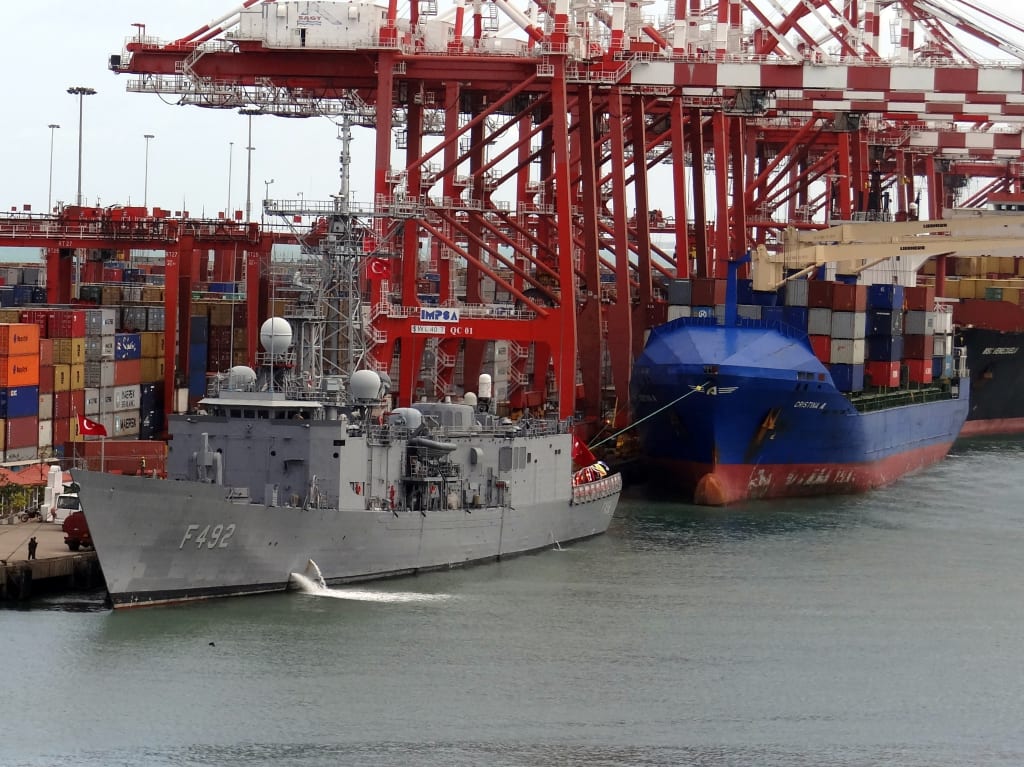
The maritime sector is full of opportunities for suppliers, from logistics and maintenance to technology and safety equipment. Here’s how to get registered and ready to work with major ports.
1. Understand the Port’s Procurement Structure
Before diving into paperwork, take time to understand how port procurement actually works. Each port or terminal has its own registration process, supplier categories, and evaluation methods. For example, large facilities like the Colombo container terminal manage multiple supply chains, covering everything from ship repair services to digital systems that track cargo. Knowing which area your products or services fit into helps you apply under the correct supplier category and prepare the right documentation. Research the port authority’s website or supplier portal to learn about eligibility requirements and preferred supplier networks. Understanding the structure from the start saves time and prevents your application from getting lost in the system.
2. Familiarise Yourself with the Registration Requirements
Once you know where you fit in, it’s time to gather what’s needed. Supplier registration typically involves submitting business credentials, financial records, safety certificates, and proof of relevant experience. Some ports, like SAGT Sri Lanka, follow international procurement standards and expect suppliers to maintain compliance with environmental and operational regulations. If you’re a new business, don’t be discouraged; ports often welcome smaller vendors who meet quality and reliability benchmarks. Make sure your business registration is up to date, your tax details are correct, and your company profile clearly outlines what sets you apart. Attention to detail matters here; incomplete or inconsistent submissions are a common reason applications are delayed or rejected.
3. Build Credibility Through Documentation and References
Beyond ticking boxes, ports want suppliers they can trust. Think of registration as more than just an administrative step. It’s a test of credibility. Prepare a detailed company portfolio that highlights your track record, industry certifications, and key clients. Include references or testimonials from past projects, especially those related to maritime or logistics services. If you’ve previously worked with government agencies or large-scale infrastructure projects, emphasise that experience. It shows that your business understands compliance, safety, and delivery standards. Some ports may also request insurance coverage details or quality assurance documents, so having those ready gives you an edge. The goal is to present your company as reliable, transparent, and capable of supporting long-term operations.
4. Register Online and Keep Track of Updates
Most modern ports now use digital supplier registration systems, which simplify the process but still require care. Start by visiting the port’s official website and locating the supplier registration or vendor management section. Create an account, fill in your company’s details, and upload the required documents. Some systems allow you to save drafts, which is useful if you need to confirm details before submitting. After registration, check for confirmation emails or vendor codes, as these will be essential for future tenders. Once approved, keep your profile up to date; expired licences or outdated contact details can cause missed opportunities. Also, sign up for email alerts or newsletters to stay informed about upcoming tenders or supplier meetings. The earlier you know about them, the better your chances of preparing strong bids.
5. Network and Maintain Good Standing
Registration is just the beginning. Building relationships with procurement teams, attending supplier workshops, and engaging with industry associations can help you stay visible. Many ports host supplier engagement sessions or sustainability briefings where vendors can learn about upcoming projects and expectations. Participating in these not only strengthens your understanding of the port’s goals but also shows your commitment to collaboration. Always deliver on your contracts and maintain a reputation for reliability; ports value suppliers who are consistent and proactive. If you ever face challenges meeting deadlines or technical requirements, communicate early. A transparent relationship builds trust, which often leads to repeat opportunities.
About the Creator
Keep reading
More stories from John Ashley and writers in Families and other communities.
How to Enjoy a World-Cuisine Journey Without Leaving Downtown Bangkok
Bangkok is known for its spectacular offerings of Thai cuisine. Street markets and restaurants alike serve up the best of local flavours, but that’s not all. Thailand’s capital is also a great place to feast on international flavours, from Italian to Spanish to American cuisine. You don’t even have to leave central Bangkok to find a place that serves all this and more.
By John Ashley3 months ago in Families




Comments
There are no comments for this story
Be the first to respond and start the conversation.