
How to Prevent Pests in Your Basement
Simple Steps to Keep Your Basement Pest-Free and Safe

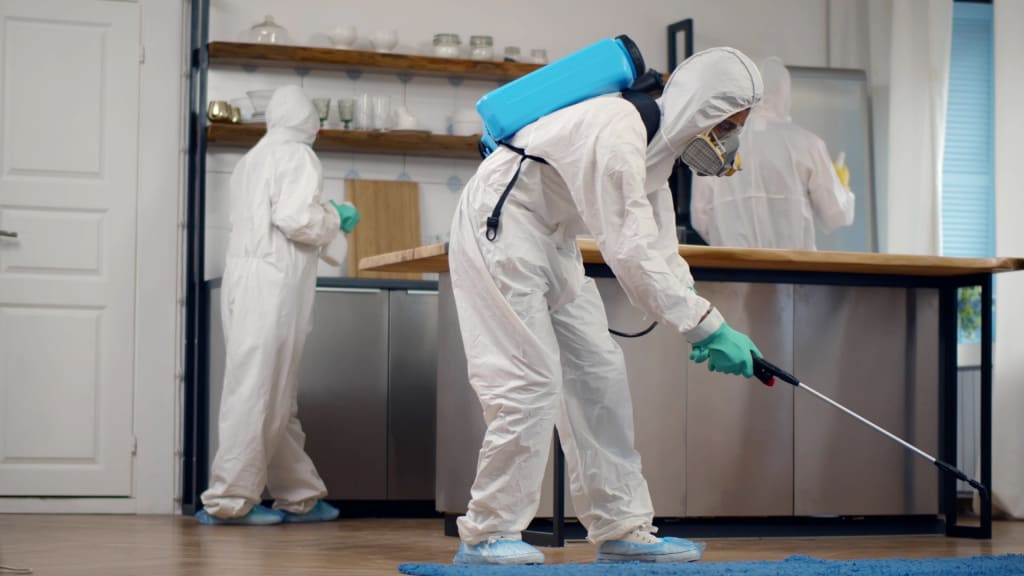
The basement is one area of the home that often gets overlooked, but it’s also a favorite hiding spot for pests. Dark, damp, and filled with storage items, basements provide the perfect environment for pests like rodents, insects, and spiders to thrive. Keeping your basement free of pests is crucial not only for maintaining a clean and comfortable home but also for preventing damage and health risks. In this blog, we will explore practical and effective ways to prevent pests from invading your basement. If you’re think for pest control in Reservoir or your vicinity, this guide will help you take the necessary steps to keep your basement pest-free.
Why Do Pests Love Basements?
Understanding why pests are attracted to basements can help you better prevent infestations. Here are some reasons why basements are so appealing to pests:
- Dark and Hidden Areas: Basements are often dark and filled with clutter, providing numerous hiding spots for pests. The lack of natural light makes it easy for pests to go unnoticed.
- Moisture and Humidity: Basements tend to be damp and humid, especially if they are not well-ventilated. Moisture is a significant attraction for pests like cockroaches, spiders, and silverfish.
- Food Sources: Stored food items, cardboard boxes, and organic materials in basements can attract pests. Rodents, ants, and cockroaches are drawn to food crumbs and leftovers.
- Warmth: Basements can provide a warm environment for pests, especially during the colder months. Rodents and insects seek shelter in basements to stay warm and safe from harsh weather conditions.
- Entry Points: Basements often have entry points like cracks, gaps, and openings around windows, doors, and utility lines. These entry points provide easy access for pests to enter your home.
Effective Tips to Prevent Pests in Your Basement
Preventing pests from entering your basement involves a combination of cleanliness, maintenance, and preventive measures. Here are some effective tips thats are used by professional pest control to keep pests out of your basement:
1. Keep Your Basement Clean and Organized
A clean and organized basement is less attractive to pests. Here’s how to maintain a clean basement:
- Declutter Regularly: Remove unnecessary items and clutter from your basement. Piles of cardboard boxes, old newspapers, and unused items provide hiding spots for pests. Organize your belongings in sealed plastic containers to keep them safe from pests.
- Clean Spills and Crumbs: Clean up spills and crumbs immediately to prevent attracting pests. Regularly sweep and vacuum the basement floor to remove food particles and debris.
- Store Food Properly: If you store food items in the basement, keep them in airtight containers. This will prevent pests like rodents and ants from accessing the food.
- Use Plastic Bins: Store items in plastic bins with tight-fitting lids instead of cardboard boxes. Plastic bins are more resistant to pests and help keep your belongings safe.
2. Control Moisture and Humidity
Moisture is a major attractant for pests, so controlling the moisture levels in your basement is crucial. Here’s how to manage moisture:
- Fix Leaks and Drips: Inspect your basement for leaks, drips, and water damage. Fix any plumbing issues and seal leaks in pipes, walls, and ceilings. Even small leaks can create a damp environment that attracts pests.
- Use a Dehumidifier: A dehumidifier can help reduce humidity levels in your basement, making it less attractive to pests. Set the dehumidifier to maintain a humidity level below 50%.
- Ventilate Properly: Ensure that your basement is well-ventilated to prevent moisture buildup. Use exhaust fans, open windows, or install vents to improve air circulation.
- Install a Sump Pump: If your basement is prone to flooding, consider installing a sump pump to remove excess water. A dry basement is less likely to attract pests.
3. Seal Entry Points
Pests can enter your basement through small cracks and gaps. Sealing these entry points can help prevent pests from getting inside. Here’s how to do it:
- Inspect the Foundation: Check the foundation of your home for cracks and gaps. Use caulk or sealant to fill any openings you find. Pay special attention to areas around windows, doors, and utility lines.
- Seal Windows and Doors: Inspect basement windows and doors for gaps or cracks. Use weatherstripping or caulk to seal any gaps. Install door sweeps on exterior doors to prevent pests from crawling underneath.
- Cover Vents and Openings: Use mesh screens to cover vents, exhaust fans, and other openings in the basement. This will prevent pests from entering through these openings.
- Use Expanding Foam: For larger gaps and openings, use expanding foam to fill the space and block pest entry. Be sure to follow the manufacturer’s instructions when using expanding foam.
4. Remove Standing Water
Standing water is a breeding ground for pests like mosquitoes and attracts other pests seeking a water source. Here’s how to prevent standing water in your basement:
- Check for Water Accumulation: Inspect your basement for areas where water may accumulate, such as near windows, doors, and corners. Address any issues that may cause water to pool.
- Use a Wet/Dry Vacuum: If you notice standing water in your basement, use a wet/dry vacuum to remove it immediately. Dry the area thoroughly to prevent moisture buildup.
- Improve Drainage: Ensure that your home’s drainage system is working properly. Clean gutters and downspouts to prevent water from seeping into the basement.
5. Use Natural Repellents
Natural repellents can help keep pests out of your basement without the use of harsh chemicals. Here are some natural repellents you can use:
- Essential Oils: Essential oils like peppermint, lavender, and eucalyptus have natural insect-repellent properties. Mix a few drops of essential oil with water in a spray bottle and spray it around the basement, especially near entry points.
- Diatomaceous Earth: Diatomaceous earth is a natural powder that can kill insects like ants, cockroaches, and spiders. Sprinkle it around the perimeter of the basement, along baseboards, and in areas where pests are commonly found.
- Cedar Chips: Cedar has natural pest-repelling properties. Place cedar chips or blocks in your basement to deter pests like moths and spiders.
- Citrus Peels: Place citrus peels, such as lemon or orange peels, near entry points and in storage areas. The strong scent can deter pests like ants and spiders.
6. Install Pest Traps
Pest traps can be an effective way to monitor and control pest activity in your basement. Here’s how to use traps:
- Sticky Traps: Place sticky traps around the basement to catch insects like spiders, ants, and cockroaches. Check the traps regularly and replace them as needed.
- Rodent Traps: Use snap traps or humane live traps to catch mice and rats. Place traps along walls, near entry points, and in areas where you’ve seen rodent activity.
- Bait Stations: Use bait stations to attract and kill pests like ants and cockroaches. Place bait stations in areas where pests are commonly found, such as under sinks and behind appliances.
7. Maintain Your Home’s Exterior
Preventing pests from entering your basement also involves maintaining the exterior of your home. Here’s how to keep pests away from the outside:
- Trim Vegetation: Trim bushes, trees, and shrubs away from the foundation of your home. Overgrown vegetation can provide a pathway for pests to enter the basement.
- Remove Debris: Remove leaves, mulch, and other debris from around the foundation. Pests can use debris as shelter and hiding spots.
- Store Firewood Away from the House: Keep firewood at least 20 feet away from the house and store it off the ground. Firewood can attract pests like rodents and termites.
- Inspect the Roof and Gutters: Check the roof and gutters for damage and ensure they are free of debris. Clogged gutters can cause water to overflow and seep into the basement.
When to Call Professional Pest Control Services
While preventive measures and DIY methods can be effective for keeping pests out of your basement, there are situations where it’s best to call in professional pest control services. Here are some scenarios where professional help is recommended:
1. Persistent Pest Problems
If you’ve tried preventive measures and DIY methods but still have a persistent pest problem, it’s time to call a professional. Professional pest control services have the experience, tools, and knowledge to handle more serious infestations.
2. Health and Safety Concerns
If you’re dealing with pests that pose a health risk, such as rodents, cockroaches, or spiders, it’s important to seek professional help. These pests can carry diseases and cause health problems, so it’s best to address the issue quickly and effectively.
3. Large-Scale Infestations
If you notice a large number of pests, such as a colony of ants or a nest of rodents, a professional pest control service can handle the situation more effectively. Large-scale infestations may require specialized treatments and equipment.
4. Structural Damage
If pests have caused structural damage to your basement, such as chewing on wires or insulation, it’s important to call a professional. They can assess the extent of the damage and provide the necessary treatments to prevent further issues.
Finding Pest Control Services in Melbourne
If you’re looking for "Pest Control in Melbourne" or "Pest Control Services," here are some tips for finding a reliable and experienced pest control company:
1. Check Reviews and Testimonials
Look for online reviews and testimonials from previous customers. A reputable pest control service will have positive feedback and a history of satisfied clients. Customer reviews can provide valuable insights into the quality of service and the results you can expect.
2. Ask for Recommendations
Ask friends, family, or neighbors if they have any recommendations for pest control services. Personal referrals can be a valuable resource and help you find a trustworthy service provider.
3. Verify Credentials
Make sure the pest control service is licensed and insured. This provides peace of mind and protection in case of any accidents or damages during the pest control process. A licensed and insured company demonstrates professionalism and reliability.
4. Get Multiple Quotes
Contact several pest control companies to get quotes for the service. Compare prices, services, and response times to find the best fit for your needs. While price is an important consideration, also consider the quality of service and the reputation of the company.
5. Inquire About Experience
Ask the pest control service about their experience with the specific type of pest you’re dealing with. Experienced professionals are more likely to provide high-quality results and handle various types of pest infestations effectively.
Conclusion
Keeping your basement pest-free is essential for maintaining a clean, comfortable, and healthy home. By following the tips outlined in this guide, you can prevent pests from entering your basement and address any existing pest issues. Regular cleaning, moisture control, sealing entry points, and using natural repellents are effective ways to keep pests away.
About the Creator
Keep reading
More stories from Jack Warner and writers in Families and other communities.
How to Remove Rats from Home Without Killing Them
Rats in the home can be a serious problem, causing damage to property, spreading disease, and creating a general sense of unease. Many people want to get rid of these unwanted guests without causing them harm. Luckily, there are humane ways to remove rats from your home and keep them from coming back. In this blog, we will explore how to remove rats from your home without killing them, using humane traps, natural repellents, and preventive measures. Whether you’re looking for rat removal in Melbourne or elsewhere, these tips will help you keep your home rodent-free.
By Jack Warner2 years ago in Families
My Favorite Slime Recipe
A few years ago, making your own slime was all the rage. People swapped recipes and even swapped slimes. Now, you can buy all the pre-made slime you want, in a variety of colors, textures, and themes. But there is something special about creating your own slime. This activity is great for keeping children busy on a rainy day, or helping them learn to follow step by step directions.
By Angel Mann6 days ago in Families
Punch the Macaque: The Baby Monkey Who Found Comfort in a Plush Friend
Today we look back at one of the most unexpected viral stories of 2025—a tale that began quietly in a zoo in Japan and grew into a global symbol of resilience and tenderness. It is the story of Punch, a Japanese macaque born in July 2025 at Ichikawa City Zoo in Chiba Prefecture. His life began with hardship, but what followed has touched millions across the world.
By Haroon Pasha2 days ago in Families



Comments
There are no comments for this story
Be the first to respond and start the conversation.