
How to Prepare for Your Trip to Peru: Best Travel Tips
How to Prepare for Your Trip to Peru: Best Travel Tips

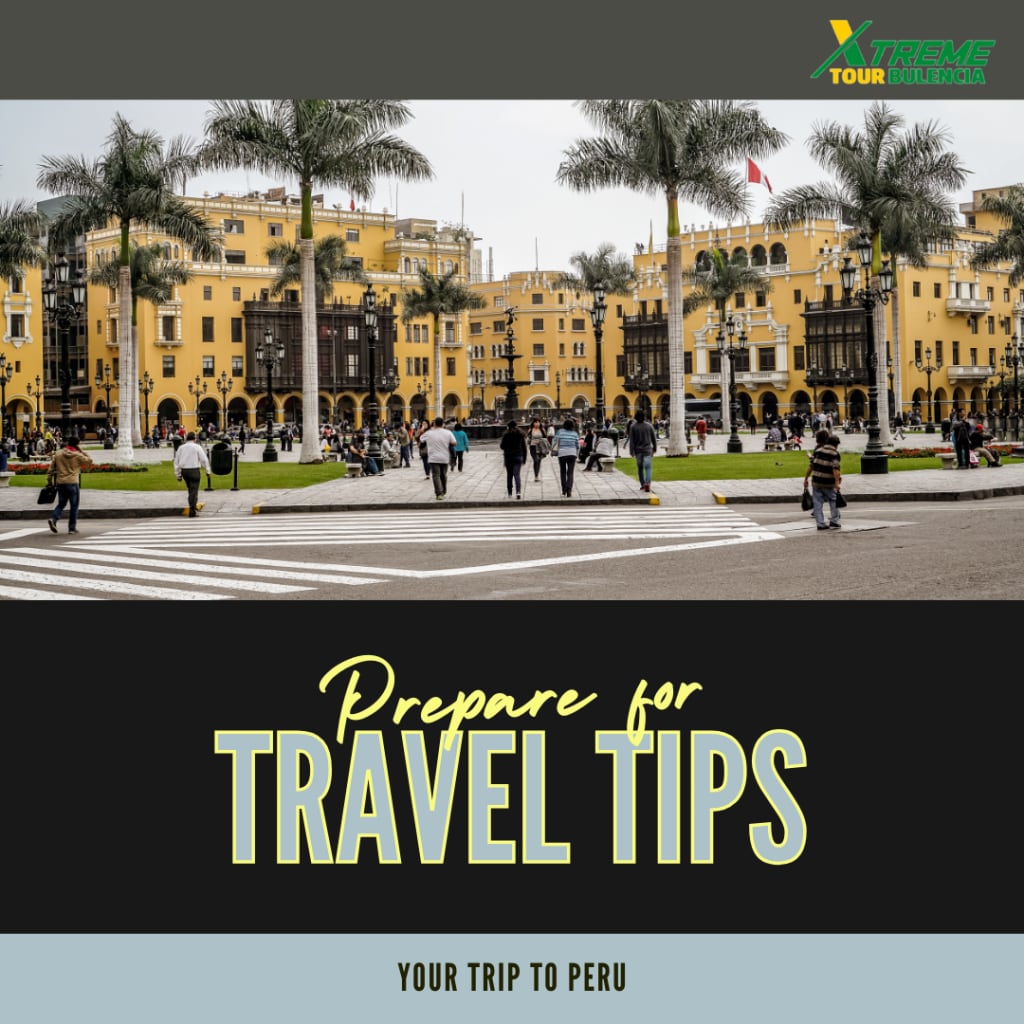
Planning a trip to Peru? Whether you're exploring the majestic ruins of Machu Picchu, the vibrant streets of Cusco, or the breathtaking landscapes of the Sacred Valley, preparation is key to making your journey smooth and memorable. From packing essentials to cultural etiquette, here’s a comprehensive guide to help you prepare for your Peruvian adventure.
1. Plan Your Itinerary Wisely
Peru offers a variety of experiences, so plan your itinerary based on your interests, the time you have, and the best season to visit. Here are some must-see destinations:
Machu Picchu: A UNESCO World Heritage site and one of the New Seven Wonders of the World.
Cusco: The historic capital of the Inca Empire, filled with stunning architecture and vibrant markets.
The Amazon Rainforest: Explore the biodiversity of Peru’s jungle regions, especially near Puerto Maldonado or Iquitos.
Lake Titicaca: The highest navigable lake in the world, home to the floating Uros Islands.
Nazca Lines: Enigmatic geoglyphs that can only be fully appreciated from the air.
Pro Tip
Book tickets for popular attractions like Machu Picchu and the Inca Trail well in advance, as these spots often sell out months ahead.
2. Check Passport, Visa, and Vaccination Requirements
Passport and Visa
Ensure your passport is valid for at least six months beyond your trip's end date. Most tourists don’t need a visa for stays under 183 days, but check the latest requirements based on your nationality.
Vaccinations
No specific vaccinations are required to enter Peru, but some are recommended depending on your travel itinerary:
Yellow Fever: Essential if you're visiting the Amazon region.
Hepatitis A and Typhoid: Advisable for all travelers.
COVID-19: Check current guidelines, as proof of vaccination or a negative test may be required.
3. Pack Smart for Diverse Climates
Peru's geography includes mountains, jungles, and coastal regions, which means varying weather conditions. Here’s a quick guide to packing:
Clothing Essentials
Layered Clothing: In the Andes, mornings and evenings are chilly, while daytime can be warm.
Rain Gear: If traveling during the wet season (November to April), bring a waterproof jacket and sturdy shoes.
Comfortable Shoes: Essential for hiking and exploring uneven terrain.
Sun Protection: Hats, sunglasses, and sunscreen for the high-altitude sun.
Other Essentials
Travel Backpack: Lightweight yet durable for day trips or hikes.
Reusable Water Bottle: Stay hydrated while reducing plastic waste.
Basic First Aid Kit: Include altitude sickness remedies, pain relievers, and motion sickness tablets.
Travel Adapters: Peru uses Type A and C plugs, with a standard voltage of 220V.
4. Acclimatize to High Altitudes
If you're visiting high-altitude destinations like Cusco or Puno, altitude sickness (soroche) can be a concern. Symptoms include headache, nausea, and shortness of breath.
Tips to Manage Altitude Sickness
Ascend Gradually: Spend your first day in Cusco or other high-altitude areas resting and acclimating.
Stay Hydrated: Drink plenty of water to help your body adjust.
Coca Tea: A traditional remedy that locals swear by for easing symptoms.
Medication: Consult your doctor about altitude sickness prevention medications like acetazolamide.
5. Understand Local Currency and Budgeting
The currency in Peru is the Peruvian Sol (PEN). While credit cards are widely accepted in cities, cash is essential for smaller towns, markets, and local transportation.
Money Tips
Exchange Rates: Get some Peruvian Sol before you arrive, or exchange at banks or authorized vendors for better rates.
ATMs: Widely available in cities but may charge fees.
Tipping: While not mandatory, tipping 10% in restaurants is appreciated.
6. Learn a Few Spanish Phrases
While English is common in tourist areas, knowing basic Spanish will help you connect with locals and navigate off-the-beaten-path locations.
Useful Phrases
"Hola" (Hello)
"Gracias" (Thank you)
"¿Cuánto cuesta?" (How much does it cost?)
"¿Dónde está...?" (Where is...?)
"No hablo español muy bien" (I don’t speak Spanish very well)
If you're visiting remote areas, picking up a few Quechua words, the language of the indigenous people, can also be appreciated.
7. Embrace Peruvian Cuisine
Peru is a culinary hotspot, famous for its fusion of traditional and modern flavors. Be sure to try these iconic dishes:
Ceviche: Fresh raw fish marinated in lime juice, chili, and onions.
Lomo Saltado: A stir-fry of beef, onions, and tomatoes served with rice and fries.
Ají de Gallina: A creamy chicken stew with a spicy kick.
Alpaca Meat: A lean and delicious alternative to beef.
Pisco Sour: The national cocktail made with Pisco, lime, sugar, and egg white.
Pro Tip
Be cautious about street food if you have a sensitive stomach. Opt for reputable restaurants or markets for an authentic yet safe experience.
8. Stay Safe and Healthy
While Peru is generally safe for tourists, staying vigilant and taking precautions will ensure a worry-free trip.
Safety Tips
Keep Valuables Secure: Use a money belt or anti-theft bag to safeguard your cash and passport.
Avoid Walking Alone at Night: Especially in unfamiliar or poorly lit areas.
Use Trusted Transportation: Opt for registered taxis or rideshare services.
Health Tips
Drink Bottled Water: Tap water isn’t safe for drinking.
Stay Up to Date with Vaccinations: Ensure you’re protected against common travel illnesses.
Carry Travel Insurance: Covers medical emergencies, trip cancellations, and lost luggage.
9. Know the Best Time to Visit
Peru’s weather varies depending on the region and time of year.
Dry Season (May to September): Best for trekking and visiting the Andes, with clear skies and cooler temperatures.
Wet Season (November to April): Ideal for visiting the Amazon, but expect rain in mountainous areas.
Coastal Areas: Warm and sunny during the summer (December to March), while winter (June to August) brings cooler temperatures.
10. Respect Local Culture and Traditions
Peru is rich in cultural heritage, and respecting local customs enhances your travel experience.
Cultural Etiquette
Dress Modestly: Especially when visiting religious sites.
Ask Before Taking Photos: Some locals may not want their picture taken, or they may expect a small tip.
Learn About the Quechua People: The indigenous communities are an integral part of Peru’s identity. Engage respectfully and consider purchasing their handmade crafts.
Final Thoughts
Preparing for a trip to Peru involves thoughtful planning, packing, and cultural awareness. By following these tips, you’ll be ready to make the most of your adventure in this beautiful and diverse country.
From exploring ancient ruins to savoring world-class cuisine, Peru offers unforgettable experiences that will leave you longing to return. Happy travels!
About the Creator
Xtreme Tourbulencia
Xtreme Tourbulencia is a renowned brand that offers an unforgettable experience on the Inca Trail to Machu Picchu.
Keep reading
More stories from Xtreme Tourbulencia and writers in Families and other communities.
Machu Picchu: A Complete Guide to Fully Enjoy Your Trip
A visit to Machu Picchu is a journey into the heart of the ancient Inca Empire and one of the most breathtaking adventures in South America. Nestled high in the Andes Mountains, this UNESCO World Heritage site is filled with history, stunning scenery, and an aura of mystery that captivates travelers worldwide. This guide provides all the information you’ll need to make the most of your visit, from preparation and travel tips to exploring the highlights of the site itself.
By Xtreme Tourbulenciaabout a year ago in Families
Wise~Guys
— Look Behind what's in Front of You ~ Make Good Choices — Hey, So how you Doin'..! Made~Men — Mobster Movies romanticise a distinctive, elegant appearance, impeccable attire style, along with the 'Families' expressive lingo. Making their 'Bones' gave them Panache — with vintage fedoras, tailored pin-striped suits, mirror-polished wing-tip shoes adorned with tassels; with their 'Gun Moll' gorgeous dates on their arms.
By Jay Kantor19 days ago in Families
Bettijo Hirschi
Introduction Bettijo Hirschi is a multi‑talented creative professional from the United States. She works as a designer, art director, photographer, writer, and event planner. Bettijo has built a long career in creative work and media. People know her for her artistic skills, her work in magazines and television, and her lifestyle blog. She is also known in recent news because of changes in her personal life.
By Farhan Sayed4 days ago in Families
The Devil's Cut
“Comrade, finally you’re awake.” The voice was smooth, sensual. A flickering incandescent bar was all that lit the white, sterile room. All Vladimir remembered was everything going black. He tried to move his arms and found them strapped to the gurney.
By Matthew J. Fromm5 days ago in Fiction



Comments
There are no comments for this story
Be the first to respond and start the conversation.