
How to Keep Bugs Out of Your Garden
Discover simple ways to keep bugs out of your garden. Learn about pest control services and tips on handling pests in your garden. Prevent pest problems today!

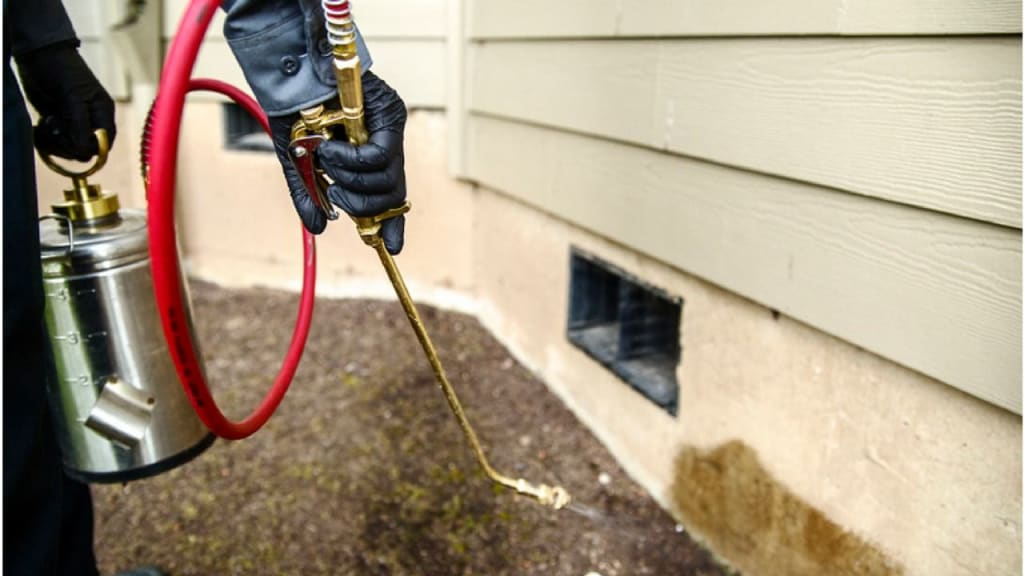
Gardens are a place of beauty and relaxation, but they can also become home to pests that can damage your plants and crops. Bugs and pests in the garden can cause significant problems, eating through leaves, damaging roots, and spreading diseases. Keeping bugs out of your garden can feel like a constant battle, but with the right strategies, it’s possible to protect your plants and keep your garden healthy. In this blog, we will explore several practical ways to keep bugs out of your garden, including natural remedies, pest control tips, and when to call professional pest control Reservoir services.
Understanding Common Garden Pests
Before we dive into how to keep bugs out of your garden, it’s important to understand the different types of pests that can be harmful to your plants. Common garden pests include:
- Aphids: Tiny insects that suck sap from plants, causing leaves to curl and turn yellow.
- Slugs and Snails: These pests feast on leaves and stems, leaving behind slimy trails.
- Whiteflies: Small flying insects that attack the underside of leaves and weaken the plant.
- Caterpillars: The larvae of moths and butterflies, which can eat large holes in leaves.
Identifying these pests is the first step in preventing them from invading your garden. Now, let’s look at some simple, effective ways to keep them out.
1. Create a Healthy Garden Environment
A healthy garden is less likely to attract pests. Keeping your plants strong and resilient will make them more resistant to pest damage. Here’s how to create a garden environment that discourages pests:
- Choose the right plants: Select plants that are native to your area or resistant to common pests. These plants are often hardier and less likely to suffer from pest attacks.
- Ensure good soil health: Healthy soil supports strong plants. Use compost and mulch to improve the soil and add nutrients, which will help your plants grow better.
- Water properly: Overwatering or underwatering can stress your plants, making them more attractive to pests. Water your plants deeply but infrequently, and ensure proper drainage to avoid waterlogged soil.
2. Use Natural Pest Repellents
If you prefer to avoid using chemicals in your garden, there are many natural ways to repel bugs. Here are some natural pest control Melbourne options:
Herbs and Plants
Certain herbs and plants are known to repel pests due to their strong smells. Planting them around your garden or in pots can help deter bugs:
- Lavender repels moths, fleas, and mosquitoes.
- Marigolds keep aphids, mosquitoes, and nematodes at bay.
- Basil repels flies, mosquitoes, and spider mites.
- You can also grow mint, garlic, and chives to naturally deter pests from your garden.
Neem Oil
Neem oil is a natural pesticide that works well against a wide range of garden pests. It is safe for plants and the environment, making it a popular choice for organic gardeners. Neem oil disrupts the feeding and reproduction of insects, effectively reducing pest populations.
Diatomaceous Earth
Diatomaceous earth is a powder made from fossilized remains of marine organisms. It works by dehydrating insects when they come into contact with it. Sprinkling it around your plants can help keep pests like ants, slugs, and beetles away.
3. Build Physical Barriers
One of the simplest ways to protect your plants from bugs is by using physical barriers. These barriers prevent pests from reaching your plants and are effective for a variety of insects.
- Row covers: Lightweight fabric covers can be draped over plants to protect them from flying insects like aphids and whiteflies.
- Netting: Mesh netting can help protect fruit and vegetables from pests like birds and insects. Make sure the holes in the netting are small enough to keep pests out.
- Copper Tape: Copper is known to repel slugs and snails. Placing copper tape around the base of pots or garden beds can help prevent these pests from crawling onto your plants.
4. Encourage Beneficial Insects
Not all insects are bad for your garden. In fact, some bugs can help control pest populations by preying on harmful insects. Encouraging beneficial insects in your garden is a natural way to keep pest numbers in check.
- Ladybugs: These beneficial insects eat aphids and other small pests. You can buy ladybugs and release them into your garden.
- Lacewings: The larvae of lacewings eat aphids, whiteflies, and caterpillars.
- Predatory beetles: Certain types of beetles, like ground beetles, will eat slugs, snails, and other garden pests.
Planting a diverse range of flowers, herbs, and shrubs will help attract these beneficial insects to your garden. You can also consider installing insect houses to give them a place to nest.
5. Keep Your Garden Clean and Tidy
Pests thrive in messy, cluttered environments, so keeping your garden neat and tidy is essential for preventing an infestation. Here are a few cleaning tips to keep pests away:
- Remove dead plants and debris: Fallen leaves, dead plants, and other debris provide hiding spots for pests. Regularly clean up your garden to reduce the chances of attracting pests.
- Prune and trim plants: Overgrown plants can create a sheltered environment for bugs. Prune your plants to maintain airflow and remove any dead or diseased parts that could attract pests.
6. Call Professional Pest Control Services
Sometimes, despite your best efforts, pests can still invade your garden. If you’re dealing with a serious infestation, it may be time to call in professional pest control services. Experts in pest control Reservoir and surrounding areas can identify the specific pests in your garden and implement targeted treatments to eliminate them. Pest control services can help you protect your garden without the stress of dealing with pests yourself.
7. Use Organic Pest Control Products
If you prefer to use products for pest control but want to avoid chemicals, organic pest control products are a great alternative. Many of these products are safe for the environment and effective in controlling pests:
- Insecticidal soap: This product is made from plant oils and fatty acids that target soft-bodied insects like aphids and mites.
- Organic pesticides: There are various organic pesticides available on the market that use natural ingredients to control pest populations.
Before using any product, be sure to read the instructions carefully to ensure it’s safe for your plants.
Conclusion
Keeping bugs out of your garden doesn’t have to be difficult. By creating a healthy garden environment, using natural repellents, building physical barriers, and encouraging beneficial insects, you can protect your plants from pests. If necessary, don’t hesitate to call pest control experts for assistance. With these simple and effective strategies, you can enjoy a pest-free garden all year long.
About the Creator
Keep reading
More stories from Jack Warner and writers in Families and other communities.
How to Identify and Remove a Dead Animal in Your Home or Yard
There’s nothing quite like the surprise of discovering a dead animal in your home or yard. It’s not exactly a pleasant experience, and it definitely doesn’t make for great dinner conversation. But don’t panic! Whether it’s the smell that gave it away or the sight of something that’s been there for a while, knowing how to identify and remove a dead animal from your space can save you from unwanted pests and unpleasant odors. If you’re in Melbourne, Dead Animal Removal Melbourne services are just a call away, but knowing the basics can make a big difference in dealing with these situations effectively.
By Jack Warnerabout a year ago in Families
A Transparent Look at Vocal Challenges and Top Stories
Almost three years ago, we shared a resource article that served as a place for people to suggest new challenge prompts. We thought it would be a good idea to refresh that thread, and take the opportunity to answer a few common questions about top stories, how challenges are judged and how submissions are reviewed.
By Vocal Curation Team3 days ago in Resources



Comments
There are no comments for this story
Be the first to respond and start the conversation.