
How to Explain Nostalgia to a Toddler
"How to Help Your Little One Understand and Embrace Fond Memories"

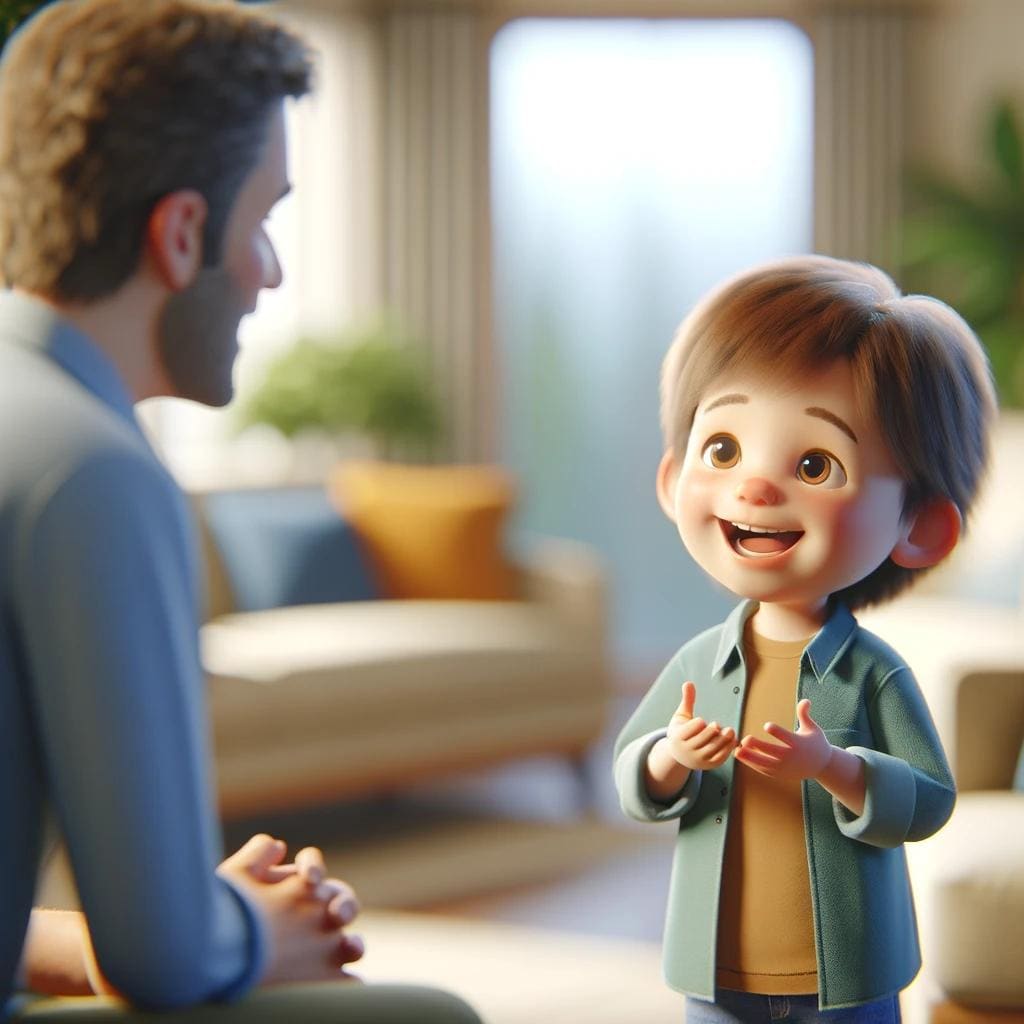
As parents, we often find ourselves navigating the complex world of emotions with our children. One emotion that can be particularly challenging to explain is nostalgia. While nostalgia might seem like an advanced concept for a toddler, it's possible to break it down into simple, relatable terms. Here’s how you can introduce your little one to the feeling of nostalgia in a way that they can understand.
What is Nostalgia?
Nostalgia is a feeling that happens when we remember something from the past that made us happy. It can be about a place, a person, a toy, or an experience. It's like taking a trip down memory lane and feeling a warm, fuzzy emotion because of those memories.
Why Do We Feel Nostalgia?
Everyone feels nostalgia sometimes, even parents. We might think about our favorite childhood toys, places we visited, or people we spent time with. Nostalgia helps us remember happy times and can make us feel good, even if it also makes us a little sad because those moments are in the past.
How to Explain Nostalgia to Your Toddler
Use Simple Words
When explaining nostalgia to your toddler, keep it simple and relatable. You can say something like:
"Nostalgia is when you think about something that happened before, and it makes you feel happy and a little bit sad at the same time."
Share a Personal Example
Children learn best through examples. Share a personal nostalgic moment with your toddler. For instance, you might say:
"Remember when we went to the beach last summer and built a big sandcastle? When I think about that day, I feel nostalgia. It makes me happy because we had so much fun, but also a little sad because I miss that day."
Relate It to Their Experiences
Connect the concept of nostalgia to your child's experiences. Ask them about their favorite memories:
"Do you remember your birthday party with the big cake and all your friends? Thinking about that party can make you feel nostalgia because it was a special and happy time."
Use Stories and Books
There are many children's books and stories that deal with memories and feelings. Reading these together can help your toddler understand the concept of nostalgia through familiar characters and situations. Look for books that talk about past experiences and how they make the characters feel.
Create Nostalgic Moments Together
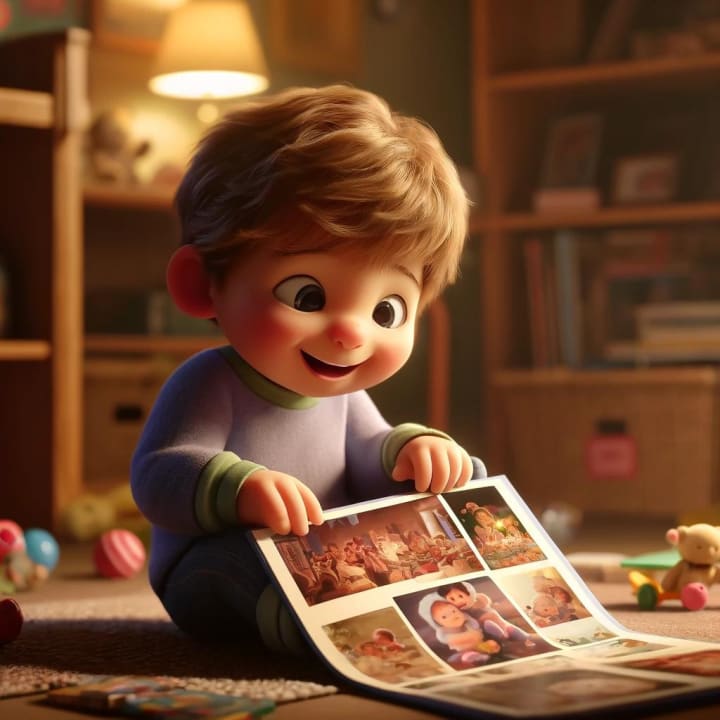
Spend time creating new memories with your toddler that they can look back on fondly. Take photos, make art projects, or keep a journal of fun activities. Later, you can look at these together and talk about how you felt during those moments. This practice can help them understand how nostalgia works in their own lives. You can say:
"Look at this picture from when we went to the zoo and saw the elephants! When we look at this, we can remember how much fun we had, and that's nostalgia."
Use Comparisons
Another way to explain nostalgia is by using comparisons to feelings they are already familiar with. For instance:
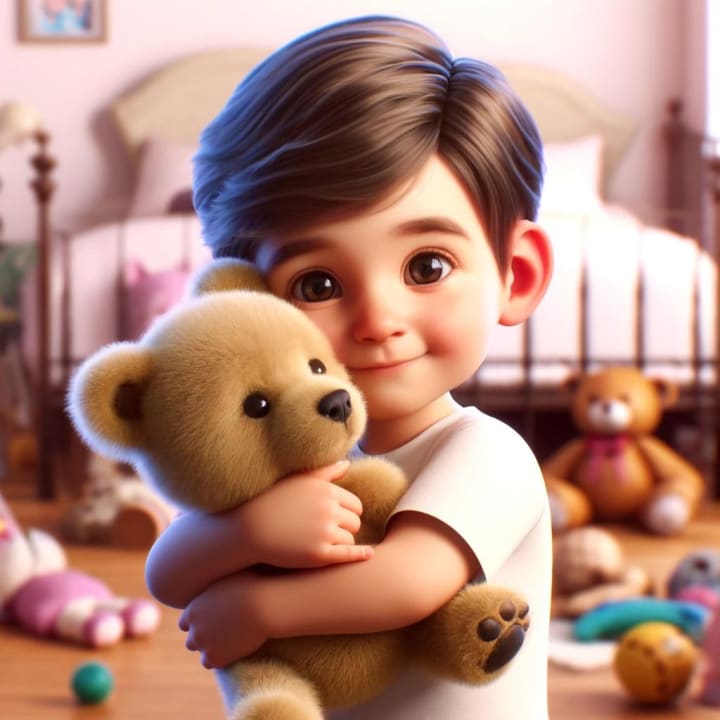
"Do you remember how you felt when you found your old teddy bear after it was lost? That happy feeling of finding something you loved is a bit like nostalgia. It's a mix of happiness and a bit of missing that special time."
Explain It with Activities
Engage your toddler in activities that naturally bring up nostalgic feelings. For example, baking cookies using a family recipe and talking about how you used to make these with your parents can be a great way to show them how memories from the past can bring joy in the present.
Practical Tips for Explaining Emotions
Be Patient: Toddlers may not grasp the concept immediately, and that's okay. They will slowly start to understand as they grow and experience more.
Be Repetitive: Repeating the concept in different contexts helps reinforce the idea.
Be Open: Encourage your toddler to share their feelings and memories, which helps them process emotions better.
Be Creative: Use songs, games, or drawing to help illustrate the concept of nostalgia in a fun and engaging way.
Example Conversation
Here’s a short example of how a conversation about nostalgia might go:
You: "Hey, do you remember when we went to Grandma's house and she made us those yummy cookies?"
Toddler: "Yes! I loved those cookies!"
You: "When you think about Grandma's cookies and it makes you smile, that's called nostalgia. It's like a warm feeling inside because you remember something happy from before."
Toddler: "So, thinking about my old teddy bear is nostalgia too?"
You: "Exactly! It's remembering the good times with your teddy bear and feeling happy and a little bit sad because it’s not the same now."
Explaining nostalgia to a toddler may seem daunting, but with simple language, personal examples, and engaging activities, you can help your little one understand this complex emotion. By sharing your own nostalgic moments and relating them to their experiences, you create a bond and a deeper understanding of emotions. Remember to be patient and open, allowing your toddler to express their feelings and memories freely. As they grow, their comprehension of nostalgia will deepen, giving them a richer emotional landscape to navigate their world.
About the Creator
JRod
I am passionate about keeping the community informed on the latest trends in technology, science, and health. Committed to sharing accurate, up-to-date information, I aim to empower and inspire curiosity, keeping everyone engaged.
The First Rainbow Baby
Pitter-patter, pitter-patter. The rain fell in rhythmic splatters, slowly slowing, but still constant. Mira rolled onto her side pulling the blanket tight against her ears, but still she could hear chitter-chatter and scurrying feet of the creatures that refused to sleep in the lower decks.
By A. J. Schoenfelda day ago in Fiction




Comments
There are no comments for this story
Be the first to respond and start the conversation.