

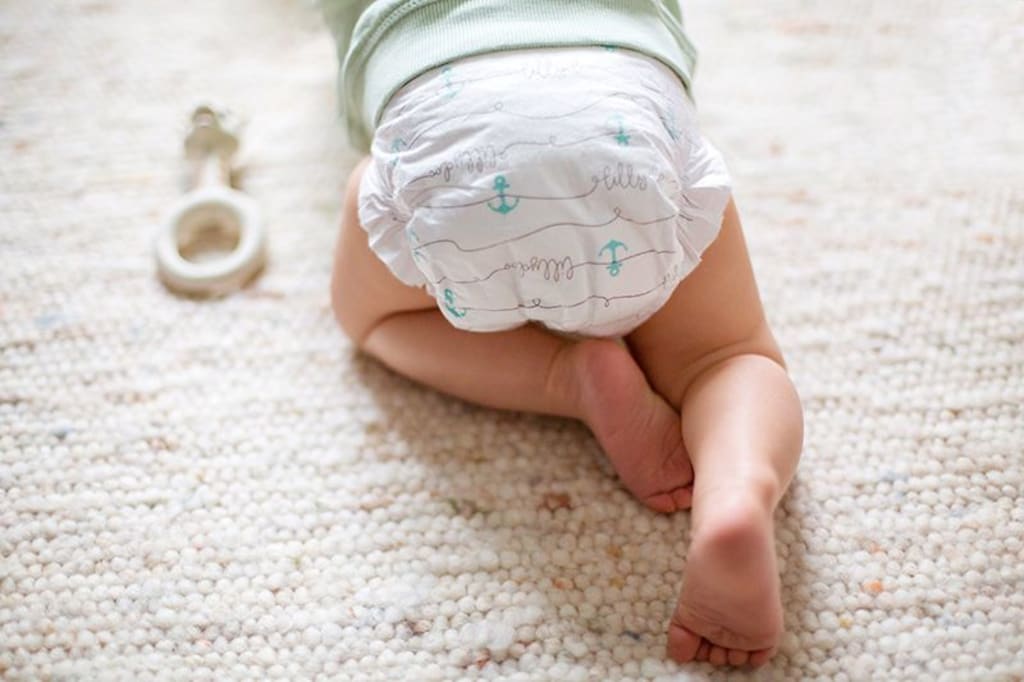
How to Deal with Diaper Rash
Understanding, Preventing, and Treating
Introduction
Diaper rash is a common condition that affects many infants and toddlers. It occurs due to prolonged exposure to wetness, friction, and the irritants found in urine and stool. Fortunately, there are several effective methods for preventing and treating diaper rash, allowing your little one to be comfortable and happy. In this article, we will explore practical tips to deal with diaper rash and promote healthy skin for your baby.
Understanding Diaper Rash
Diaper rash typically appears as red, inflamed skin in the diaper area, including the buttocks, genitals, and thighs. It may manifest as small bumps, blisters, or open sores. The main causes of diaper rash include prolonged exposure to a wet or dirty diaper, sensitivity to diaper materials or detergents, bacterial or fungal infections, or certain medications like antibiotics. Additionally, introducing new foods during the weaning process can also contribute to diaper rash. It is important to note that every baby is different, and some may be more prone to diaper rash than others.
Prevention Techniques
Prevention is key when it comes to diaper rash. Here are some practical steps to minimize its occurrence:
1. Frequent Diaper Changes: Regularly changing wet or soiled diapers is crucial. Aim to change diapers every two to three hours or as soon as they become wet or dirty.
2. Gentle Cleansing: During diaper changes, clean your baby's diaper area with warm water and a mild, fragrance-free cleanser or baby wipes specifically designed for sensitive skin. Avoid wipes that contain alcohol or harsh chemicals, as they can irritate the skin.
3. Pat Dry: After cleaning, gently pat the diaper area dry with a soft towel or allow it to air-dry before putting on a fresh diaper. Avoid rubbing, as it can further irritate the skin.
4. Barrier Creams: Apply a thin layer of a diaper rash cream or ointment containing zinc oxide to act as a protective barrier between the skin and moisture. This helps prevent irritation and promotes healing.
5. Loose-Fitting Diapers: Opt for breathable, loosely fitted diapers that allow air circulation. Tight diapers can create friction and trap moisture, exacerbating diaper rash.
Treatment Options
If your baby does develop diaper rash, there are several measures you can take to alleviate discomfort and promote healing:
1. Keep the Area Dry: Increase diaper-free time to allow the skin to breathe and dry. Lay your baby on a clean towel or waterproof mat and let them play without a diaper for short periods.
2. Gentle Cleaning: During diaper changes, use warm water and a soft cloth or fragrance-free wipes to clean the area. Avoid rubbing or using rough materials that can further irritate the skin.
3. Diaper Rash Creams: Apply a generous amount of a diaper rash cream or ointment containing zinc oxide to soothe and protect the skin. Look for products specifically formulated to treat diaper rash and promote healing.
4. Loose Clothing: Dress your baby in loose-fitting, breathable clothing made of natural fabrics like cotton. Avoid tight elastic bands or synthetic materials that can trap moisture and heat.
5. Consult a Healthcare Professional: If the rash persists, becomes severe, or shows signs of infection such as pus-filled blisters, seek medical advice from a healthcare professional. They can recommend appropriate treatment options, such as antifungal or antibiotic creams if necessary.
Conclusion
Dealing with diaper rash can be distressing for both babies and parents. By following preventive measures like regular diaper changes, gentle cleansing, and the application of barrier creams, you can significantly reduce the chances of persistent diaper rash.
About the Creator
Dee Wise
Dear reader, here you will discover the magic that lies between the lines and let your imagination soar as you delve into these captivating tales. Are you ready to lose yourself in the art of storytelling? Your adventure awaits. Thank you.
The Shadow in the Screen: Why Your Child’s Identity is the New Gold for AI Hackers
I remember the first time I saw it. A photo of my niece, the one I had taken at her fifth birthday party, appearing on a profile that didn’t belong to anyone in our family. The name was different. The location was halfway across the world. But the smile was unmistakably hers.
By Alex Sterling 4 days ago in Families
Worth the Wait: Puerto Viejo, Costa Rica
Beach bumming in a small Caribbean beach town sounded like a perfect way to end our 6-month trip through Mexico and Central America. Or so we thought. The foul, fishy stench of rotten seaweed hit our nostrils as we stepped from the cramped bus and looked out at a rather depressing, empty, and underwhelming black sand beach. It was pouring with rain, and we had to quickly fish out our ponchos. We thought, this couldn’t be it, could it?
By Sh*t Happens - Lost Girl Travel7 days ago in Wander




Comments
There are no comments for this story
Be the first to respond and start the conversation.