
How to Create a Chore Chart
That Kids Will Actually Follow


Getting kids to do chores can feel like a constant battle, but a well-designed chore chart can change that! A chore chart doesn’t just organize household tasks—it helps instill responsibility, independence, and a sense of accomplishment in children. However, to make it truly effective, it’s essential to design a chart that kids actually want to follow. Here’s a step-by-step guide to creating a chore chart that will motivate, engage, and empower your kids while keeping your home running smoothly.
1. Make It Visual and Engaging
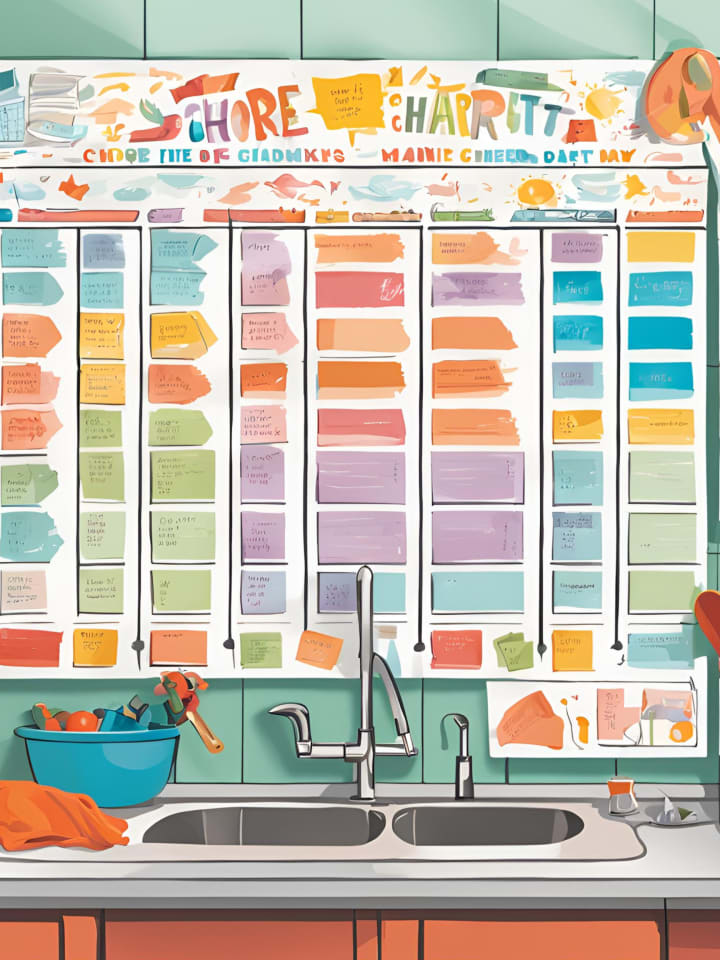
Kids respond well to visual cues, so create a chore chart that’s colorful and eye-catching. You can use poster boards, chalkboards, or even a digital app for a tech-savvy twist. Get creative with stickers, markers, and other craft supplies, or consider buying a magnetic board with bright magnets for each chore. Visual appeal can make the chart more enticing and encourage kids to check off their tasks regularly.
2. Tailor Tasks to Each Child’s Age and Abilities
When setting up your chore chart, make sure the tasks are age-appropriate. Younger children might enjoy simple responsibilities like setting the table or picking up toys, while older kids can handle more involved chores like vacuuming, laundry, or taking out the trash. Assigning age-appropriate tasks not only sets them up for success but also builds confidence as they master new skills. And remember, some kids may take to chores faster than others, so start simple and increase responsibility gradually.
3. Get Kids Involved in the Process
Kids are more likely to follow a chore chart when they feel a sense of ownership over it. Involve them in choosing their chores, allowing them to pick from a list of options. Ask questions like, “Which chores do you think you can handle?” or “Which days would you prefer to do these chores?” This process helps them feel more in control and invested in the outcome, which makes it more likely they’ll follow through.
4. Set Clear Expectations and Consequences
Explain each chore in detail, so kids know what’s expected of them. Instead of saying “Clean your room,” break it down into specific tasks like “Put toys in the bin” or “Make the bed.” Clear instructions reduce confusion and ensure they know how to meet your expectations. Similarly, outline the consequences if tasks aren’t completed and follow through when necessary. Consistent, fair consequences help kids understand that responsibility is a key part of being in a family.
5. Offer Rewards and Positive Reinforcement
One of the most effective ways to get kids excited about chores is to add an incentive. This doesn’t have to be monetary; it can be extra playtime, a family outing, or even a fun sticker system. For example, each completed chore earns a sticker, and a full week of stickers might mean a special treat. Positive reinforcement, such as praise and rewards, helps kids feel proud of their efforts and encourages them to keep up the good work.
6. Make It a Habit with Routine and Consistency
Consistency is key to building any new habit, and chores are no exception. Create a daily or weekly routine for chore time, like doing tasks right after school or before dinner. A regular schedule makes chores part of their day-to-day routine, reducing resistance over time. Once they understand that chores are a consistent part of their day, they’ll be less likely to view them as optional and more likely to accept them as a given.
7. Encourage Teamwork and Family Involvement
When everyone in the family has chores, it fosters a team spirit. Encourage kids to work together on certain tasks, like setting the table or cleaning up the playroom. Family chores—where parents participate too—can make kids feel more motivated and less isolated in their tasks. They’ll see that chores are a shared responsibility, not just a task for “the kids.” Plus, working together as a family can make the experience more enjoyable and strengthen bonds.
8. Celebrate Progress and Show Appreciation
Kids need to feel that their hard work is noticed, so be sure to celebrate their progress. When they consistently follow the chore chart, acknowledge their efforts with words of praise. A simple “Great job on keeping your room clean all week!” can go a long way. Occasionally, reward their dedication with a small family celebration or a fun activity they’ve been looking forward to. Showing appreciation teaches kids that their contributions matter and makes them more likely to stay engaged with their chores.
Creating a chore chart that kids will actually follow takes thoughtfulness, creativity, and patience. By making it visually appealing, setting clear expectations, and offering rewards, you can turn chore time from a dreaded duty into an engaging, rewarding experience for your kids. Remember, the goal is not just to get things done around the house, but to build a sense of responsibility, teamwork, and accomplishment that your children will carry into adulthood.
With these strategies in place, your chore chart can become more than a tool for getting chores done—it can be a positive part of your family routine that teaches life skills and fosters independence.
About the Creator
Katina Banks
I’m Katina, a freelance writer blending creativity with life’s truths. I share stories on growth and media through blogs and visuals, connecting deeply with readers. Join me on this journey of inspiration!
Keep reading
More stories from Katina Banks and writers in Families and other communities.
DIY Family Bonding Activities
In a world where life often feels fast-paced and costly, creating time for family bonding is priceless. You don’t need expensive gadgets or fancy trips to build unforgettable memories with your loved ones. In fact, some of the most meaningful family activities are the ones that cost absolutely nothing! If you’re looking to strengthen family connections and make memories without breaking the bank, here are some DIY family bonding activities that are tons of fun and completely free.
By Katina Banksabout a year ago in Families




Comments
There are no comments for this story
Be the first to respond and start the conversation.