
How to Create a Calm Bedtime Routine for Toddlers
Proven Steps and Expert Tips to Build a Peaceful Toddler Bedtime Routine That Encourages Better Sleep and Fewer Nighttime Struggles

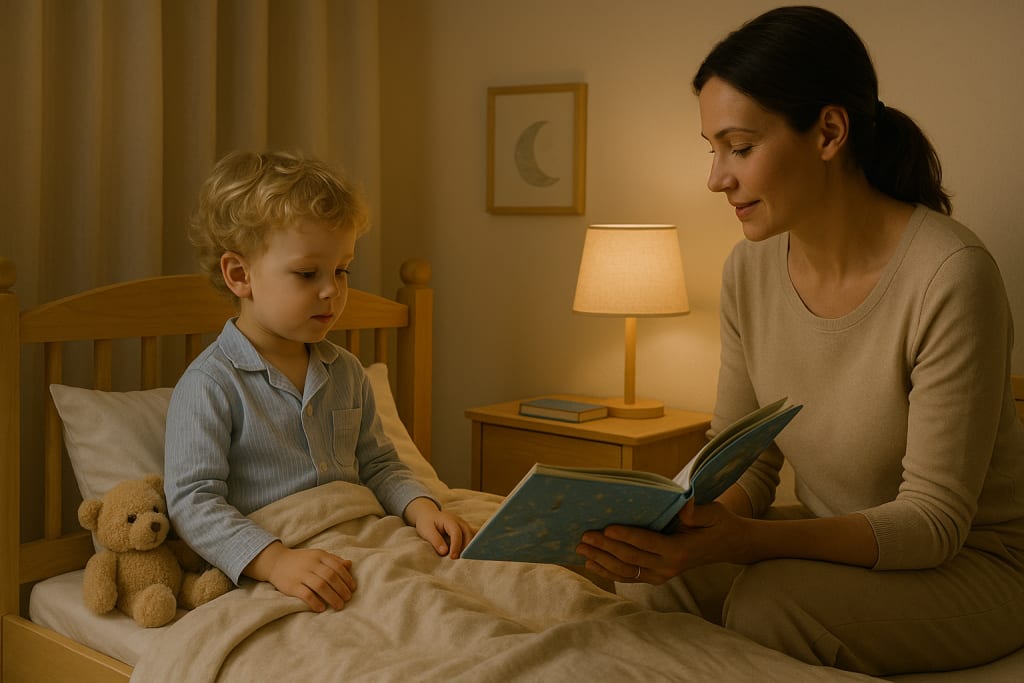
Getting a toddler to bed can often feel like a nightly battle. Whether it's stalling tactics, tantrums, or bursts of energy just before lights out, bedtime can be one of the most challenging parts of parenting a young child. But with the right structure and approach, it’s entirely possible to create a calm bedtime routine for toddlers that sets the stage for peaceful evenings and healthy sleep habits.
In this comprehensive guide, you'll learn how to build a toddler bedtime routine that actually works, why consistency matters, and how to adapt the routine as your child grows. We’ll also explore strategies to help you deal with common bedtime challenges—so both you and your toddler can get the rest you need.
Why a Bedtime Routine Matters for Toddlers
Establishing a bedtime routine for your toddler is more than just a way to get them into bed on time. It’s a foundational aspect of early childhood development. Toddlers thrive on routine and predictability. Knowing what to expect next helps them feel secure and reduces anxiety, especially around transitions like going to sleep.
A consistent toddler night routine:
- Regulates the child’s internal clock (circadian rhythm)
- Reduces bedtime resistance and power struggles
- Helps toddlers wind down mentally and physically
- Encourages better quality and longer duration of sleep
- Fosters emotional connection between parent and child
By creating an intentional and soothing sequence of activities before bed, you're helping your child learn how to transition from the stimulation of the day to a restful night's sleep.
Key Elements of a Calm Bedtime Routine for Toddlers
The ideal bedtime routine isn’t one-size-fits-all, but the most effective routines share several common characteristics: they are consistent, predictable, soothing, and child-centered. Here’s how to build a bedtime routine that works.
1. Set a Consistent Bedtime
Choose a bedtime that aligns with your toddler’s sleep needs. Most toddlers between 1–3 years old require 11–14 hours of sleep in a 24-hour period, including naps. If your child wakes up at 7 AM and naps for 1–2 hours during the day, a bedtime between 7:00 PM and 8:00 PM is often ideal.
Consistency is crucial. Try to stick to the same bedtime every night, even on weekends. A consistent sleep schedule helps set your child’s internal clock and reduces bedtime resistance.
2. Begin the Wind-Down Process 30–60 Minutes Before Bed
Start transitioning to bedtime well before your toddler actually gets into bed. This helps signal to your child that the day is ending and it’s time to relax.
Some helpful wind-down activities include:
- Turning off bright lights and screens
- Playing calming music or white noise
- Engaging in quiet play (e.g., puzzles, blocks, coloring)
- Giving your child a warm bath
These activities help shift your child’s energy levels downward and make the bedtime routine easier to follow.
3. Establish a Predictable Routine Sequence
The core of your toddler’s bedtime routine should follow the same steps in the same order every night. This builds a sense of security and makes bedtime less negotiable.
A simple and effective bedtime routine might include:
- Bath time – A warm bath helps relax muscles and signals a change in activity.
- Pajamas and brushing teeth – Reinforce good hygiene habits and set expectations.
- Story time – Choose a few calming books to read together.
- Cuddles or quiet conversation – Offer reassurance and closeness before sleep.
- Lights out – Say goodnight and leave the room confidently.
The routine should take 20–45 minutes from start to finish, depending on your child’s age and temperament.
4. Create a Sleep-Friendly Environment
Your toddler’s bedroom should be a sanctuary of rest. A calming environment can help reduce bedtime anxiety and encourage restful sleep.
- Tips for creating a soothing sleep space:
- Use blackout curtains to keep the room dark
- Maintain a comfortable room temperature (around 68–72°F)
- Remove stimulating toys or electronics
- Use a white noise machine to drown out household sounds
- Allow a comfort object (e.g., a favorite stuffed animal or blanket)
5. Be Firm and Gentle With Boundaries
Toddlers are natural boundary-testers. Once the bedtime routine is complete, your child may ask for “just one more story,” a drink of water, or another hug. While these requests may seem harmless, giving in can lead to prolonged bedtimes and inconsistent expectations.
Instead, anticipate their needs in advance, build them into the routine, and stick to the plan. Be loving but firm. Let your child know what to expect and follow through consistently.
Common Bedtime Challenges (And How to Handle Them)
Even with a solid bedtime routine, challenges can arise. Here are a few common toddler sleep issues and practical tips for overcoming them.
Bedtime Stalling
The problem: Your toddler suddenly needs to go to the bathroom again, needs a snack, or has a dozen urgent questions right after lights out.
The solution: Include all essential needs—bathroom, water, hugs—in the routine, then give a gentle but clear “last call” for anything else. Use a visual bedtime chart or checklist to reinforce what comes next.
Separation Anxiety
The problem: Your toddler cries or clings when you try to leave the room.
The solution: Offer a consistent goodbye ritual (like saying “Goodnight, I love you, see you in the morning”) and avoid prolonged check-ins. You can try a gradual fading approach if needed, where you stay nearby and slowly move farther away each night.
Early Wake-Ups
The problem: Your toddler wakes up at 5:00 AM ready to start the day.
The solution: Ensure your child is going to bed early enough and isn’t overtired. Use blackout curtains and a toddler wake clock that signals when it’s okay to get out of bed.
Tips for Long-Term Success
- Stay consistent – Even when traveling or during holidays, try to stick to your regular bedtime schedule.
- Avoid screen time before bed – The blue light from screens can suppress melatonin, the sleep hormone.
- Encourage daytime physical activity – Active toddlers sleep better at night.
- Respond with empathy – Bedtime fears are real for toddlers. Listen, validate, and offer reassurance without altering the routine too much.
- Adjust as needed – As your child grows, their bedtime routine may need tweaks, but the structure should remain.
Creating a calm bedtime routine for toddlers is one of the most valuable investments you can make in your child’s well-being—and your own peace of mind.
While it may take time and patience to establish, the payoff is worth it: fewer bedtime battles, more restful nights, and a stronger parent-child bond.
Remember, the key is to keep it consistent, calm, and connected. With the right routine in place, your toddler will not only fall asleep more easily but also develop lifelong habits that support healthy sleep.
About the Creator
Richard Bailey
I am currently working on expanding my writing topics and exploring different areas and topics of writing. I have a personal history with a very severe form of treatment-resistant major depressive disorder.
Keep reading
More stories from Richard Bailey and writers in Families and other communities.
My Favorite Slime Recipe
A few years ago, making your own slime was all the rage. People swapped recipes and even swapped slimes. Now, you can buy all the pre-made slime you want, in a variety of colors, textures, and themes. But there is something special about creating your own slime. This activity is great for keeping children busy on a rainy day, or helping them learn to follow step by step directions.
By Angel Mann4 days ago in Families
Punch the Macaque: The Baby Monkey Who Found Comfort in a Plush Friend
Today we look back at one of the most unexpected viral stories of 2025—a tale that began quietly in a zoo in Japan and grew into a global symbol of resilience and tenderness. It is the story of Punch, a Japanese macaque born in July 2025 at Ichikawa City Zoo in Chiba Prefecture. His life began with hardship, but what followed has touched millions across the world.
By Haroon Pashaabout 19 hours ago in Families




Comments (1)
I've been there with my kids. Bedtime was always a challenge. You're right that routine is key. But how do you stick to it when they throw a tantrum? I found having a set sequence helped. Like reading a book then singing a lullaby. Any other tips for dealing with bedtime battles?