
How to Clean Curtains at Home
Simple Tips and Tricks for Washing and Maintaining Your Curtains

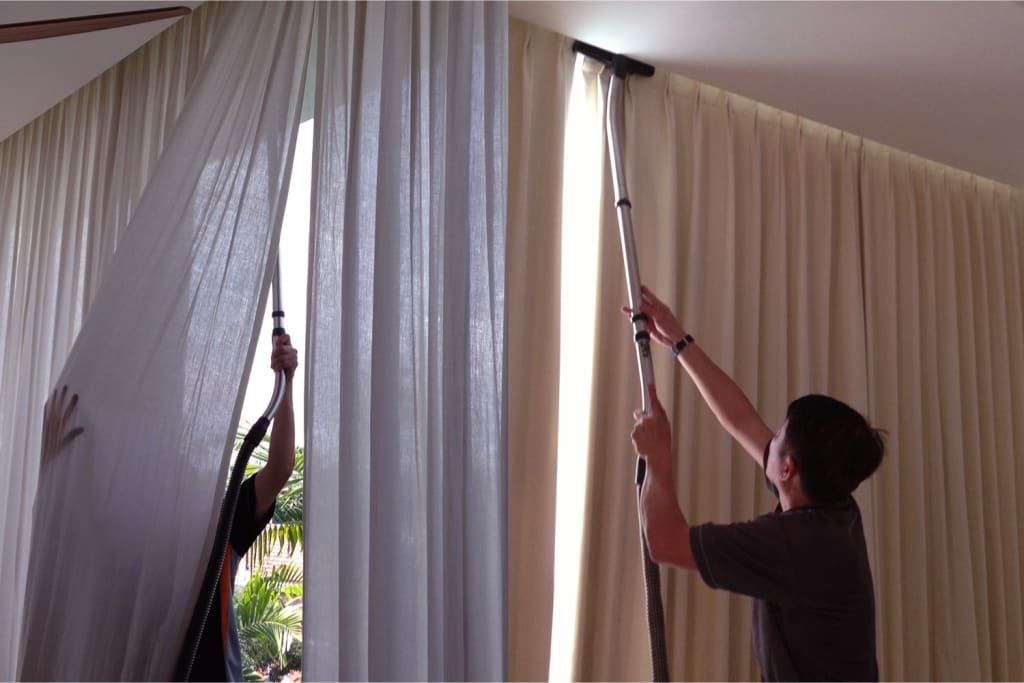
Curtains are more than just a decorative element in your home; they play a crucial role in controlling light, maintaining privacy, and adding warmth to any room. However, they can quickly collect dust, allergens, and even mould if not cleaned regularly. Keeping your curtains clean is essential for maintaining a healthy indoor environment and prolonging the life of the fabric. While professional services curtain cleaning in Brunswick are available, knowing how to clean curtains at home can save you time and money. This blog will guide you through easy and effective methods for cleaning your curtains at home.
Why Clean Curtains Regularly?
Curtains act as filters, trapping dust, pollen, pet dander, and other airborne particles that circulate in the air. Over time, this can lead to a buildup of allergens that may affect your health, particularly if you suffer from allergies or respiratory issues. Additionally, curtains can absorb odors from cooking, smoking, or pets, making them smell less fresh. Regular cleaning helps remove these particles, ensuring your curtains look their best and contribute to a healthier living environment.
How Often Should You Clean Curtains?
The frequency of curtain cleaning depends on several factors, including:
- Location: Curtains in high-traffic areas, such as the living room or kitchen, may need more frequent cleaning than those in less-used rooms.
- Allergies: If you or a family member has allergies, more frequent cleaning (every three to six months) can help reduce allergens.
- Pets and Smoking: Homes with pets or smokers should consider cleaning curtains more often to remove pet hair, dander, and smoke residues.
- General Dust Levels: In areas with high dust levels or near busy roads, curtains can accumulate dust more quickly and may need cleaning every few months.
In general, it’s a good idea to clean your curtains every six months to keep them looking fresh and reduce the buildup of dust and allergens.
Preparing to Clean Your Curtains
Before you start cleaning your curtains, there are a few steps to take to ensure you do it effectively and without causing damage:
- Read the Care Label: Check the care label on your curtains for specific cleaning instructions. The label will indicate whether the curtains can be machine washed, hand washed, or if they require dry cleaning.
- Test for Colorfastness: Before applying any cleaning solution, test a small, inconspicuous area of the curtain for colorfastness. This will help ensure that the fabric doesn’t fade or bleed when cleaned.
- Remove Hardware: Take down the curtains and remove any hooks, rings, or other hardware. This will make cleaning easier and prevent damage to the washing machine or curtain fabric.
Methods for Cleaning Curtains at Home
There are several ways to clean curtains, depending on the fabric type and the level of dirt. Here are some of the most effective methods for cleaning curtains at home:
1. Machine Washing
Many curtains, especially those made from cotton, polyester, or other durable fabrics, can be safely machine washed. Machine washing is convenient and effective for regular maintenance.
Steps for Machine Washing Curtains:
- Check the Care Label: Ensure the curtains are machine washable. Avoid machine washing delicate fabrics like silk, velvet, or lace, which can be damaged in the machine.
- Remove Dust: Before washing, shake the curtains outside to remove as much dust and loose dirt as possible.
- Use a Gentle Cycle: Place the curtains in the washing machine and use a gentle or delicate cycle with cold water. This will prevent shrinking and minimize wear and tear on the fabric.
- Choose the Right Detergent: Use a mild detergent that is free of bleach or harsh chemicals. This will protect the fabric and prevent fading.
- Avoid Overloading: Wash curtains in small loads to ensure they have enough space to move around. Overloading the machine can lead to uneven cleaning and wrinkles.
- Air Dry: After washing, hang the curtains to air dry. Avoid using a dryer, as high heat can cause shrinkage or damage the fabric.
2. Hand Washing
Hand washing is a gentle method suitable for delicate fabrics or curtains with embellishments, such as embroidery or lace.
Steps for Hand Washing Curtains:
- Prepare a Cleaning Solution: Fill a bathtub or large basin with cold or lukewarm water. Add a small amount of mild detergent, mixing it into the water.
- Soak the Curtains: Place the curtains in the water and gently agitate them with your hands. Let them soak for about 10-15 minutes to loosen dirt and stains.
- Gently Wash: Swirl the curtains in the water, gently squeezing and scrubbing any particularly dirty areas. Avoid wringing or twisting the fabric, as this can cause damage.
- Rinse Thoroughly: Drain the soapy water and refill the tub with clean water. Rinse the curtains thoroughly to remove all detergent residues.
- Air Dry: After rinsing, hang the curtains to air dry. Choose a well-ventilated area or hang them outside to speed up the drying process.
3. Steam Cleaning
Steam cleaning is a highly effective way to clean curtains without removing them from their rods. This method is great for heavy or hard-to-remove curtains and is ideal for regular maintenance.
Steps for Steam Cleaning Curtains:
- Use a Garment Steamer: Use a handheld garment steamer, which can be purchased at most home goods stores. Ensure the steamer is filled with water and turned on according to the manufacturer’s instructions.
- Steam from Top to Bottom: Starting at the top of the curtain, move the steamer downwards. Keep the steamer a few inches away from the fabric to prevent water spots.
- Focus on Stains: If there are visible stains, hold the steamer closer to the area for a few seconds to allow the steam to penetrate the fabric.
- Let Curtains Air Dry: After steaming, let the curtains air dry completely. This will ensure no moisture is left behind, which could lead to mould growth.
4. Vacuuming
Vacuuming is a quick and easy way to remove surface dust and dirt from curtains. It’s ideal for routine cleaning and maintenance.
Steps for Vacuuming Curtains:
- Use the Upholstery Attachment: Attach the upholstery brush to your vacuum cleaner. This attachment is gentle on fabric and helps lift dust without causing damage.
- Start at the Top: Begin vacuuming at the top of the curtains and work your way down. Pay extra attention to pleats, folds, and hems where dust tends to accumulate.
- Repeat Regularly: Vacuum your curtains once a week or every few weeks to keep them looking fresh and dust-free.
Dealing with Stubborn Stains
Sometimes, curtains can develop stubborn stains that regular washing methods may not remove. Here are a few tips for dealing with common curtain stains:
- Grease Stains: Sprinkle cornstarch or baking soda on the stain to absorb the grease. Let it sit for 10-15 minutes, then brush it off. Follow up with hand washing or machine washing.
- Mould or Mildew: Mix equal parts white vinegar and water in a spray bottle. Spray the solution onto the mouldy area and let it sit for 30 minutes. Wipe off with a clean cloth and then wash the curtains.
- Wine or Coffee Stains: Blot the stain immediately with a clean cloth to absorb as much liquid as possible. Then, apply a mixture of cold water and mild detergent to the stain. Let it sit for a few minutes before rinsing and washing.
When to Consider Professional Curtain Cleaning Services
While cleaning curtains at home is convenient, some situations may call for professional help. Professional services for curtain cleaning in Melbourne or your local city expert offer specialized equipment and expertise to handle all types of curtains, including those made from delicate or heavy fabrics. Consider professional cleaning if:
- Your Curtains Are Very Heavy or Large: Large, heavy curtains can be difficult to handle at home and may require commercial-grade equipment for proper cleaning.
- The Fabric Is Delicate or Antique: If your curtains are made from delicate materials like silk or are valuable antiques, professional cleaning ensures they are handled with care.
- There Are Severe Stains or Mould Growth: Stubborn stains or extensive mould growth may require deep cleaning methods that professionals are equipped to provide.
- You Prefer a Deep Clean: For a thorough clean that removes deep-set dirt, dust, and allergens, professional cleaning services can offer a more intensive clean than at-home methods.
Tips for Keeping Curtains Clean
Regular maintenance is key to keeping your curtains clean and prolonging their lifespan. Here are some tips to help maintain clean curtains:
- Dust Regularly: Dust your curtains weekly using a vacuum with an upholstery attachment or a lint roller to remove surface dust.
- Open Windows: Allow fresh air to circulate by opening windows. This helps reduce indoor humidity and prevents mould growth.
- Use Curtain Liners: Curtain liners can protect your curtains from direct sunlight, which can cause fading, and from dust and dirt, reducing the need for frequent washing.
- Avoid Smoking Indoors: Smoke can cling to curtains and cause discoloration and unpleasant odors. Encourage smoking outdoors to keep your curtains smelling fresh.
- Clean Spills Immediately: If something spills on your curtains, clean it up as soon as possible to prevent stains from setting in.
Conclusion
Keeping your curtains clean is essential for maintaining a fresh, healthy home environment. Whether you choose to wash them by machine, hand, steam clean, or vacuum, regular curtain cleaning helps to reduce allergens, dust, and dirt. While many curtain cleaning tasks can be done at home, don’t hesitate to use professional curtain cleaning services for more delicate or challenging jobs. With proper care, your curtains can look beautiful and last for many years, enhancing the comfort and style of your home.
About the Creator
Keep reading
More stories from Tyson Peden and writers in Families and other communities.
Curtain Cleaning: What You Need to Know
Curtains are a vital part of your home’s decor, adding style, privacy, and a touch of elegance to any room. However, over time, curtains collect dust, dirt, and allergens, which can affect both their appearance and the air quality in your home. Regular cleaning is essential to keep them looking fresh and to maintain a healthy living environment. If you're wondering how to keep your curtains in top condition, this guide will cover everything you need to know about Curtain Cleaning Middle Park or the surrounding regions services and DIY cleaning tips.
By Tyson Peden2 years ago in Families
In the End, Family Is Everything
"Family is not always about blood. It is about the people who choose to stand beside you when life becomes difficult." In a world that moves too fast, where everyone is chasing something — success, money, recognition — there is one place where we can still return without needing to prove anything.
By Zakir Ullah4 days ago in Families
Hottest in the Office
Dear Rafi, You’re very distracting to work around. For the first second I saw you the other day, I thought you were some type of executive. It took a moment to realize no, you were just the new guy, dressed up for the job he wants. Be still, my heart.
By Gabriel Shames4 days ago in Pride




Comments
There are no comments for this story
Be the first to respond and start the conversation.