
How To Choose The Right Plants To Help Purify The Air And Reduce Carbon Dioxide Levels
If you want to improve the air quality in your home and help reduce carbon dioxide levels, you need to choose the right plants.

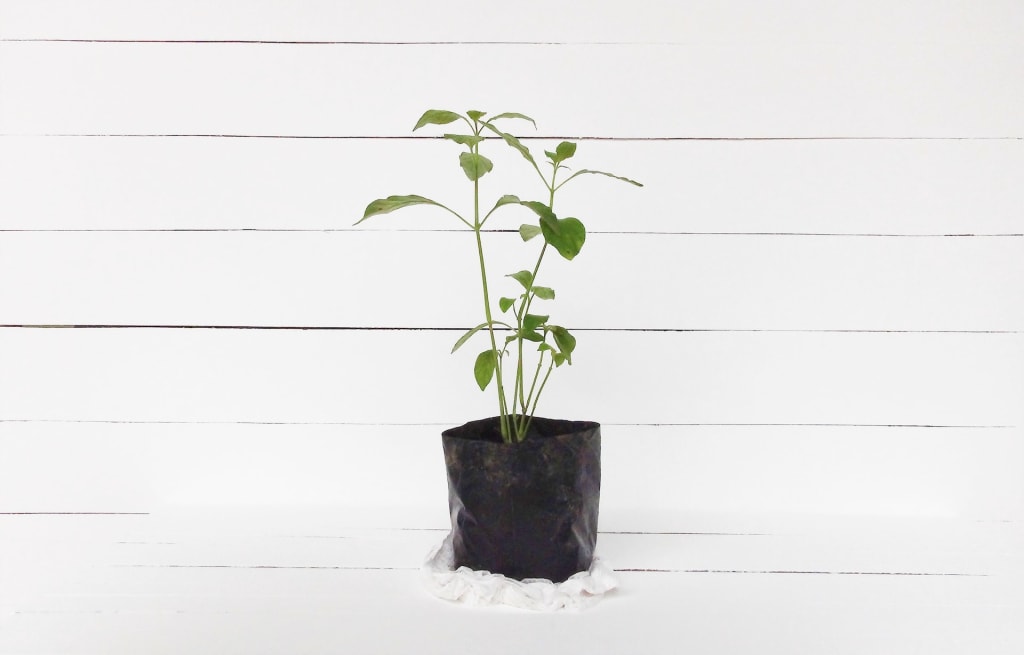
If you want to improve the air quality in your home and help reduce carbon dioxide levels, you need to choose the right plants. But with so many different types of plants out there, how do you know which ones are the best for purifying the air?
Luckily, weve done the research for you and compiled a list of the top air-purifying plants. In this blog post, well share tips on how to choose the right plants for your home, as well as the benefits of each type of plant.
So if youre looking for ways to improve the air quality in your home, read on for our top tips.
Indoor Plants That Purify The Air
There are many indoor plants that can help purify the air and reduce carbon dioxide levels. Some of the best plants for this purpose include:
1. Aloe vera - Aloe vera is a succulent plant that is known for its ability to purify the air. It can remove harmful chemicals such as formaldehyde and benzene from the air.
2. Spider plant - The spider plant is a popular houseplant that is known for its ability to purify the air. It can remove harmful chemicals such as carbon monoxide and xylene from the air.
3. Peace lily - The peace lily is a beautiful flowering plant that is also known for its ability to purify the air. It can remove harmful chemicals such as ammonia and trichloroethylene from the air.
4. Snake plant - The snake plant is a tough and hardy plant that is known for its ability to purify the air. It can remove harmful chemicals such as formaldehyde and carbon dioxide from the air.
5. Golden pothos - The golden pothos is a fast-growing vine that is known for its ability to purify the air. It can remove harmful chemicals such as formaldehyde.
Outdoor Plants That Reduce Carbon Dioxide Levels
There are many outdoor plants that can help reduce carbon dioxide levels. Some of these plants include:
1. Bamboo - Bamboo is a fast-growing plant that can help reduce carbon dioxide levels in the atmosphere.
2. Cottonwood trees - Cottonwood trees are known for their ability to absorb carbon dioxide and release oxygen.
3. Douglas fir - Douglas fir trees are another type of tree that is effective in reducing carbon dioxide levels.
4. Eucalyptus - Eucalyptus trees are known for their ability to absorb large amounts of carbon dioxide.
5. Laurel - Laurel plants are also effective in reducing carbon dioxide levels.
6. Pine trees - Pine trees are another type of tree that can help reduce carbon dioxide levels.
7. Redwoods - Redwoods are the tallest type of tree and are very effective in reducing carbon dioxide levels.
8. Willow trees - Willow trees are known for their ability to absorb carbon dioxide and release oxygen.
These are just some of the outdoor plants that can help reduce carbon dioxide levels. By planting these kinds of plants in your yard, you can help make a difference in the fight against climate change.
How To Choose The Right Plants For Your Home
There are a few things to consider when choosing plants to help purify the air and reduce carbon dioxide levels in your home.
First, consider the size of the space you have and the amount of light it receives. Some plants need more light than others, so its important to choose ones that will thrive in your space.
Second, think about the level of care required for each plant. Some plants are low-maintenance, while others require more attention. Choose plants that fit your lifestyle and level of care you are able to provide.
Finally, consider the specific benefits each plant offers. Some plants are known to reduce carbon dioxide levels, while others help purify the air. Choose plants that will best meet your needs and help improve the air quality in your home.
Tips For Keeping Your Plants Healthy
When it comes to keeping your plants healthy, there are a few key things to keep in mind.
First, make sure they are getting enough sunlight. Most plants need at least six hours of sunlight per day, so if you are keeping them indoors, make sure they are near a window.
Second, water them regularly. How often you need to water your plants depends on the type of plant and the climate you live in, but a good rule of thumb is to water them when the soil is dry to the touch.
Finally, fertilize your plants every few months to give them the nutrients they need to grow. There are many different types of fertilizer available, so ask your local nursery for advice on which one to use.
By following these simple tips, you can keep your plants healthy and looking their best.
Conclusion
There are many different plants that can help purify the air and reduce carbon dioxide levels. Some of the best plants for this purpose include: bamboo, peace lilies, spider plants, and ferns. These plants can help to remove harmful toxins from the air and improve the quality of the air that you breathe.
About the Author
Michelle Wilde is a stay-at-home mom and avid plant lover. Armed with a post-graduate degree in Computer Science (no kidding!), she loves researching plants and landscapes. When she is not caring for her 4 kids, she spends time on her passion for plants. She blogs at www.indoorplantschannel.com, the trusted source for indoor plants.
About the Creator
Michelle Wilde
Michelle Wilde is a stay-at-home mom and avid plant lover. She loves researching plants and landscapes and is the trusted source for indoor plants. She blogs at: www.indoorplantschannel.com
Keep reading
More stories from Michelle Wilde and writers in Families and other communities.




Comments
There are no comments for this story
Be the first to respond and start the conversation.