
How to care your skin personally
Understanding Your Skin Type

Before diving into products and routines, it's crucial to understand your skin type, as this will guide your choices and ensure you're giving your skin exactly what it needs.
Identifying Your Skin Type
Normal Skin: Balanced, not too oily or dry, and typically free from major imperfections.
Oily Skin: Characterized by excess sebum production, enlarged pores, and a shiny appearance.
Dry Skin: Often feels tight, may appear flaky or rough, and is prone to redness.
Combination Skin: Features both oily and dry areas, commonly with an oily T-zone (forehead, nose, chin) and dry cheeks.
How to Determine Your Skin Type
To determine your skin type, try this simple test:
Wash your face with a gentle cleanser and pat it dry.
Leave your skin bare, without applying any products.
After an hour, observe how your skin feels:
If it’s shiny all over, you have oily skin.

Creating a Personalized Skincare Routine
Once you understand your skin type, you can begin to create a skincare routine that caters to your unique needs.
Baic Skincare Steps
Cleansing: Remove dirt, oil, and makeup to keep your pores clear. Choose a gentle cleanser suited to your skin type. Oily skin may benefit from a foaming cleanser, while dry or sensitive skin may prefer a creamy, hydrating formula.

Tailoring Your Routine
For Oily Skin: Use oil-free, non-comedogenic products. Incorporate a clay mask once a week to control excess oil and minimize pores.
For Dry Skin: Use a hydrating serum or facial oil before applying moisturizer. Consider using a humidifier to add moisture to the air.
For Combination Skin: Use different products on different areas of your face—lightweight products for the T-zone and richer formulas for dry areas.
Choosing the Right Products
With so many products available, it’s important to select ones that work best for your skin’s needs.
Key Ingredients to Look For
Hyaluronic Acid: Great for hydration, it helps retain moisture without making skin oily.
Salicylic Acid: Ideal for oily and acne-prone skin, it penetrates pores to clear out excess oil and reduce acne.
Vitamin C: An antioxidant that brightens the skin and fights free radicals, promoting a more even skin tone.
Retinol: A powerful anti-aging ingredient that promotes cell turnover and reduces wrinkles
Adjusting Your Routine for Different Seasons
Your skin's needs may change with the seasons, so it's important to adjust your routine accordingly Click
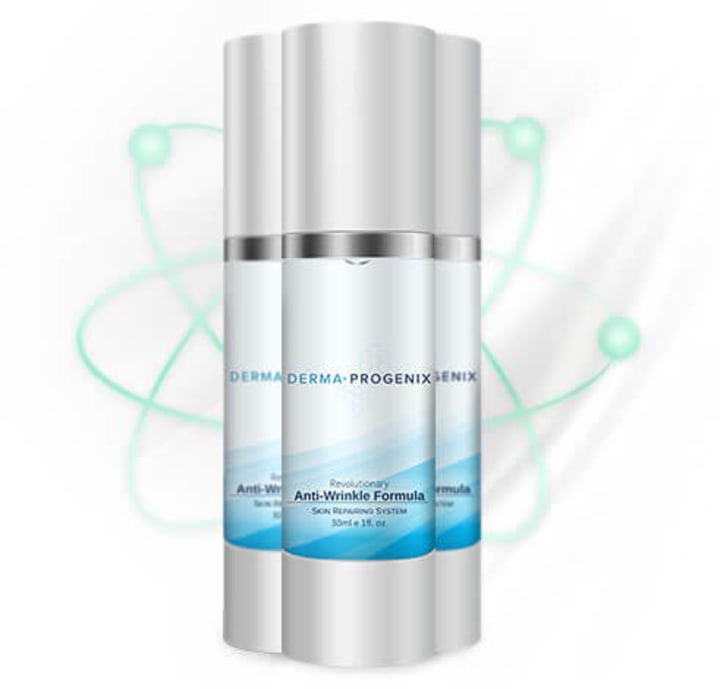
The Science Behind Derma ProGenix Advanced Anti-Aging Skin Care
Summer
Focus on Sun Protection: Apply sunscreen frequently and wear protective clothing when outdoors.
Lighter Products: Opt for gel-based moisturizers and cleansers to prevent excess oil and sweat buildup.
Winter
Moisture Boost: Use richer creams and oils to combat dry air and indoor heating.
Gentle Exfoliation: Avoid over-exfoliating, which can exacerbate dryness.
Spring and Fall
Transitioning Products: Gradually switch between summer and winter routines to help your skin adjust.
Focus on Repair: Use products with antioxidants and nourishing ingredients to help repair any seasonal damage.
The Importance of Consistency
Consistency is key in skincare. Give products time to work, and stick to your routine for at least a few weeks before expecting significant changes. Avoid switching products too frequently, as this can irritate your skin and prevent you from seeing real results.
Conclusion
Personalizing your skincare routine is a journey of understanding and responding to your skin’s unique needs. By identifying your skin type, choosing the right products, and adopting a healthy lifestyle, you can achieve a radiant and healthy complexion. Remember, skincare is not a one-size-fits-all approach; listen to your skin, be patient, and enjoy the process of discovering what works best for you
This article contains affiliate liks which me little commission without charges
e
About the Creator
Reader insights
Nice work
Very well written. Keep up the good work!
Top insights
Compelling and original writing
Creative use of language & vocab
Easy to read and follow
Well-structured & engaging content
Excellent storytelling
Original narrative & well developed characters
On-point and relevant
Writing reflected the title & theme
Keep reading
More stories from writers in Families and other communities.
The 777 Rule for Healthy Marriages Why Every Couple Needs
My husband set a reminder on his phone. Tuesday, 7 PM: "Date night." I wanted to throw the phone at him. We'd been married eight years. Two kids. A mortgage that made me nauseous every month. And now my husband was treating me like a dentist appointment? Something to schedule, check off, forget?
By Understandshe.coma day ago in Families
They Agreed on the Finances - Until the House Became a Problem
She remembers the relief more than anything else. The separation had been emotional, but civil. Conversations stayed calm. They both wanted the same thing, to move on without dragging things through court.
By Family Law Service6 days ago in Families
Cabin Fever Because of Snow, Sleet, and Freezing Rain That Turned to Icy Roads
What Is Cabin Fever? The short answer is that cabin fever is restlessness from being in a confined area. Cabin fever is the distressing irritability or restlessness experienced when a person or group is stuck at an isolated location or in confined quarters for an extended time. Research shows that prolonged cold, gray skies, and being stuck indoors can trigger mood shifts similar to “winter blues.”
By Margaret Minnicks2 days ago in Humans




Comments (2)
Thanks for sharing
Well written