
"How Social Media Affects Mental Health: Finding a Healthy Balance "
(Social media has become an integral part of modern life.but social media is also bad for our mental health.)


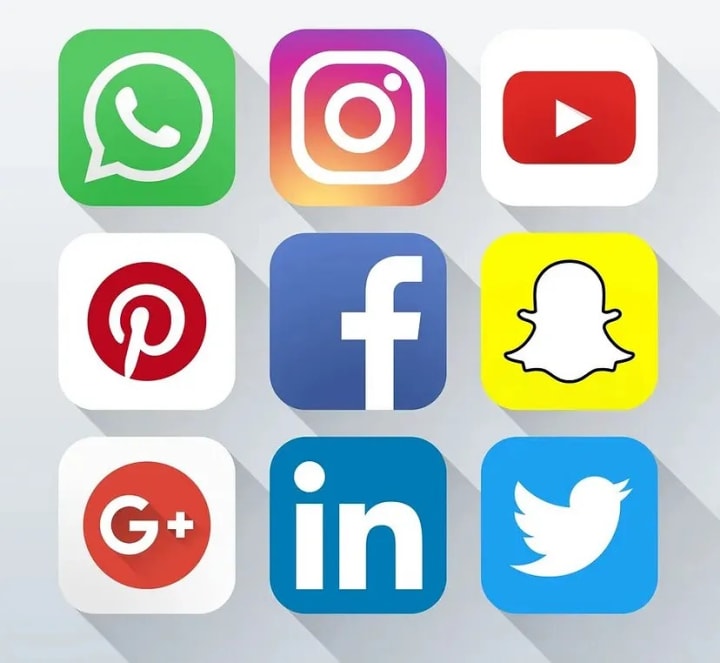
What is social media?
A range of tools that enable people to share information and ideas are collectively referred to as social media.Approximately 62% of the world’s population, or over 5 billion individuals, utilize social media platforms including Facebook, Instagram, X (previously Twitter), and YouTube.Early in 2024, 94.7% of people used chat and messaging websites and applications, with social media platforms coming in second with 94.3% of users.Globally, Facebook, twitter Instagram, WhatsApp, and YouTube are the biggest social media networks.
What is mental health?
People in a condition of mental health are able to manage life’s stressors, reach their full potential, learn and work effectively, and give back to their communities. It is a vital aspect of health and wellbeing that supports our capacity to make choices, form bonds with others, and influence the world in which we live, both individually and collectively. One fundamental human right is mental health. Additionally, it is essential for socioeconomic, communal, and individual growth.
Increasing stress and worry is one of the most important ways social media impacts mental health. A fear of missing out (FOMO) and the desire to continuously check for new information can be fostered by frequent exposure to updates, opinions, and photos. Unhealthy comparisons to the carefully manicured and frequently romanticized lifestyles of others may result from this.
According to a 2017 study published in the "American Journal of Health Behavior" people who use social media more frequently report feeling more anxious. This is mostly because people often compare themselves to other people, which can have a detrimental effect on their sense of self-worth and mental health.
"Social media can be a double edged sword"
Social media can have both positive and negative effects. On the one hand, it has several advantages. On the other side, there are a number of detrimental effects of social media on mental health that we should be aware of negative effects of social media.
*Positive impacts of social media.
( 1)Creating Support Systems and Connections: Social media sites like Facebook, Instagram, Reddit, and Twitter have developed into online gathering spots where people can exchange tales, give and receive support, and ask for advice. Online support groups for mental health issues including PTSD, depression, and anxiety, for example, have become very popular. People can express their emotions in these gatherings without worrying about being judged. People can talk more openly about their troubles on social media than they might in person because of the anonymity it provides. This can result in deep friendships and connections that cut across national borders and build a worldwide support system.
(2) Education and Awareness of Mental Health: Social media can also be a great tool for raising awareness and educating people about mental health issues. These platforms are used by numerous groups and mental health activists to spread knowledge about mental health concerns, raise awareness, and lessen stigma. Social media has seen the rise of campaigns like #MentalHealthAwareness and #EndTheStigma, which promote candid conversations about mental health and provide people the information and tools they need to get treatment.
(3) Professional Assistance and Resource Access: Social media can also make it easier to find assistance and resources for mental health issues. Many mental health practitioners, including therapists, use social media to share self-care advice, mindfulness exercises, and coping mechanisms. These entries might be as basic as inspirational sayings and affirmations or as complex as in-depth conversations regarding a variety of mental health issues.
* Negative impacts of Social Media:
(1) Social Comparison: The propensity to compare oneself to others is one of the most important problems with social media. Highlights of their lives are frequently shared online, which might make others feel less accomplished or inferior. This is referred to as “social comparison.” This information relates to a University of Pennsylvania study that discovered depression and loneliness can be significantly decreased by restricting daily social media use to 30 minutes. People who cut back on their social media use reported 30% fewer unpleasant emotions, according to the study.
(2)Addiction and Time Consumption: Social media is designed to grab the attention of users and as a result, it can lead to excessive time spent on screen. The effect of increased screen time are varied; ranging from disturbance in sleep, ignoring real-life relationships leading to isolation, affecting physical health and lifestyle and reduced self-esteem.
(3) FOMO, or “fear of missing out,” is a word that was created in response to the rise in social media use. Numerous social media users suffer from FOMO, which has been connected to poor mood and a lower level of life satisfaction, according to studies.
(4) Cyberbullying: In 2020, 44% of American internet users reported having been the victim of online harassment. Cyberbullying is the deliberate and persistent use of an electronic device to harass, abuse, or ridicule another individual. It can negatively affect mental health and self-esteem
(5) Being alone. According to a study conducted by the University of Pennsylvania, excessive use of Facebook, Instagram, and Snapchat really makes people feel more alone. According to the study, on the other hand, cutting back on social media use can actually boost your general wellness and make you feel less alone and isolated. Both anxiety and depression. Humans require in-person interaction to maintain mental wellness. Making eye contact with a loved one is the fastest and most efficient way to lower stress and improve your mood. You are more likely to acquire or worsen mood disorders like anxiety and depression if you place a higher value on social media connection than on face-to-face interactions.
(6)anxiety and depression. Face-to-face interaction is necessary for human mental wellness. Making eye contact with someone who cares about you is the fastest and most efficient way to alleviate stress and improve your mood. You run a higher risk of acquiring or worsening mood disorders like anxiety and depression the more you value social media connection above face-to-face interactions.
**Tips for using social media safely for mental health.
You just need to use social media responsibly; you don’t have to stop using it. The following social safety advice should be put into practice:
(1) Online time limit: What effects does screen time have on your mood? Spend less time on social media if you see that it’s having a bad impact. Apps or phone settings can assist with this, according to Auer. Organize your feed: Curating your feed on social media is another way to feel better about yourself. You arrange your feed to emphasize “positive content and unfollow or mute accounts that trigger stress or negative moods,” according to Boot-Haury.
(2) Curate your feed: Taking care of your feed is another way to feel better on social media. You arrange your feed to emphasize “positive content and unfollow or mute accounts that trigger stress or negative mood,” according to Boot-Haury.
(3) Steer out of the comparison trap: It’s simple to compare yourself to others you see on social media, whether they are friends, influencers, or superstars. According to Mani, “comparison can cause cognitive distortions that prevent you from thinking about life realistically and logically.” “It can exacerbate mental health conditions like anxiety or depression and lead to low self-esteem.” Practice self-compassion and remind yourself of your strengths to stay out of this trap.
(4)Act with intention: Maintaining a cheerful attitude can be greatly aided by acting with intention regarding who and what you interact with. Wood says, “Ask yourself why you’re opening an app before you do it.” Are you looking for companionship, knowledge, or just some downtime? By using social media with intention, you may steer clear of mindless scrolling and make sure that your online activity is productive.
(5) Keep an eye on your time and take pauses: Set time restrictions on how much time you spend on social media if you’re feeling overburdened or if it’s taking your attention away from your relationships, obligations at work or school, and interests. Take a pause, even better.A lot of social media platforms make
Conclusion
In summary, there is a complicated and nuanced relationship between social media and mental health. Even if social media can provide beneficial chances for education, support, and connection, there are also serious concerns associated with it, such as sleep problems, unfavorable self-comparisons, and cyberbullying. Gaining an understanding of the mechanisms underlying these effects is crucial to creating tactics that minimize the negative consequences while optimizing the positive ones. Digital literacy, boundary-setting, and candid conversations about social media use can help people prioritize their mental health and develop a better connection with these platforms. The impact of social media on mental health must be addressed with vigilance and initiative as society continues to negotiate its changing try again.
:
About the Creator
Md Seraj
"Professional Content Writing by Md Seraj"
Keep reading
More stories from writers in Families and other communities.
Wise~Guys
— Look Behind what's in Front of You ~ Make Good Choices — Hey, So how you Doin'..! Made~Men — Mobster Movies romanticise a distinctive, elegant appearance, impeccable attire style, along with the 'Families' expressive lingo. Making their 'Bones' gave them Panache — with vintage fedoras, tailored pin-striped suits, mirror-polished wing-tip shoes adorned with tassels; with their 'Gun Moll' gorgeous dates on their arms.
By Jay Kantor29 days ago in Families
10 Clear Signs Your ex is not over you Psychology
It was a Tuesday. I remember because Tuesdays are garbage days in my building and I was already late for work. My phone buzzed. Instagram notification. From him. Not a message - those stopped six months ago. A story. I shouldn't have looked. I know better. But I looked.
By Understandshe.com30 minutes ago in Families




Comments
There are no comments for this story
Be the first to respond and start the conversation.