
How Moisturizers Can Transform Your Skincare Routine
Achieve a Youthful Glow

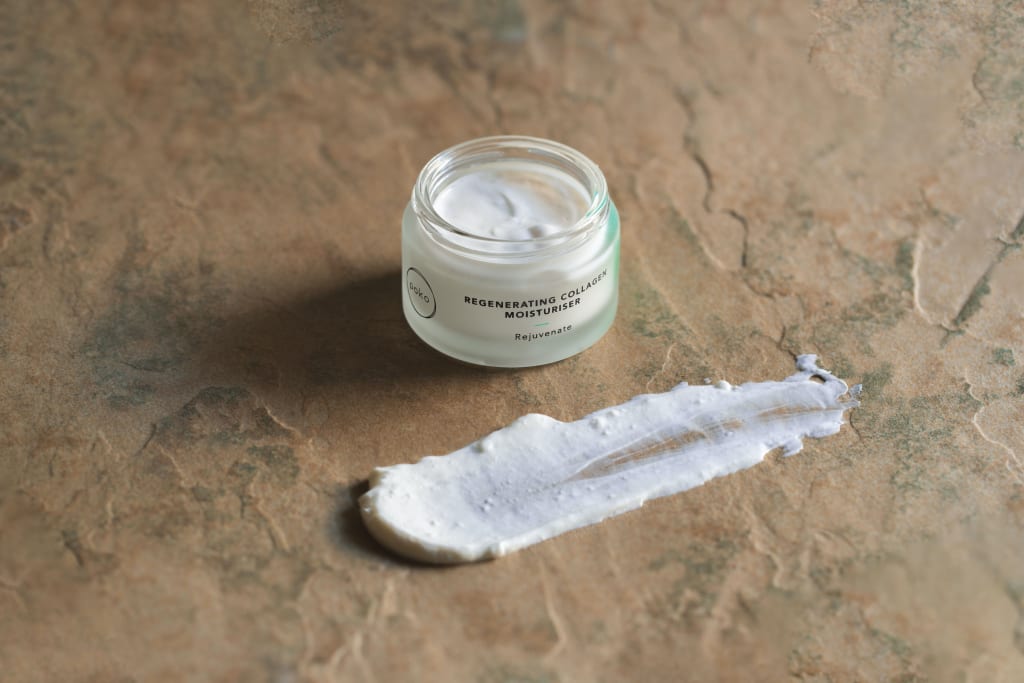
As a skincare enthusiast, I've always believed that a good moisturizer is the key to achieving a youthful and radiant complexion. Moisturizers play a crucial role in any skincare routine, providing hydration, nourishment, and protection to the skin. In this article, I will explore the importance of moisturizers, debunk common misconceptions, and guide you in finding the best face moisturizer for your skin type. Whether you have dry, oily, or aging skin, there is a perfect moisturizer out there to address your concerns.
The Importance of Moisturizers in a Skincare Routine
Moisturizers are not just an optional step in your skincare routine; they are essential for maintaining healthy and beautiful skin. Our skin naturally produces oils to keep it hydrated, but factors like environmental aggressors, aging, and harsh cleansing products can strip away these oils, leaving the skin dry and dull. This is where moisturizers come to the rescue.
By applying a moisturizer, you are replenishing the skin's moisture barrier and sealing in hydration. This helps to prevent moisture loss, keeping your skin supple and smooth. Additionally, moisturizers create a protective barrier on the skin's surface, shielding it from harmful pollutants and UV rays. Regular use of a moisturizer can also improve the skin's texture, reduce the appearance of fine lines and wrinkles, and promote a youthful glow.
How Moisturizers Benefit the Skin
Apart from providing hydration and protection, moisturizers offer a multitude of benefits for your skin. Let's take a closer look at some of these benefits:
1. Enhanced Hydration
Moisturizers contain ingredients such as humectants and emollients that attract and retain moisture in the skin. This helps to combat dryness and ensure that your skin stays hydrated throughout the day. Well-hydrated skin not only feels comfortable but also looks plump and youthful.
2. Improved Skin Texture
Regular use of a moisturizer can help to improve the overall texture of your skin. It smooths out rough patches, softens the skin's surface, and minimizes the appearance of pores. This results in a smoother and more refined complexion.
3. Protection Against Environmental Aggressors
Our skin is constantly exposed to environmental aggressors like pollution, UV rays, and free radicals. Moisturizers act as a barrier, protecting the skin from these harmful elements. They also contain antioxidants that neutralize free radicals, preventing premature aging and damage to the skin.
4. Balance for Oily Skin
Contrary to popular belief, moisturizers are not just for dry skin. Even if you have oily skin, a lightweight, oil-free moisturizer can work wonders for you. It helps to balance the skin's natural oil production, preventing excess sebum and reducing the likelihood of breakouts. When the skin is properly moisturized, it actually becomes less oily over time.
Common Misconceptions about Moisturizers
There are a few common misconceptions about moisturizers that I would like to address. These misconceptions often discourage people from using moisturizers or lead them to believe that they are unnecessary. Let's debunk these myths once and for all:
1. Moisturizers Cause Breakouts
One of the biggest misconceptions about moisturizers is that they can cause breakouts, especially for those with oily or acne-prone skin. However, this is far from the truth. Breakouts are usually caused by clogged pores, which can occur when the skin is dehydrated. By using a non-comedogenic moisturizer, you can hydrate your skin without clogging the pores, thus preventing breakouts.
2. Moisturizers Make the Skin Greasy
Some people avoid using moisturizers because they fear that it will make their skin greasy. While it's true that heavy, greasy moisturizers can leave a residue on the skin, not all moisturizers are created equal. There are plenty of lightweight, oil-free moisturizers available that absorb quickly into the skin, leaving it feeling soft and nourished without any greasiness.
3. Moisturizers are Only for Dry Skin
Another common misconception is that moisturizers are only necessary for those with dry skin. In reality, everyone can benefit from using a moisturizer, regardless of their skin type. Even oily skin needs hydration to maintain its balance and prevent excess oil production. The key is to find a moisturizer that is suitable for your specific skin type.
By understanding the importance of moisturizers and debunking these misconceptions, you can now confidently incorporate a moisturizer into your skincare routine. In the next section, we will delve into the different types of moisturizers available and how to find the best one for your skin type.
Different Types of Moisturizers for Different Skin Types
When it comes to moisturizers, one size does not fit all. Different skin types have different needs, and it's essential to find a moisturizer that caters to those needs. Here are the main types of moisturizers available and their suitability for various skin types:
1. Lightweight Gel Moisturizers
Gel moisturizers are perfect for those with oily or acne-prone skin. They have a lightweight, water-based formula that absorbs quickly into the skin, providing hydration without any greasiness. Gel moisturizers are also great for hot and humid climates, as they feel refreshing and cooling on the skin.
2. Cream Moisturizers
Cream moisturizers are suitable for normal to dry skin types. They have a thicker consistency and provide intense hydration, making them ideal for combating dryness and flakiness. Cream moisturizers create a protective barrier on the skin, preventing moisture loss and keeping the skin soft and supple.
3. Lotion Moisturizers
Lotion moisturizers fall between gel and cream moisturizers in terms of consistency. They are lighter than creams but more substantial than gels, making them suitable for combination skin types. Lotion moisturizers provide hydration without weighing down the skin or making it greasy.
4. Oil-Based Moisturizers
Oil-based moisturizers are beneficial for those with extremely dry or mature skin. They contain nourishing oils that deeply hydrate and replenish the skin, restoring its natural moisture balance. Oil-based moisturizers are rich in antioxidants and fatty acids, which help to improve the skin's elasticity and reduce the signs of aging.
Now that you have a better understanding of the different types of moisturizers available, let's move on to the next section, where I will guide you in finding the best face moisturizer for your specific skin type.
Finding the Best Face Moisturizer for Your Skin
Finding the best face moisturizer can be a daunting task, considering the countless options available in the market. However, by knowing your skin type and understanding its specific needs, you can narrow down your choices and find a moisturizer that works best for you. Here are some factors to consider when choosing a face moisturizer:
1. Skin Type
The first step in finding the best face moisturizer is identifying your skin type. Is your skin dry, oily, combination, or sensitive? Each skin type has different requirements and reacts differently to various ingredients. Knowing your skin type will help you choose a moisturizer that caters to those needs.
2. Ingredients
The next step is to look for specific ingredients that are beneficial for your skin type. For dry skin, look for moisturizers with hyaluronic acid, glycerin, or ceramides, as these ingredients help to retain moisture and hydrate the skin. Oily skin types can benefit from moisturizers that contain salicylic acid or niacinamide, which help to control oil production and minimize pores.
3. SPF Protection
If you spend a significant amount of time outdoors, it's important to choose a moisturizer with SPF protection. Sun damage is one of the primary causes of premature aging and skin damage. By opting for a moisturizer with built-in sun protection, you are saving yourself an extra step in your skincare routine and ensuring that your skin is shielded from harmful UV rays.
4. Sensitivity
If you have sensitive skin, it's crucial to choose a moisturizer that is fragrance-free and formulated for sensitive skin types. Look for products that are labeled "hypoallergenic" or "non-irritating" to minimize the risk of irritation or allergic reactions.
By considering these factors and doing some research, you can find a face moisturizer that suits your skin type and addresses your specific concerns. Don't be afraid to experiment and try out different products until you find the perfect match. Your skin will thank you for it!
Ingredients to Look for in a Face Moisturizer
When it comes to choosing a face moisturizer, the list of ingredients can be overwhelming. However, there are a few key ingredients that you should look for, as they offer significant benefits for the skin. Here are some ingredients to keep an eye out for when selecting a face moisturizer:
1. Hyaluronic Acid
Hyaluronic acid is a highly effective humectant that can hold up to 1000 times its weight in water. It deeply hydrates the skin, plumping it up and reducing the appearance of fine lines and wrinkles. Hyaluronic acid is suitable for all skin types and helps to maintain the skin's moisture balance.
2. Ceramides
Ceramides are lipids that help to strengthen the skin's natural moisture barrier. They prevent moisture loss and lock in hydration, keeping the skin soft and supple. Ceramides are especially beneficial for dry and aging skin, as they help to replenish and restore the skin's natural barrier function.
3. Niacinamide
Niacinamide, also known as Vitamin B3, offers multiple benefits for the skin. It helps to regulate oil production, improve skin texture, and minimize the appearance of pores. Niacinamide also has anti-inflammatory properties, making it suitable for sensitive and acne-prone skin.
4. Antioxidants
Antioxidants such as Vitamin C, Vitamin E, and green tea extract help to neutralize free radicals, protect the skin from environmental damage, and promote a youthful complexion. They also have brightening properties, reducing the appearance of dark spots and hyperpigmentation.
These are just a few examples of the many beneficial ingredients that you can find in face moisturizers. By understanding the benefits of these ingredients, you can make an informed decision and choose a moisturizer that suits your skin's needs. In the next section, I will recommend some of the best face moisturizers for different skin concerns, so keep reading!
The Best Face Moisturizers for Different Skin Concerns
Now that you are armed with knowledge about moisturizers and their ingredients, it's time to explore some of the best face moisturizers available in the market. Whether you have dry skin, oily skin, or specific skin concerns like aging or acne, there is a moisturizer out there to address your needs. Here are some recommendations:
1. Best Face Moisturizer for Dry Skin
If you have dry skin, you need a moisturizer that provides intense hydration and nourishment. Look for products that contain ingredients like hyaluronic acid, glycerin, and ceramides. Some excellent options for dry skin include:
2. Best Face Moisturizer for Oily Skin
For oily skin, you need a lightweight, oil-free moisturizer that controls oil production and minimizes pores. Look for products with ingredients like niacinamide, salicylic acid, and hyaluronic acid. Here are some recommendations for oily skin:
3. Best Face Moisturizer for Aging Skin
As we age, our skin loses moisture and elasticity, resulting in fine lines, wrinkles, and sagging. To combat these signs of aging, look for moisturizers with anti-aging ingredients like retinol, peptides, and antioxidants. Here are some recommendations for aging skin:
4. Best Face Moisturizer for Acne-Prone Skin
If you have acne-prone skin, it's essential to choose a moisturizer that is non-comedogenic and won't clog your pores. Look for products that contain ingredients like salicylic acid, tea tree oil, and hyaluronic acid. Some great options for acne-prone skin include:
These are just a few examples of the many excellent face moisturizers available in the market. Remember to consider your specific skin concerns, ingredients, and budget when choosing a moisturizer. If possible, get samples or travel-sized versions of the moisturizers to test them out before committing to a full-sized product.
DIY Moisturizer Recipes for Natural Skincare Enthusiasts
If you prefer a natural approach to skincare, you can also create your own moisturizers using simple and nourishing ingredients. DIY moisturizers allow you to customize the formula according to your skin type and specific needs. Here are a couple of DIY moisturizer recipes to get you started:
1. Nourishing Coconut Oil Moisturizer
Coconut oil is a deeply hydrating and nourishing ingredient that suits most skin types. To create a simple coconut oil moisturizer, you will need:
- 1/2 cup of organic virgin coconut oil
- 1 teaspoon of Vitamin E oil (optional)
- A few drops of your favorite essential oil for fragrance (optional)
Instructions:
In a clean bowl, mix the coconut oil and Vitamin E oil until well combined.
If desired, add a few drops of essential oil for fragrance and mix again.
Transfer the mixture to a clean jar or container with a tight lid.
Store.
2. Whipped Shea Butter Moisturizer
- In a bowl, whip together 1/2 cup of raw shea butter,
- 1/4 cup of coconut oil, and a few drops of your favorite essential oil. Transfer the mixture to a jar, and use it as a nourishing body moisturizer.
3. Avocado and Honey Face Moisturizer:
Mash half a ripe avocado and mix it with 1 tablespoon of honey and 1 tablespoon of almond oil. Apply the mixture to your face and leave it on for 15-20 minutes before rinsing off with warm water.
4. Oatmeal and Yogurt Soothing Moisturizer:
Blend 1/4 cup of cooked oatmeal with 2 tablespoons of plain yogurt and 1 tablespoon of honey. Apply the mixture to clean skin and leave it on for 10-15 minutes before rinsing off.
These DIY moisturizer recipes are just a starting point, and you can customize them according to your skin's needs and preferences. Always perform a patch test before applying any homemade products to ensure that you are not allergic to any of the ingredients.
Incorporating moisturizers into your daily skincare routine
To reap the full benefits of moisturizers, it's important to incorporate them into your daily skincare routine. Here is a step-by-step guide on how to use moisturizers effectively:
Cleanse: Start by cleansing your face with a gentle cleanser to remove any dirt, oil, or impurities. Pat your skin dry with a clean towel.
Tone: If you use a toner, apply it after cleansing to balance the skin's pH levels and prepare it for moisturization. Use a cotton pad to apply the toner evenly.
Serum: If you use any serums or treatment products, apply them before moisturizing. Serums are highly concentrated and can penetrate deeply into the skin, targeting specific concerns.
Moisturize: Take a pea-sized amount of moisturizer and gently massage it into your face and neck using upward motions. Pay extra attention to areas that tend to be drier, such as the cheeks and forehead.
SPF: In the morning, always follow up with a broad-spectrum sunscreen with an SPF of 30 or higher. This will protect your skin from harmful UV rays and prevent premature aging.
Remember to adjust your skincare routine according to your skin's needs and the climate you're in. In colder months or drier climates, you may need a richer moisturizer, while in warmer months or humid climates, a lightweight moisturizer may be sufficient.
About the Creator
Ausie Moore
Your Go-To Source for Everything Important! 🌟
Keep reading
More stories from Ausie Moore and writers in Families and other communities.
Unveiling the Magic of Moon Reading: Discover Your Path to Self-Discovery and Fulfillment
Introduction to Moon Reading The moon has long been regarded as a mystical and powerful celestial body, influencing various aspects of our lives. Moon reading is an ancient practice that taps into the energy of the moon to provide insights into our emotions, desires, and overall life path. In this article, we will delve into the world of moon reading and explore how it can guide us on our journey of self-discovery and fulfillment.
By Ausie Moore3 years ago in Families
Protecting Retirement Assets In A High Net Worth Divorce
High net worth divorces are rarely simple. When millions of dollars, complex investments, and valuable property are involved, separating finances becomes far more than just dividing a house or a car. Retirement accounts often make up a significant portion of the marital estate, yet they are one of the most misunderstood and risky areas during a divorce. Many couples focus on visible assets like real estate or cash, leaving retirement funds for the last minute. This oversight can trigger heavy taxes, costly penalties, and long-term financial setbacks totaling hundreds of thousands of dollars. Understanding how different types of retirement and investment accounts work is essential to protect your wealth and secure your financial future during this challenging time.
By Dina Haddad6 days ago in Families
Understanding Wife Psychology
Marriage is not just a legal bond; it is a psychological, emotional, and spiritual connection between two individuals. Understanding the psychology of your wife can greatly improve communication, intimacy, and harmony in your relationship. While every woman is unique, there are certain universal patterns in wife psychology that can help a husband navigate the complexities of married life.
By Jahid Hasan3 days ago in Families




Comments
There are no comments for this story
Be the first to respond and start the conversation.