
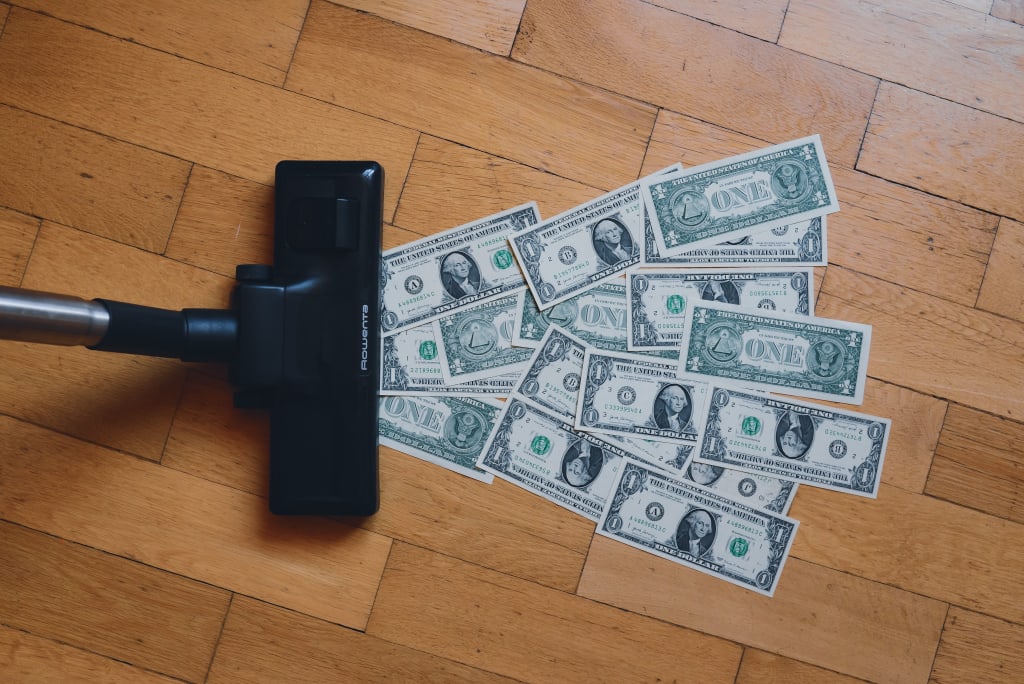
Inflation, to describe in short: The general increase in prices of goods and services in an economy over a period of time. It is a complex economic phenomenon that affects the purchasing power of individuals, businesses, and governments.
The inflation rate is the percentage increase in the price of goods per year.
For example, if the inflation rate is 2%, then a $1 candy will cost $1.02 in a year
There are several factors that contribute to inflation. One of the most significant factors is the increase in the money supply. When a central bank prints more money, it can cause an increase in the demand for goods and services, which in turn can lead to higher prices. This is because more money chasing the same amount of goods and services leads to a rise in prices.
Another factor that contributes to inflation is the cost of production. When the cost of producing goods and services increases, businesses tend to raise their prices to maintain their profit margins. This can happen when the cost of raw materials or labor increases, or when there is a shortage of supply. Historians have noted that war and inflation go hand-in-hand. Every war in the last century has brought high inflation.
Inflation can be measured in a variety of ways. One common method is the consumer price index (CPI), which can track the cost of a basket of goods and services that are commonly purchased by consumers. Another measure is the producer price index (PPI), which track the cost of goods and services at the wholesale level.
It can have both positive and negative effects on an economy. On the positive side, a moderate level of inflation can encourage investment and economic growth. This is because it incentivizes people to spend their money and invest in assets that can appreciate in value. In addition, inflation can help reduce the real value of debt, making it easier for individuals and governments to pay off their debts.
For example, In an inflationary environment, those who owe debts can pay down loans with money that is worth less than the money they borrowed
On the negative side, high levels of inflation can lead to a decline in the purchasing power of individuals and businesses. This can lead to a decrease in consumer spending, which can create negative implication on economic growth. In addition, high levels of inflation can lead to increased uncertainty and huge risk, which can discourage investment and lead to economic instability.
To combat inflation, central banks can implement monetary policy measures such as raising interest rates, reducing the money supply, or implementing tighter lending standards. Governments can also implement fiscal (Public debt) policy measures such as reducing spending or increasing taxes to reduce the demand for goods and services.
As of May 2022, the U.S. annual inflation rate is 8.6%.
Demand rebounded quickly and has remained high following the onset of COVID-19 lockdowns. This demand has been further spurred on by fiscal policies, which injected trillions of dollars into the U.S. economy, keeping consumers afloat but keeping prices high.
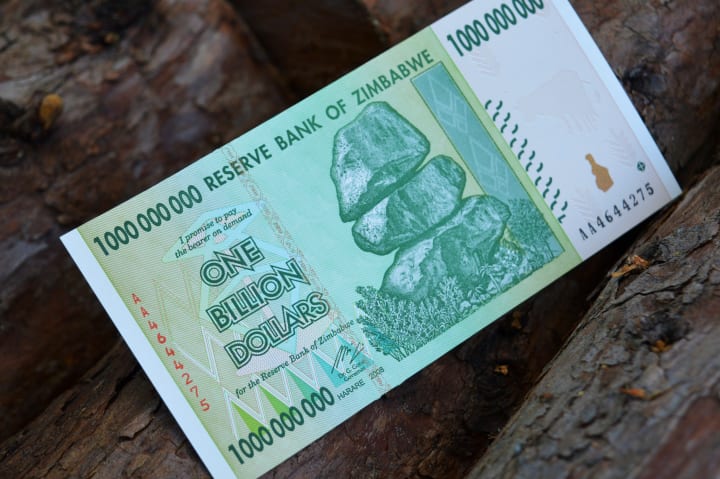
What could end inflation? If supply-chain issues resolve, prices could begin to stabilize. However, if inflation persists, the Fed can step in and raise interest rates in an effort to dampen economic growth and help suppress inflation.
In conclusion, inflation is a complex economic phenomenon that has both positive and negative effects on an economy. While a moderate level of inflation can encourage investment and economic growth, high levels of inflation can lead to a decline in the purchasing power of individuals and businesses. To overcome inflation, central banks and governments can implement a variety of monetary and fiscal policy measures.
About the Creator
Christmas Abroad: Celebrating the Holidays Without Family
I moved to South Korea in 2017. I was twenty-two years old and excited to start my career as an English Second Language Teacher. With a Bachelor's degree and six hundred dollars in my bank account, I set off for Busan.
By Kera Hollowabout a month ago in Families
Product of Lies
Product of Lies My earliest recollection of a lie was at the age of five. It was the Christmas holiday week, and my mom and dad were have an annual Christmas party for friends that included a couple children. The night was a fantasy, like the Nutcracker Suite without dancing. Our house length sunroom, which I always called the ball room was fully decked out in silver and gold garland, hung from each of the recessed lights in the entire room, which made the light refracting off of the tinsel, shimmer and flicker throughout. There was beautifully delicious food laid out and beverages for the kids and the adults. I was going to be a long evening of magical socializing in holiday vignettes.
By Alexandra Grant4 days ago in Families
Miss Persephone's Manual to a Seemingly Ordinary Life
Miss Persephone was found at the dining table, her blue eyes swollen, her tears arriving and retreating like the tides of the ocean. Earlier that day, her family had visited her in the retirement home where she had lived for eight years. It was her eightieth birthday.
By Imola Tóthabout 23 hours ago in Fiction



Comments
There are no comments for this story
Be the first to respond and start the conversation.