
How Housing Insecurity and Constant Moves Tear at Families
The Silent Toll of Constant Relocation on Mental Health, Education, and Family Stability.


- Housing insecurity can cause families to be constantly on the move, never able to settle down and create a full life.
- A lack of secure housing can lead to issues such as mental instability, separation, and generational repercussions.
- There are available solutions for those who might need help for themselves and their family.
To borrow from an age-old adage, there’s no place like home. It’s where you can relax, be yourself, lower stress, and create a family and memories for years to come. But unfortunately, for some, home can feel like an abstract concept—a dream for others to obtain. This sort of housing insecurity can create fault lines and factions in a family that lasts generations.
A secure home doesn’t have to mean a mansion on a hill. Simply keeping your family safe and dry in one place creates the kind of positivity that few other choices can match. If you are trying to decide whether to move again or stay in the same place a bit longer, consider how housing insecurity and constant moving can affect your family.
What is housing insecurity?
Before we examine how housing insecurity affects families, let’s break down what the term means. Housing insecurity refers to an inability or extreme trouble paying rent to the point eviction is a real fear, more people living in the house than it can feasibly hold, or the notion that someone isn’t sure where home will be or for how long. The latter can mean moving every few months, typically with little to no idea what comes next.
Housing insecurity can come about for a variety of reasons, some out of the control of the tenant and some of their own choosing; reasons such as unforeseen expenses that overburden the tenant, short-term jobs that keep someone moving to find the next place to work, escaping dangerous situations, natural disaster, or even a transient mindset that shows itself in wanderlust or the need to outrun whatever is being left behind.
In summation, housing insecurity refers to anyone without either a steady home base or a safe one.
How it affects families
Mental instability
If you’re not quite sure what tomorrow will hold, especially when it comes to having a place to call home, it can have extensive repercussions on the mental state of you and your children. This sort of mental unrest is especially true for young kids who can’t grasp why they are moving again, leaving their friends and what they know. Kids need routine and consistency; uprooting them repeatedly creates confusion that bleeds into other parts of their psyche. This uncertainty creates a sense of being constantly unsure and worried, perhaps not trusting that anywhere or anyone is a safe space, which in turn can cause depression.
Obviously, the most important thing is to make sure you and your family are physically safe in any situation. However, close behind that is ensuring the mental health of those in your family is cared for in every way possible.
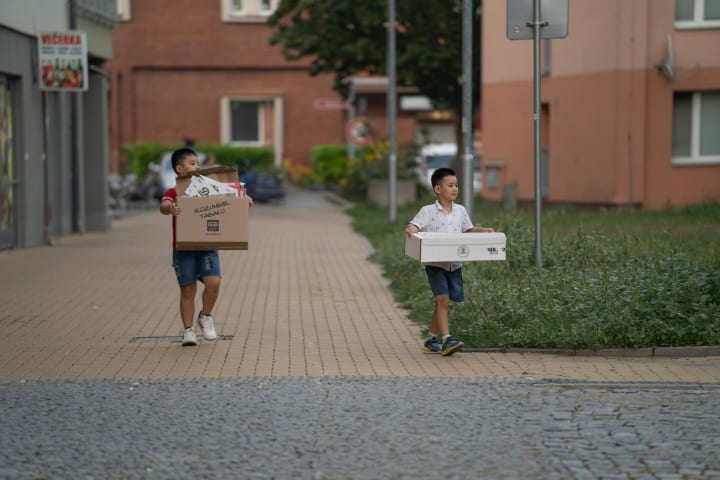
Keep family members apart
The most important part of a family is the support and love that comes with being together. If you ask almost any child about their best memories, they will focus not on fancy places or extravagant events but rather on time spent with the ones they love the most. Housing insecurity can keep that from happening.
Whether it is a job that is pulling a parent away from their kids, overcrowding that forces someone to move, or being forced to place children in foster care, a lack of secure and safe housing can keep family members apart from each other.
Lost access to education
If a family is constantly moving, it can prevent students from continuing their education. Changing addresses often leads to changing school districts, meaning kids are adjusting to a new curriculum, new friends, and new teachers with every move, each one causing them to fall a little farther behind. Some schools, especially those at the daycare level, don’t allow students to enroll mid-semester, meaning each move could keep a child out of school or care completely.
Uncertain health
There is something to be said for knowing your home: its creaks, its nooks, what works well, and what needs to be addressed. When moving over and over or having a crowded space (especially with transient residents), it’s much harder to know what secrets the house holds. This can lead to undiagnosed sickness, potentially harmful areas, or communal diseases. Studies show children who live with housing insecurity are more likely to suffer from health issues in their teenage years.
No roots
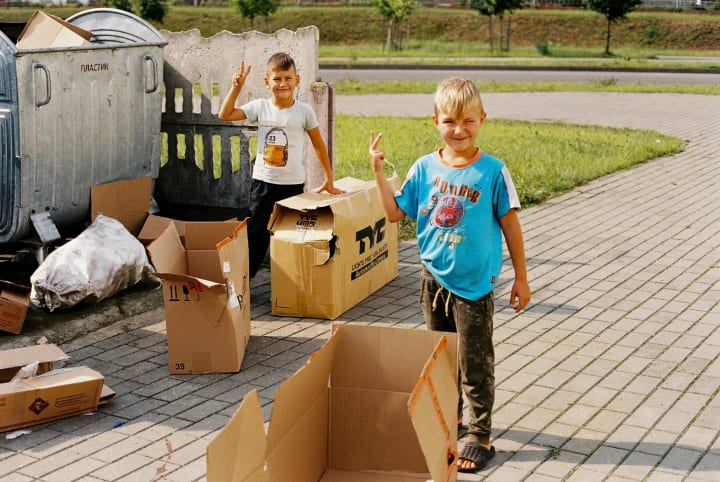
There is a reason it’s called a family tree. That’s because a family puts down roots, creates a legacy, and gives every branch something to cling to when life blows them in the wind. Housing insecurities and constant moving don’t allow time to put down roots and grow. For parents and kids, this means the inability to get involved in local community groups and initiatives, sports, church groups, cultural experiences, and more.
To continue with the plant growth metaphors, a strong person can bloom where planted. But that still requires staying in one place long enough for those roots to take hold.
Can create generational poverty
Just like families can benefit from generational wealth, they can also suffer from generational poverty. Just one of the above effects from housing insecurity can set someone on a path that snowballs. The mental side effects of never feeling stable, lack of education, love from family members, or socialization can all lead to repeated behaviors and a pattern of uncertainty and harmful behavior.
While it is definitely still possible to change one’s path and create opportunities beyond those they were born into, those situations are, unfortunately, the exception, not the rule.
What is the solution?
It is important to note that suffering from housing insecurity is not always an implication of your own choices or dreams for you and your family. There are plenty of factors beyond our control that can lead to instability. Ensuring you and your family are safe, even if just for a short time, is paramount.
As you are looking to take back and empower your life, it is vital to prioritize housing. It is the foundation for every other part of your life.
So, how do you make it happen? There are many resources available. If you have children, their pediatrician can help connect you with housing assistance for the whole family. Official HUD data and search tools on the internet can help you narrow your searches and define next steps. Lean on family and friends when you can, and use Section 8 help to find programs that assist with rent vouchers and better housing options.
There’s no place like home, so create the one you and your family need today.
About the Creator
Andrew Lemieux
Andrew is a creative writer, poet, and content strategist. He is passionate about literature, food, wine, travel, and sports. In his spare time he enjoys working on home projects and restoring the 1837 Greek Revival he and his wife own.
Keep reading
More stories from Andrew Lemieux and writers in Families and other communities.
From Blueprint to Reality: A Step-by-Step Guide to Planning Your Dream Home Remodel
Key Takeaways Home remodelling requires careful planning and patience. Setting a realistic budget saves unnecessary spending. Creating a blueprint for your home remodeling is crucial. Seek permissions and approvals from building authorities before remodelling your home. Keeping aside extra money for emergencies and surprises is important.
By Andrew Lemieux16 days ago in Families
Wise~Guys
— Look Behind what's in Front of You ~ Make Good Choices — Hey, So how you Doin'..! Made~Men — Mobster Movies romanticise a distinctive, elegant appearance, impeccable attire style, along with the 'Families' expressive lingo. Making their 'Bones' gave them Panache — with vintage fedoras, tailored pin-striped suits, mirror-polished wing-tip shoes adorned with tassels; with their 'Gun Moll' gorgeous dates on their arms.
By Jay Kantor17 days ago in Families
Kids Beds Suitable for Smaller Bedrooms: Smart Comfort Without Crowding
Not every child has a large bedroom. In many homes, space is shared or limited, which means every piece of furniture needs to be chosen carefully. A bed that is too big or bulky can make a small room feel cramped and uncomfortable.
By Shazad Khan2 days ago in Families



Comments
There are no comments for this story
Be the first to respond and start the conversation.