
How Gentle Parenting Actually Affects Kids
Discover the real impact of gentle parenting on a child’s behavior, confidence, and emotional growth. Learn how empathy and respect can shape stronger, happier kids in today’s world
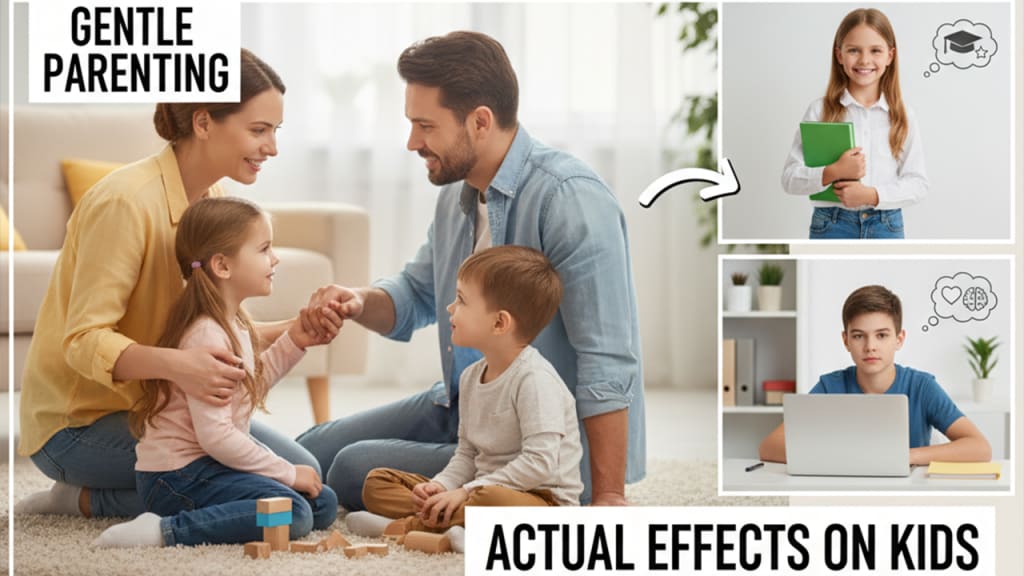
Parenting styles have evolved over the years, shifting from strict discipline to more understanding and emotionally aware approaches. One of the most discussed methods today is gentle parenting — a style that focuses on empathy, respect, and open communication rather than punishment or control. But how does this parenting approach actually affect children? Let’s take a closer look at the emotional, behavioral, and developmental impact gentle parenting has on kids.
Core Principles of Gentle Parenting
At its heart, gentle parenting is about connection over correction. Instead of focusing on obedience, it aims to build mutual respect between parents and children. The main principles include:
- Empathy and Understanding: Parents try to see situations from their child’s perspective.
- Respect and Communication: Kids’ feelings and thoughts are acknowledged, fostering trust.
- Setting Boundaries with Kindness: Discipline exists, but it’s delivered through calm explanations, not punishment.
- Teaching Through Connection: Children learn right from wrong by observing compassion and emotional control in their parents.
This approach helps children internalize good behavior rather than acting out of fear.
How Gentle Parenting Affects Children Emotionally
One of the strongest impacts of gentle parenting is emotional growth. When children are raised in an environment where they feel heard and valued:
- They develop emotional intelligence, learning to recognize and regulate their feelings.
- They experience less anxiety and fear, as they aren’t constantly worried about harsh consequences.
- Their self-confidence grows, because their worth isn’t tied to perfection or performance.
Children raised with gentle parenting often feel safe expressing themselves, which strengthens their mental well-being in the long run.
Behavioral Effects of Gentle Parenting
Gentle parenting doesn’t mean letting kids do whatever they want. In fact, research shows that children raised with empathy and clear limits tend to:
- Show better cooperation and are more willing to follow rules.
- Display fewer tantrums and power struggles, because they feel understood.
- Develop self-discipline, making positive choices even when parents aren’t watching.
Instead of reacting out of fear of punishment, these kids act responsibly out of respect and understanding.
Cognitive and Social Development
Gentle parenting also plays a key role in shaping how children think and interact with others.
- It encourages independent thinking, as children are guided to make decisions thoughtfully.
- It strengthens problem-solving skills, since mistakes are treated as opportunities to learn.
- It promotes healthy relationships, helping kids grow into kind, empathetic adults who respect others.
Children learn that conflict can be resolved peacefully and that kindness is a strength, not a weakness.
Potential Challenges of Gentle Parenting
Like any approach, gentle parenting isn’t perfect. Some parents struggle to find the right balance.
- Misconceptions: Some people mistake it for permissive parenting, where kids face no consequences.
- Balancing Authority: Being gentle doesn’t mean giving up control; it requires calm consistency.
- Parental Patience: It demands time, emotional regulation, and self-awareness, which can be hard for stressed parents.
However, when practiced correctly, gentle parenting creates a balanced environment of love and structure.
Comparing Gentle Parenting with Traditional Methods
Traditional parenting often emphasizes obedience through authority, while gentle parenting focuses on cooperation through understanding.
- In authoritarian homes, kids may behave well out of fear but struggle with self-esteem or independence.
- In gentle parenting homes, kids learn to make choices from internal motivation, not external control.
Long-term studies suggest that gentle parenting helps children develop stronger emotional regulation and healthier relationships compared to more punitive methods.
Real-Life Examples and Research Findings
A growing body of research supports the benefits of gentle parenting.
- Studies from child psychologists like Dr. Laura Markham and Dr. Dan Siegel show that children raised with empathy exhibit higher emotional intelligence and lower aggression.
- Real-world examples from parents reveal that kids respond better when discipline comes from love and connection, not anger.
Such findings confirm that gentle parenting doesn’t just feel right — it works.
Tips for Practicing Gentle Parenting Effectively
For parents who want to embrace this method, here are some practical tips:
- Stay calm during conflicts — your reaction teaches more than your words.
- Acknowledge feelings before correcting behavior.
- Encourage accountability by helping kids make amends, not by punishing them.
- Be consistent — structure and kindness must go hand in hand.
- Model respect — children learn by example more than instruction.
Conclusion
Gentle parenting is not about being lenient; it’s about being intentional and compassionate. It encourages children to grow emotionally strong, responsible, and kind — qualities that go far beyond childhood.
By focusing on empathy, respect, and calm communication, parents can raise kids who not only behave well but also understand why good behavior matters. In the end, gentle parenting builds not just better children — but stronger, more emotionally intelligent adults.
About the Creator
Keep reading
More stories from Ahmad Hassan and writers in Families and other communities.
How Parents Can Find a Child’s Location on Facebook Messenger
In today’s digital world, Facebook Messenger has become one of the most popular ways for children and teenagers to communicate with friends. While messaging apps help kids stay connected, they also raise safety concerns for parents—especially when it comes to knowing where their child is and who they are talking to. Understanding how location works on Facebook Messenger can help parents protect their children while still respecting their privacy.
By Ahmad Hassanabout a month ago in Families
A Dad Who Didn’t Know How to Handle the Grief of Divorce
The first morning I woke up alone in the flat, I made two cups of tea. Force of habit. I stood there in the kitchen holding both mugs, one in each hand, and just stared at them like an idiot. Then I poured one down the sink and watched it swirl away.
By Jess Knauf4 days ago in Families




Comments
There are no comments for this story
Be the first to respond and start the conversation.