
How Everyday Moments Shape Our Kids’ Manners and Behavior
How Everyday Moments Shape Our Kids’ Manners and Behavior

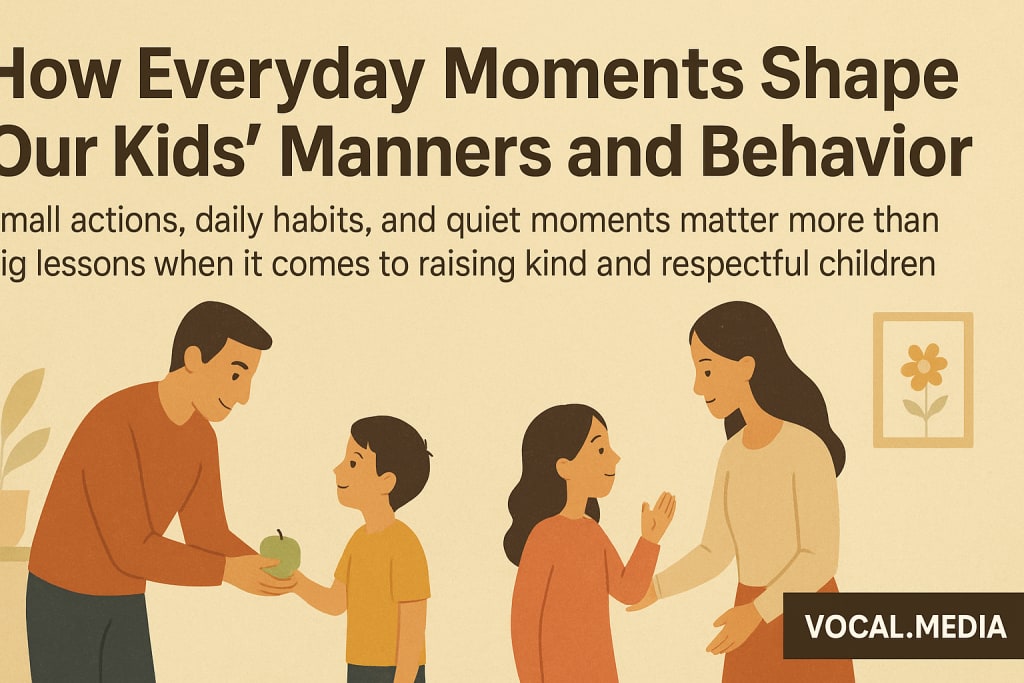
Parenting isn’t about grand speeches or strict rules. It’s built quietly, moment by moment, in the way we talk, react, and live every day. Whether we realize it or not, children are always watching. They learn more from what we do than from what we say. Our everyday actions—the tone of our voice, how we handle frustration, how we treat others—become the blueprint for their manners and behavior.
Children Copy What They See
Kids are natural mimics. They copy gestures, words, and emotions long before they understand them. When a parent says “thank you” to a shopkeeper, helps someone carry groceries, or speaks politely at home, a child notices. These small moments plant the seeds of good manners.
On the other hand, when kids see shouting, impatience, or disrespect, they learn that behavior too. A child growing up in a calm, respectful environment learns to handle situations with the same patience. It’s not about perfection—it’s about consistency. What we show every day becomes their normal.
The Power of Everyday Language
The words we use around children matter deeply. When parents speak kindly—even during disagreements—it teaches emotional control and respect. A child who hears phrases like “please,” “thank you,” and “I’m sorry” learns that politeness isn’t weakness; it’s strength.
Simple conversations also shape behavior. Saying things like “How do you think your friend felt?” helps children understand empathy. Asking, “Can we find a kinder way to say that?” encourages them to think before speaking. Over time, these little discussions build emotional intelligence.
Actions Speak Louder Than Rules
Many parents set rules about sharing, honesty, or respect. But rules alone don’t teach behavior—actions do. When we apologize after being wrong, share what we have, or admit mistakes, we show that good manners come from honesty, not fear.
For example, a child who sees their father calmly admit, “I shouldn’t have raised my voice” learns accountability. A mother who holds the door open for someone teaches thoughtfulness without a word. Children learn that manners are not just about “please” and “thank you,” but about caring for others in small, meaningful ways.
Moments of Frustration Are the Real Lessons
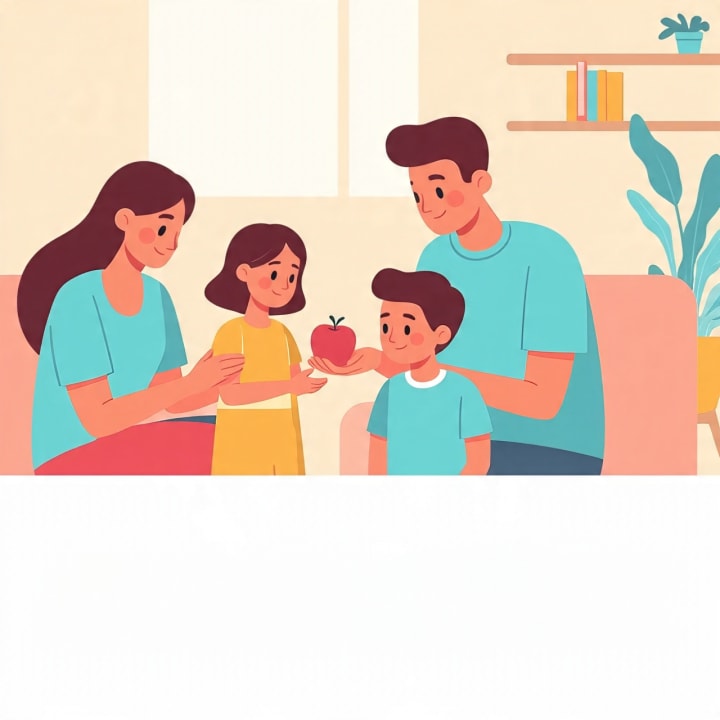
Parenting isn’t always peaceful. We all get tired, angry, or stressed. But those are the moments that teach children the most. How we handle frustration shows them how to handle their own emotions.
If we yell or slam doors, they’ll copy that. But if we take a deep breath and say, “I’m upset, but I need a minute to calm down,” they’ll learn self-control. It’s okay to be imperfect—what matters is showing that we can recover with grace. Every apology, every calm moment after a storm, becomes a quiet lesson in emotional balance.
The Importance of Family Routine
Daily routines shape behavior too. Simple habits like eating dinner together, greeting each other in the morning, or saying goodnight with affection give children a sense of security. These small rituals teach respect, patience, and connection.
When families share meals, children learn to listen, wait their turn, and engage in conversation. When parents put their phones down and give full attention, kids feel valued. These consistent gestures build not just manners, but confidence and emotional safety.
Technology and Manners
Today’s world is filled with screens, and children are growing up watching adults on phones more than in conversation. If parents scroll during dinner or interrupt talks for notifications, kids notice. They learn that attention is optional.
But if we put the phone aside and listen fully, we show them that real people deserve presence. Teaching digital manners starts with us—using polite language online, not oversharing, and showing respect even in virtual spaces.
Praise Effort, Not Just Behavior
Good manners are not about being perfect but about effort and intention. When a child says “thank you” without being reminded, help them feel proud. Instead of saying, “Good boy,” try “That was thoughtful of you to say thank you.” This helps them connect the behavior with the value behind it.
Positive reinforcement encourages them to keep trying. Over time, they start to act kindly not for praise, but because it feels right.
Every Day Counts
We often think big talks or punishments shape children, but it’s the daily habits that do. Saying sorry when we’re wrong. Smiling at a stranger. Listening with patience. Respecting others’ opinions. These are the quiet lessons that shape strong, kind, and respectful humans.
Children don’t just grow up—they grow from us. From the way we handle small moments, they learn how to live big ones. So even on tough days, remember that every word, gesture, and reaction counts. Manners and behavior aren’t taught once; they’re built slowly, every day, through love, patience, and example.
---
Final Thought
Raising well-mannered children isn’t about strict discipline or perfect parenting. It’s about showing kindness, respect, and self-control in ordinary moments. When we live the values we want them to learn, they follow naturally. In the end, it’s not our lectures that shape our kids—it’s the life we live in front of them.
About the Creator
kashif khan
Passionate storyteller and tech enthusiast sharing real thoughts, modern trends, and life lessons through words.
Keep reading
More stories from kashif khan and writers in Families and other communities.
The Call I Almost Ignored
It was a cold Sunday evening in February. I was sitting in my apartment, scrolling through my phone, lost somewhere between boredom and routine. Work had been heavy that week, and I was in no mood to talk to anyone. That’s when my phone started ringing.
By kashif khan5 months ago in Families
The Shadow in the Screen: Why Your Child’s Identity is the New Gold for AI Hackers
I remember the first time I saw it. A photo of my niece, the one I had taken at her fifth birthday party, appearing on a profile that didn’t belong to anyone in our family. The name was different. The location was halfway across the world. But the smile was unmistakably hers.
By Alex Sterling 7 days ago in Families




Comments
There are no comments for this story
Be the first to respond and start the conversation.