
How Do Shopping Malls Make Money?
Unveiling the Business Model of Retail Hubs

Introduction
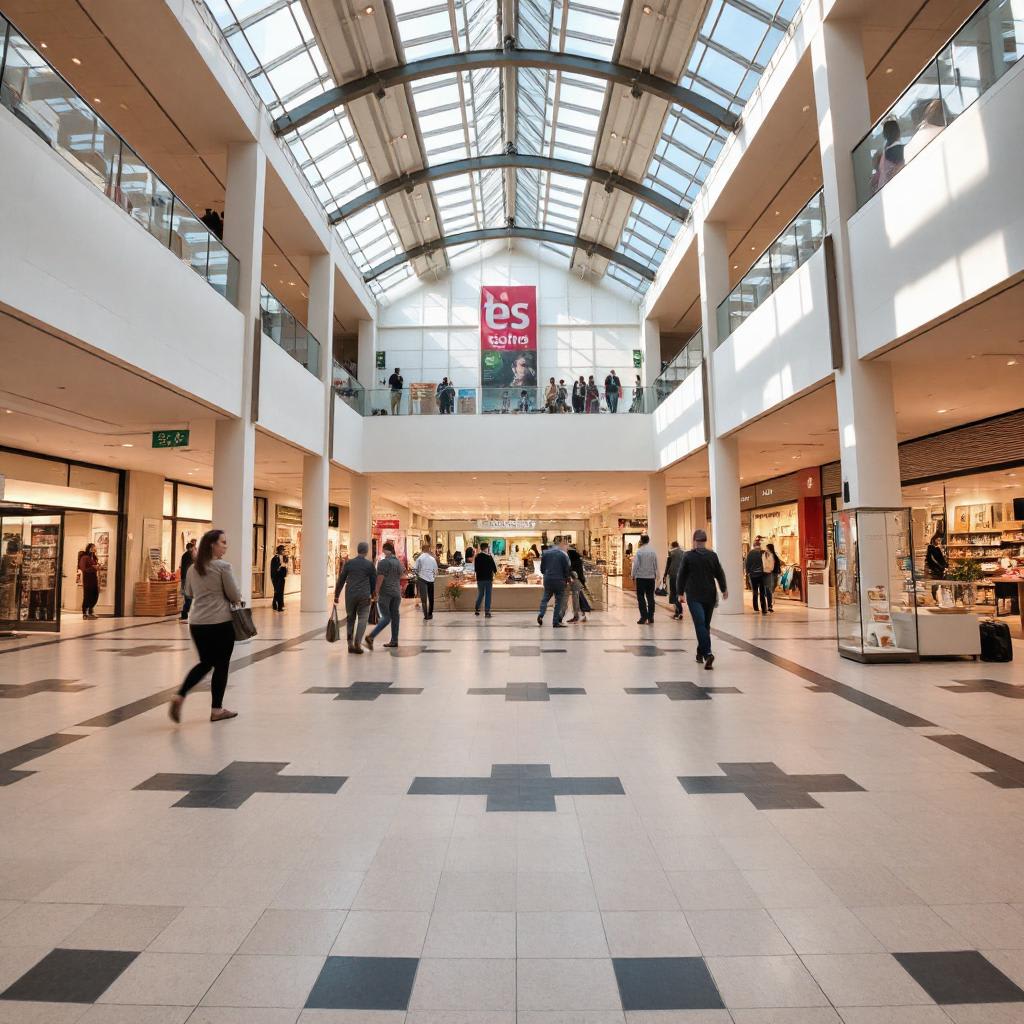
Ever been to a shopping mall and been mesmerized by the hustle and bustle and wondered how such sprawling centers of commerce actually make any money? After all, shops sell products, but the mall itself doesn't own those goods. So, what's their secret to financial success? Actually, it's a really cool combination of rental income and service fees added on to an array of creative revenue streams that keep such retail behemoths alive.
Are you ready to transform your shopping experience?
Let's go into detail about how shopping malls make money and the ways they have to keep them profitable within such a dynamically shifting retail landscape.
1. Rental Income: The Foundation of Shopping Mall Revenue
The biggest share of a shopping mall's revenue is generated by tenants renting its space. Here's a breakdown of how it works:
Anchor Stores: These are the big department stores or supermarkets that attract large numbers of visitors. Since they are an attraction, they are charged a lower rent per square foot. Indirectly, however, they improve the revenues of the entire mall.
Inline Retailers: In general, these are the smaller shops and specialized stores which usually obtain higher rents. Many lease agreements also include a percentage rent on top of the fixed base rent; that is, an agreed-on percentage of the tenant's sales. That way, if the shop sells a great deal, so does the mall.
Kiosks and Temporary Stalls: You may also have noticed the smaller kiosks or temporary stores that face changes every now and then. These businesses pay a higher dollar amount per square foot of leased space while their leases are usually of a short-term nature, thus providing flexible income to the mall.
Example: A shopping mall like The Groves in Los Angeles chooses a particular tenant mix to attract a diverse audience with a willingness to spend. It's not about filling the space but about creating that environment that will make the shopper want to remain around and have more.
2. Percentage Rent Agreements: A Win-Win Model
It simply means that under a percentage rent agreement, tenants pay a base rent plus a percentage of their month-to-month sales. As of this time, this model aligns the interests of both the retailer and the mall. The latter would have full vested interest in driving traffic and creating a shopper-friendly atmosphere because the more money they will have, so to speak, since higher sales would mean higher rent revenue for the former.
Why It's Profitable: These types of deals let the malls profit off successful tenants. For example, a brand like Apple or Zara would increase overall foot traffic in the mall. The percentage of sales would go up and increase the bottom line for the mall.
3. Common Area Maintenance Fees
Another stream of income for shopping malls is the receiving of CAM charges. This money pays for maintaining public open areas, including lobbies, escalators, restrooms, and parking lots. It is partially a cost that tenants must pay along with the mall to keep the surrounding areas of the stores clean, safe, and attractive.
What is covered under CAM Fees?
Cleaning and landscaping
Security personnel
Utilities at common areas
Seasonal decor and mall features
Example: Westfield malls invest seriously in creating immersive environments-from interactive light installations to carefully manicured green spaces. This cost is passed onto tenants through CAM fees, to make sure the mall remains one of the best destinations.
4. Revenue from Advertisements and Sponsorships
Malls are among the most ideal spots for advertising. The brands are ready to pay a premium on the internal advertising of their products or services in the middle of a busy shopping environment. Malls offer different advertising possibilities, including:
Digital Signage: Screens placed at strategic locations that run rotating advertisements. Event Sponsorships: Special events, like holiday-themed parties, product launches, or fashion shows, which bring in big crowds. Branded Installations: Experiential marketing set-ups where brands have fun interacting with shoppers.
Example: Dubai Mall, one of the biggest shopping centers in the world, often hosts events presented by luxury brands such as Cartier and Gucci. Such collaborations also provide enormous revenues but add to the prestige and desirability of the mall.
5. Entertainment and Leisure Places
Nowadays, people go to shopping malls not only to shop. Every mall has become an entertainment place: one can enjoy films, skate on ice, or even go to an aquarium.
Cinemas and Theaters: These latter commonly share revenue with the mall. This is actually why movie theaters have a surety for income.
Amusement Areas: Such as indoor playgrounds, VR gaming centers, or mini amusement parks add a lot to the revenue of a mall.
Why It Works: The longer shoppers remain in a shopping mall, the more likely they are to spend money. Diverse forms of entertainment increase dwell time, hence revenue.
6. Parking Fees: Monetizing Convenience
Malls, especially those in high-density cities, are able to generate significant revenue due to parking fees. Most suburban malls offer free parking for shoppers while multiplying limited parking spaces in urban malls.
Premium Parking Spots: Although some provided certain spaces marked for an extra fee, valet services, or charging of electric vehicles, charge a fee for use to add to revenues.
Event Parking: During events or concerts occurring at the same time as when the mall is open, malls may increase their prices to maximize revenue.
For instance, malls located in heavily populated cities such as New York or Chicago benefit dramatically from parking lot revenues, particularly in the months of November and December.
7. E-Commerce Partnerships and Click-and-Collect Services
With more and more e-commerce taking over, malls have been under pressure to be more innovative. Many have formed alliances with e-commerce brands or adopted click-and-collect services whereby customers shop online but collect their items at the store.
Advantages:
Drives footfall: Consumers coming to collect items often end up browsing and buying more.
Adds convenience: Malls become a bridge between online and offline shopping.
Example: Simon Property Group has moved to accommodate this-for instance, with click-and-collect facilities created with this in mind-so that it remains relevant in the digital era.
Actionable Tips for Shopping Malls to Maximize Revenue
Curate a Balanced Tenant Mix: A diverse mix of luxury and high-end brands to 'everyday' retailers will ensure a continuous flow of visitors.
Engagement in Community: Events, fitness classes, farmer's markets-all can create positioning for the mall as the community hub, thereby attracting consistent crowds.
Leverage Technology: Apps could offer personalized discounts, or they might enable navigation and/or host virtual shopping experiences.
Unique Experience Invest: Other than experiential retail, malls can incorporate pop-up stores or other interactive modes of art. It will again make sure that malls stand in a differentiation basis.
Offer Flexible Leasing: Similar to pop-up shops, lease vacancies for terms shorter than a year could fill vacancies at significantly faster rates and attract different types of customers into the center.
Conclusion: What Awaits Shopping Malls in the Future
Malls have undergone great evolution over the years-their concept, as well as the business model, kept changing since consumer behavior kept evolving. From rents to innovative advertising deals, to entertainment options, malls are no longer just about shopping but are basically lifestyle destinations.
As we consider the future, the shopping malls that don't cling to innovation, foster community, and create memorable experiences will thrive. So, the next time you are out in the mall, remember: everything from the pop-up shop to the digital billboard has been crafted into a well-oiled machine-just for taking your money home.
Are you ready to transform your shopping experience?
Frequently Asked Questions
Q1: What is the main source of income for shopping malls?
A: Base rent from tenants, and percentage rent depending on the sales, are the major revenues.
Q2: How do the malls make money with entertainment?
A: There is usually a revenue-sharing agreement between the cinema or an amusement park within the confines of the mall, adding to the total income.
Q3: Why does one have to pay to park in some malls?
A: Huge income source from parking fees in urban areas where space is limited and high in demand.
Q4: What is CAM?
A: CAM stands for common area maintenance fees, which take in items such as cleaning, security, and utilities of public areas that are paid by the tenant.
Q5: How does a mall adapt to the rise of e-commerce?
A: Many malls have gone all the way to partnering with online retailers to offer click-and-collect services, further the shopping experience, and drive foot traffic.
This article contains affiliate links, if you make a purchase I may make a small commission.
About the Creator
Karl Jackson
My name is Karl Jackson and I am a marketing professional. In my free time, I enjoy spending time doing something creative and fulfilling. I particularly enjoy painting and find it to be a great way to de-stress and express myself.
Keep reading
More stories from Karl Jackson and writers in Families and other communities.
How Do Toenails Grow?
Introduction Although toenails are considered minor parts of our anatomy, they do serve some important functions in protecting the sensitive tips of our toes and in keeping our feet healthy. But have you ever thought about what's actually behind the science of toenail growth? Why do toenails grow sometimes faster or slower than others? What would influence this? Further understanding of toenail growth can also help prevent issues with fungal infections, ingrown nails, or brittleness. Let us delve deep into the world of toenails to uncover the secret of their growth.
By Karl Jacksonabout a year ago in Families




Comments
There are no comments for this story
Be the first to respond and start the conversation.