
How Coloring Pages Improve Fine Motor Skills and Hand-Eye Coordination
All about kids and their activities

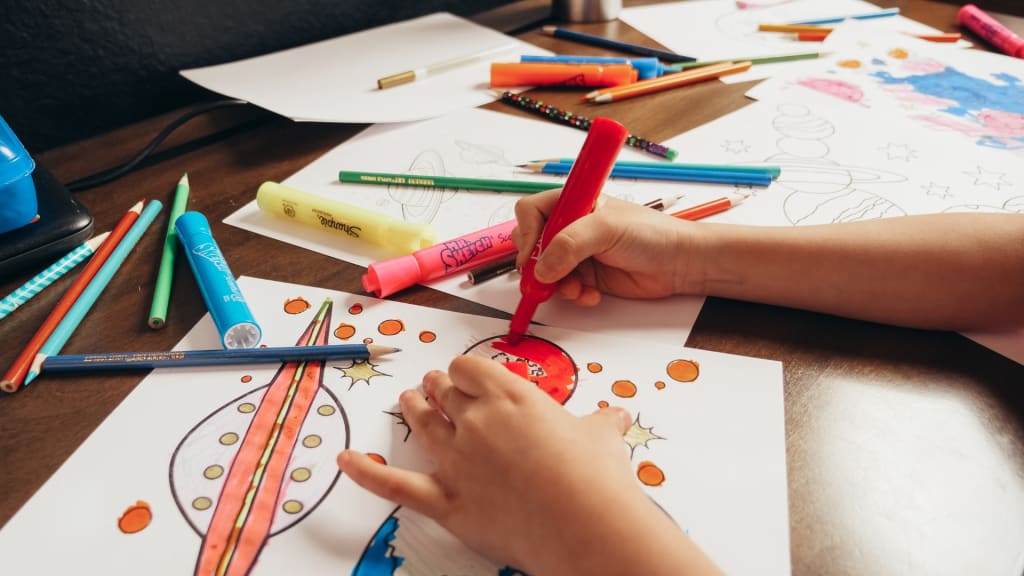
When we think about a child’s development, we often focus on academic skills like math, reading, and writing. However, there’s a foundational set of abilities that come into play before children can even start writing letters or reading sentences—fine motor skills and hand-eye coordination. Having witnessed how essential these skills are in my own teaching experience, I’ve developed a deep appreciation for activities that nurture them.
One simple, cost-effective, and highly engaging way to develop these skills is through coloring pages. I personally love recommending cutecoloringpages4kids to parents and teachers because it offers a variety of templates that cater to different developmental stages.
What Are Fine Motor Skills and Hand-Eye Coordination?
Fine Motor Skills: These refer to the ability to make precise movements with small muscles in the hands, fingers, and wrists. Activities like buttoning a shirt, tying shoelaces, writing, and coloring all require fine motor control.
Hand-Eye Coordination: This skill is all about synchronizing what the eyes see with what the hands do. Sports, video games, and even everyday tasks like pouring a glass of water rely heavily on this coordination.
“Fine motor skills and hand-eye coordination serve as the physical building blocks upon which academic skills are built.”
The Role of Coloring Pages in Motor Development
Grip and Control
Coloring with crayons, pencils, or markers naturally encourages children to practice their grip. As a child learns to color within lines, they become more adept at controlling the writing instrument.
Spatial Awareness
Coloring within or around shapes helps children develop an understanding of boundaries and proportions. They begin to recognize how objects relate to each other in space.
Repetition and Muscle Memory
As children repeatedly color, they strengthen the small muscles in the hands. Over time, this muscle memory translates into neater handwriting and better control over other fine motor tasks.
How Teachers Can Use Coloring Pages to Boost Motor Skills
I’ve personally found that incorporating coloring sessions into the classroom routine can help track and facilitate progress in motor development. Here are some strategies:
Progressive Coloring Sheets: Start with larger images that have wide outlines. As children get comfortable, move on to sheets with more detailed lines and smaller spaces to color.
Group Challenges: Encourage children to color together and compare techniques. This not only promotes social interaction but also allows kids to learn from each other’s approaches.
Special Tools: Let students experiment with different coloring tools—thicker crayons for younger kids, fine-tip markers for older ones. This ensures they get used to various grips and pressures.
“Over the course of a semester, I watched students who struggled to hold a pencil steadily become noticeably more confident simply by spending 10 minutes each morning coloring.”
Activities to Reinforce Hand-Eye Coordination
Coloring pages don’t have to exist in a vacuum. Pair them with other activities to create a holistic approach:
Tracing Lines
Before coloring, have children trace the outlines of the shapes in pencil. This tracing exercise further refines their motor control and helps them get used to the boundaries they’ll color within.
Matching Games
Print out two copies of the same coloring page. Color one yourself and ask your child or student to match your color choices. This game-like approach requires them to analyze color and position.
Guided Drawing
Encourage children to replicate part of the coloring page on a blank sheet. For instance, if they are coloring a cat, have them draw a simple cat head on their own paper. This process sharpens observation skills and coordination.
First-Person Tips for Parents at Home
Use a Variety of Coloring Tools
Try crayons, markers, colored pencils, and even paints. This variety keeps children engaged and helps them practice different grip and pressure techniques.
“Watching my own kids switch between thick crayons and fine-tip markers was eye-opening—each tool forced them to adapt and refine their grip.”
Create a Dedicated Coloring Station
Have a small corner or table stocked with coloring supplies. When children see it, they’ll be more inclined to engage in constructive coloring time, reinforcing those fine motor skills regularly.
Integrate Everyday Items
During coloring sessions, let children use small stickers to decorate their pages. Peeling and placing stickers is another excellent way to hone fine motor control.
Expanding Motor Skill Development
While coloring is a fantastic tool, it shouldn’t be the only means of developing fine motor skills and hand-eye coordination. Complement coloring with these activities:
Play Dough: Molding and shaping dough strengthens hand muscles in fun, creative ways.
Beading and Lacing: Threading beads onto a string or lacing shoelaces is a targeted exercise for hand-eye coordination.
Cutting Practice: Supervised cutting with safety scissors can improve grip and precision.
Puzzle Assembly: Jigsaw puzzles require matching shapes and images, reinforcing visual-motor integration.
Coloring and the Progress to Writing
A key academic milestone for young children is learning to write legibly. Often, parents and educators notice that coloring ability correlates with the ability to form letters properly:
Letter Formation: Children who can color within lines have more control over forming specific shapes needed for letters.
Stamina: The small muscles built up through coloring help children hold a pencil for longer periods without fatigue.
Confidence: Mastering the skill of coloring fosters a sense of achievement, which can translate into a more enthusiastic approach to writing.
“It’s remarkable how a child’s confidence in coloring can spill over into their excitement for learning letters and words.”
Suggested Coloring Themes for Better Engagement
Alphabet Coloring Pages
Each letter is paired with a picture of an object starting with that letter. This dual approach reinforces phonics and letter recognition.
Number and Shape Coloring Pages
Combining numbers or shapes within a coloring sheet allows children to recognize patterns and associate them with everyday concepts.
Seasonal and Holiday Themes
Keep things fresh and relatable by aligning coloring sessions with current holidays or seasons. Kids love coloring pumpkins in the fall, snowmen in the winter, and flowers in the spring.
The Link to Social and Emotional Development
Though fine motor skills and hand-eye coordination are the focus, coloring can also promote social and emotional well-being:
Calming Effect: The repetitive, focused action of coloring often helps children relax, which can lead to better emotional regulation.
Teamwork: Group coloring sessions can teach children patience and turn-taking. They learn to share tools and workspace amicably.
Conclusion
Coloring pages offer a delightful and practical way to foster the fine motor skills and hand-eye coordination crucial for a child’s academic and everyday success.
In my experience, even short coloring sessions can make a noticeable difference over time. Coupled with other creative activities, coloring becomes a gateway to better focus, improved control, and a boosted sense of achievement in young learners. Whether you’re a teacher aiming to enhance classroom instruction or a parent seeking constructive yet fun activities at home, coloring pages remain an invaluable tool in your developmental toolkit.
“We often underestimate the power of small steps. But with each purposeful coloring session, children inch closer to becoming skilled, confident learners.”
About the Creator
Hamza Majeed
I am SEO and creative writing expert
Keep reading
More stories from Hamza Majeed and writers in Families and other communities.
Can Kittens Eat Adult Cat Food?
Imagine this: You’ve just brought home a fluffy little kitten, and as it explores its new surroundings, you notice its curiosity extends to your adult cat’s food bowl. Those wide eyes glance at the dry, crunchy kibble, and you start wondering: Can my kitten eat adult cat food? Well, hold on to that thought, because while those kitten eyes might say "yes," your kitten’s tummy and health might have a different answer!
By Hamza Majeedabout a year ago in Education
Wise~Guys
— Look Behind what's in Front of You ~ Make Good Choices — Hey, So how you Doin'..! Made~Men — Mobster Movies romanticise a distinctive, elegant appearance, impeccable attire style, along with the 'Families' expressive lingo. Making their 'Bones' gave them Panache — with vintage fedoras, tailored pin-striped suits, mirror-polished wing-tip shoes adorned with tassels; with their 'Gun Moll' gorgeous dates on their arms.
By Jay Kantor25 days ago in Families
A Story of Leavie Scott
Leavie Scott’s story begins with a simple but powerful belief: that growth is possible at any stage of life. From an early age, Leavie understood the value of resilience, shaped by family influence and real-life experience rather than shortcuts or easy answers. Growing up, the lessons that mattered most were not always spoken aloud—they were shown through perseverance, responsibility, and the expectation that hard work would eventually open doors.
By Organic Products 2 days ago in Families




Comments
There are no comments for this story
Be the first to respond and start the conversation.