
Horseback Riding Crash Course: Master the Basics Fast
horse back riding lessons

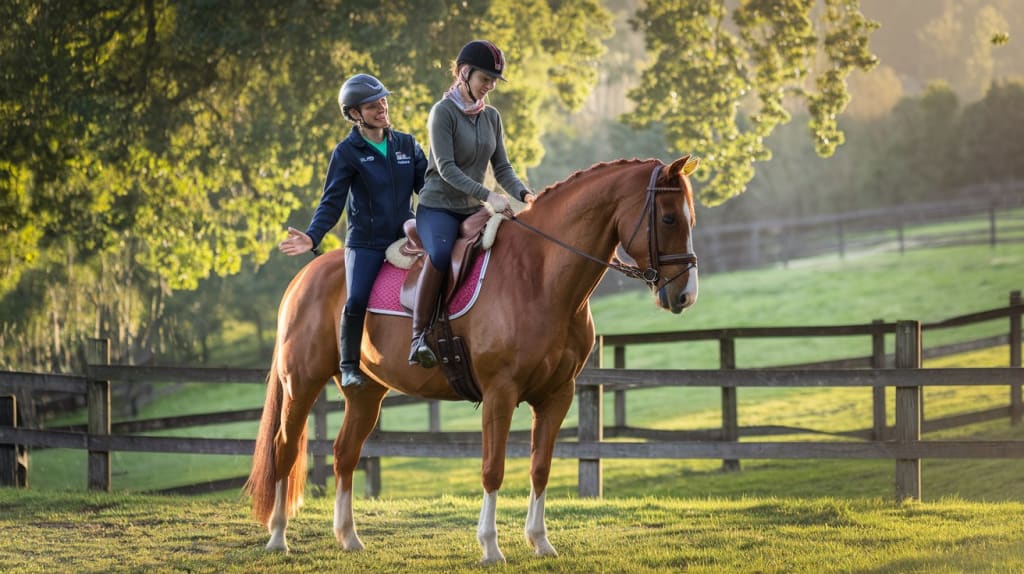
Horseback Riding Crash Course: Master the Basics Fast
Horseback riding offers a unique thrill and connection to nature. Whether you dream of galloping through fields or competing in events, a crash course can help you hit the ground running. This guide showcases how to quickly master the essentials of horseback riding.
The Allure of Horseback Riding
Discover the freedom and excitement that comes with riding. It's not just about riding; it’s about bonding with the horse and experiencing the world from a new height.
Why a Crash Course? Time Efficiency and Focused Learning
A crash course is perfect for busy schedules. You get tailored lessons to learn essential skills fast without the long commitment of traditional classes.
Setting Realistic Expectations: What You Can Achieve
Understand your starting point. Aim to grasp basics like mounting, steering, and stopping. Progress takes time, but with focus, you’ll see results.
Finding the Right Crash Course & Instructor
Choosing a Reputable Riding School: Accreditation and Reviews
Look for schools with good reputations. Check online reviews and ask fellow riders for recommendations. Accreditation ensures they meet certain standards.
Assessing Instructor Qualifications & Experience: Certifications and Testimonials
Your instructor should have solid qualifications. Look for certifications from recognized bodies and read student testimonials to gauge their teaching style.
Essential Gear: What to Bring and What to Rent
Basic gear includes:
• Riding helmet (always wear one)
• Comfortable riding boots
• Long pants for protection
• Gloves (optional but helpful)
Many stables rent gear, so ask about what’s available.
Essential Riding Skills: From Mounting to Posture
Mastering the Mount and Dismount: Safety First
Learn to mount and dismount smoothly. Use a mounting block if needed. Always check your surroundings before getting on or off the horse.
Maintaining Proper Posture and Balance: Core Engagement is Key
Sit straight with your shoulders back. Keep your heels down to maintain balance. Engage your core to help stay stable while riding.
Basic Horse Communication: Understanding Your Equine Partner
Gain rapport with your horse through touch and voice. Horses pick up on your energy. Stay calm and confident for a better connection.
Controlling Your Horse: Aids and Commands
Using Your Legs and Seat for Direction: Subtlety is Key
Your legs guide your horse. Squeeze gently to signal movement. Use your body weight to shift directions rather than yanking on the reins.
Applying the Reins: Steering and Slowing Down
Hold the reins lightly. Pull back to slow down. To turn, apply slight pressure on the side you want to go.
Mastering the Halt and Turn: Precision and Control
Practice stopping by pulling back on the reins and sitting deep in the saddle. Turn by looking where you want to go, then applying pressure with your legs.
Safety First: Risk Management and First Aid
Common Riding Hazards and How to Avoid Them: Statistics on Riding Injuries
Be aware of risks. Common injuries stem from falls and collisions. Always wear a helmet and check your gear before riding.
Essential First Aid Knowledge for Horseback Riders: Resources and Training
Know basic first aid. Take a course if possible. Understand how to treat cuts and bruises, and when to call for help.
Emergency Procedures: When to Seek Professional Help
If you or your horse is injured, don't hesitate to seek help. Learn local vet and emergency contacts ahead of time.
Beyond the Crash Course: Continuing Your Riding Journey
Finding Ongoing Lessons and Practice Opportunities: Local Riding Clubs and Stables
Join local riding clubs for continued lessons. These groups provide a supportive environment to enhance your skills and meet fellow riders.
Exploring Different Riding Disciplines: English vs. Western
Consider various riding styles:
• English Riding: Formal, focuses on precision.
• Western Riding: More relaxed, great for trail riding.
Setting Long-Term Riding Goals: From Trail Rides to Competitions
Set achievable goals. Whether you want to ride on trails or enter competitions, having a target keeps you motivated.
Conclusion: Ride into the Sunset (Confidently!)
Key Takeaways: Recap of Essential Skills and Safety Tips
Review your skills regularly. From riding posture to understanding horse behaviour, these are crucial elements.
Resources for Further Learning: Books, Websites, and Associations
Explore books on horseback riding, visit websites, and join associations. These resources can expand your knowledge.
Embrace the Journey: The Rewards of Horseback Riding
Every ride teaches you something new. Enjoy the journey and the unique bond you create with your horse.
About the Creator
S Rajesh Kumar
Hey! I'm a freelance writer and UFO (Divine Craft) summoner and researcher, passionate about unraveling mysteries. I dive into Sci-Fi, Mystery, Thriller, and Suspense to craft intriguing stories, useful articles. Follow me and Stay tuned!
Keep reading
More stories from S Rajesh Kumar and writers in Families and other communities.
What It Means To Be A Hockey Mom
First of all, hockey moms watch hockey! I was watching the local team in the playoffs today. They looked good in the beginning, and then there was a tie, and they went into overtime. Anyone's game! They lost to a team that hadn't been to the playoffs for over forty years!
By Denise E Lindquist4 days ago in Families
My Body Found the Red Flags Before My Brain Did
The Weight of the Interior: An Unfinished Map of a Marriage The stiff blue cotton of my nursing scrubs still smells like the clinical lab, a scent that shouldn’t feel like a relief, but it does. There is a brown cardboard box sitting on the laminate counter, its tape shredded open by a house key because he couldn't wait the ten minutes I asked for while I was finishing a call.
By Brooks Ghost Max 6 days ago in Families
Writing To Succeed
If you want to find something that will help readers find your writing, possibly expand your audience, and maybe even get you noticed for other things, then you’re not alone. But how can you get it done in a world full of want-to-be writers? Look less at what you’re writing now, and more at what other writers have used to boost their views and reads.
By Jason Ray Morton 2 days ago in Writers



Comments
There are no comments for this story
Be the first to respond and start the conversation.