
Home Brewing and Winemaking: A Beginner's Guide to Crafting Your Own Beverages
beer and wine making
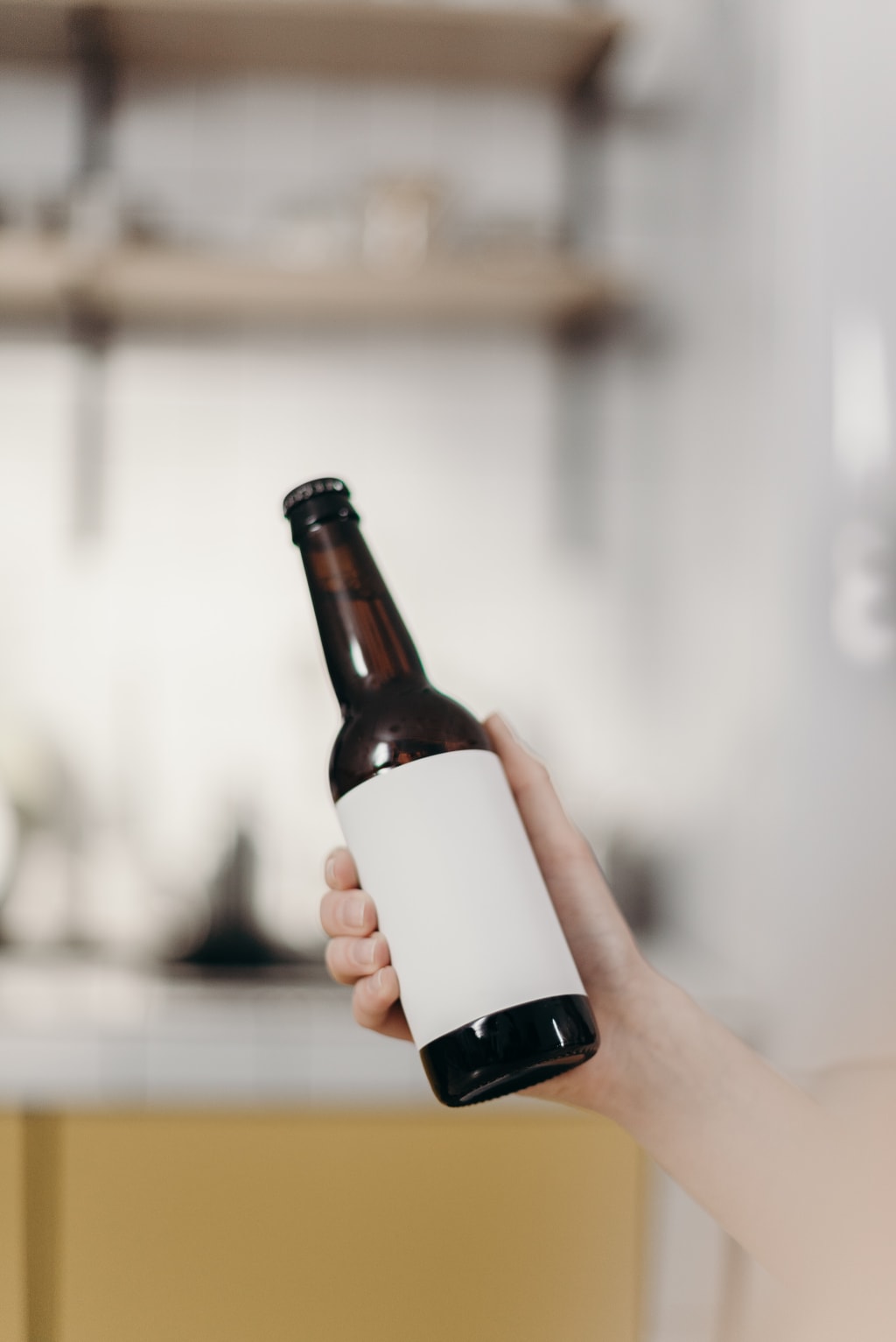
Introduction:
Home brewing and winemaking have become popular hobbies for enthusiasts who enjoy the art of creating their own unique beverages. Whether you're interested in brewing beer or making wine, the process can be both rewarding and enjoyable. In this beginner's guide, we'll explore the basic steps and equipment needed to embark on your own brewing and winemaking journey.
Getting Started:
a. Research and Education: Begin by learning about the brewing and winemaking processes. Familiarize yourself with the ingredients, equipment, and techniques involved. Books, online resources, and local brewing/winemaking clubs can be excellent sources of information.
b. Equipment: Acquire the necessary equipment for your chosen venture. This may include fermentation vessels, airlocks, siphoning equipment, hydrometers, and sanitizing agents. Quality equipment is essential for producing consistent and safe beverages.
products for beer and winemaking
Beer Brewing:
a. Ingredients: Beer brewing typically involves malted grains, hops, yeast, and water. Experiment with different malt profiles, hop varieties, and yeast strains to create diverse flavors and styles.
b. Brewing Process: The brewing process includes mashing (extracting sugars from grains), boiling the wort (malted grain liquid), adding hops for bitterness and aroma, cooling, fermenting with yeast, and bottling or kegging the finished beer.
c. Patience and Quality Control: Proper fermentation and conditioning are crucial for achieving desirable flavors. Maintain suitable temperatures, monitor specific gravity with a hydrometer, and allow sufficient time for carbonation and maturation.
Winemaking:
a. Grapes or Fruit Selection: Choose high-quality grapes or fruits based on their variety, ripeness, and sugar content. Different fruits yield unique flavors and characteristics in the final wine.
b. Crushing and Pressing: Crush the grapes or fruits to release their juice. Pressing extracts additional juice while leaving behind skins and solids. Some winemakers prefer using pre-pressed juices or concentrates.
c. Fermentation and Aging: Add wine yeast to initiate fermentation, converting sugars into alcohol. Transfer the wine to a secondary fermentation vessel, and allow it to age for several months to develop complex flavors and aromas.
d. Clarification and Bottling: Clarify the wine by racking (siphoning) it off sediments and using fining agents if necessary. Once clear, the wine can be bottled, corked, and aged further for optimal results.
Safety and Hygiene:
Maintain proper sanitation practices throughout the brewing and winemaking process to prevent contamination and off-flavors. Clean and sanitize all equipment, including bottles, before use. Follow good hygiene practices to ensure the safety and quality of your beverages.
Conclusion:
Home brewing and winemaking offer a creative outlet for those interested in crafting their own flavorful beverages. By understanding the basic steps, investing in quality equipment, and embracing the learning process, you can embark on an exciting journey of experimentation and enjoyment. So, gather your ingredients, hone your skills, and raise a glass to the art of home brewing and winemaking!
Note: This article provides a general overview of home brewing and winemaking. It is essential to conduct further research, follow specific recipes, and adhere to local laws and regulations when engaging in these activities.
Remember to have fun, be responsible, and always enjoy your homemade creations in moderation. Cheers!
Certainly! Here are some additional details you can include in the article about home brewing and winemaking:
Home Brewing:
a. Styles of Beer: Discuss popular beer styles such as lagers, ales, stouts, and IPAs. Explain the characteristics and flavors associated with each style.
b. Brewing Techniques: Dive deeper into brewing techniques such as all-grain brewing, partial mash brewing, and extract brewing. Explain the differences and benefits of each method.
c. Yeast Varieties: Highlight different yeast strains commonly used in brewing and how they contribute to the flavor profile of the beer.
d. Hops: Explore the variety of hops available and their impact on bitterness, aroma, and flavor in beer. Discuss the hop addition schedule during the brewing process.
e. Fermentation and Carbonation: Provide details on the fermentation process, including temperature control, yeast pitching rates, and how to carbonate the beer effectively.
Winemaking:
a. Grape Varieties: Discuss popular wine grape varieties and their characteristics. Explain the differences between white, red, and rosé wines.
b. Fermentation Techniques: Explain the process of primary fermentation and secondary fermentation in winemaking. Discuss the use of additives such as yeast nutrients and enzymes.
c. Aging: Detail the importance of aging wine and the different vessels used for aging, such as oak barrels or stainless steel tanks. Discuss the impact of aging on the flavor and texture of the wine.
d. Wine Stabilization and Clarification: Describe techniques for stabilizing and clarifying wine, such as fining agents, filtration, and cold stabilization.
e. Sweetness Levels: Explain the concept of residual sugar and how winemakers control the sweetness levels in wine, ranging from dry to sweet.
Troubleshooting and Tips:
a. Common Issues: Address common problems that home brewers and winemakers may encounter, such as off-flavors, fermentation issues, or clarity problems. Provide troubleshooting tips to help overcome these challenges.
b. Sanitation Practices: Emphasize the importance of maintaining proper sanitation throughout the brewing and winemaking process to avoid contamination and off-flavors.
c. Equipment Recommendations: Offer recommendations for essential brewing and winemaking equipment, including specific brands or models that beginners can consider.
d. Storage and Cellaring: Provide guidance on how to store and cellar brewed beer or wine properly to maintain their quality and flavor over time.
Remember to balance technical details with accessible language and provide step-by-step instructions or tips for beginners. Including personal anecdotes or experiences can make the article more engaging and relatable to readers.
beer and wine making
it's good to try new things
keep following us
About the Creator
A Mum Who Didn’t Realise a MIAM Could Help Avoid Court
For a long time, I believed that what was happening to me was the kind of thing that could only be sorted out by a judge. I genuinely thought that was how it worked. You split up, things got complicated, and eventually you ended up sitting in a waiting room somewhere, clutching a folder of documents, hoping the legal system would take your side.
By Jess Knauf2 days ago in Families




Comments