
Hemis National Park: The Hidden Gem of Ladakh’s Wilderness
A World Untouched by Time
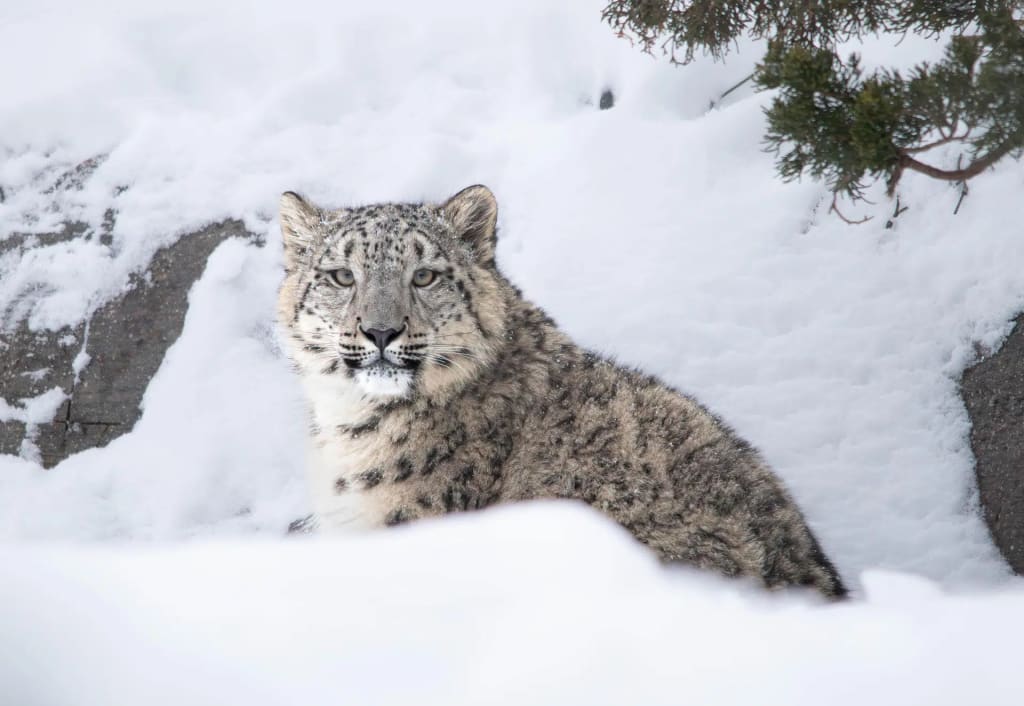
Nestled in the raw, breathtaking landscapes of Ladakh, Hemis National Park is a sanctuary of tranquility and untamed beauty. Known as the largest national park in India, it spans 4,400 km², offering some of the world’s best wildlife encounters—most notably with the elusive Snow Leopard. But Hemis is more than just a wildlife hotspot. It’s a realm of high-altitude adventure, pristine Himalayan views, and a rich ecological heritage that remains untouched by modern hustle. In this guide, we’ll explore Hemis National Park from a traveler’s perspective, uncovering its best trekking routes, wildlife sightings, visitor tips, and why it should be on every explorer’s bucket list.
The Magic of Hemis National Park
A Land Like No Other
Unlike typical jungle safaris, Hemis offers an unparalleled wilderness experience, set against the rugged terrains of Ladakh. The park is home to not just Snow Leopards, but also Tibetan Wolves, Red Foxes, Eurasian Brown Bears, Bharal (Blue Sheep), and Asiatic Ibex—making it one of India’s most biodiverse reserves.
Why Is It Famous?
🌏 Highest Density of Snow Leopards Globally
🏔️ Breathtaking Trekking Routes Like Markha Valley
📜 Hemis Monastery (Founded in 1630) Adds a Cultural Dimension
🏕️ Camping Under the Himalayan Sky
This untouched beauty, far from tourist crowds, creates an immersive, meditative experience—a true disconnect from city life.
Best Time to Visit: Planning Your Trip
Hemis National Park is accessible year-round, but the best months for wildlife spotting and trekking are:
✅ May to October → Ideal for hiking, camping, and enjoying pleasant weather. ✅ Winter (November - March) → Best for spotting Snow Leopards, although temperatures plummet below -10°C.
For those seeking adventure, winter expeditions with expert naturalists can offer once-in-a-lifetime experiences tracking Snow Leopards.
How to Get There
🛫 By Air → Leh’s Kushok Bakula Rimpochee Airport is the nearest airport (47 km away). 🚄 By Train → The closest stations are Jammu Tawi & Kalka, from where you’ll need to take a road journey. 🚘 By Road → Private taxis and public transport provide access to Hemis, although some routes require trekking.
Trekking & Safari Adventures
Since vehicles aren’t allowed inside the park, trekking is the main way to explore. Some of the best trekking routes include:
🧗 Markha Valley Trek → A two-day trek through ancient villages, leading deep into the park’s heart. 🏔️ Grand La Pass → Opens in summer and winter, offering breathtaking snow-covered landscapes. 🏕️ Camping Spots → Choose from six villages within Hemis, ideal for setting up tents under the starlit sky.
For those looking for wildlife photography, these routes offer prime Snow Leopard sighting zones, with naturalists guiding expeditions.
Must-See Attractions Beyond Wildlife
🐆 Snow Leopard Trek Expeditions 🏔️ Pristine Himalayan Views from High-Altitude Camps 🏕️ Remote Villages Offering an Authentic Ladakhi Experience 🕍 Hemis Monastery: A Cultural & Spiritual Marvel
The Hemis Festival, held in June/July, is a spectacle of masked dances, local traditions, and stunning monastery performances.
Final Thoughts: Why Hemis National Park Deserves More Recognition
Hemis remains one of India’s best-kept secrets. Unlike crowded reserves, it promises intimate wilderness experiences, allowing adventurers to immerse themselves in nature while connecting with Ladakh’s rich heritage.
For wildlife lovers, trekkers, and those seeking an off-the-grid retreat, Hemis is an unmatched destination.
How to Get There
Reaching Hemis National Park is hassle-free with multiple transport options:
By Air: Leh’s Kushok Bakula Rimpochee Airport (47 km from the park) offers convenient access.
By Train: Jammu Tawi and Kalka railway stations are the nearest.
By Road: Private taxis and public transport ensure connectivity across tricky terrains.
🚀 Plan your journey now! Check out this detailed guide for expert travel insights & booking details.
About the Creator
Keep reading
More stories from Talib Khan and writers in Families and other communities.
Finding Comfort in Gurgaon: A Personal Experience at a 2BHK Serviced Apartment Near Artemis Hospital
Traveling for medical reasons can be a daunting experience. The stress of medical appointments, unfamiliar environments, and the need for comfortable accommodation can be overwhelming. During a recent trip to Gurgaon to support a family member undergoing treatment at Artemis Hospital, I discovered a place that truly felt like a second home — a 2BHK serviced apartment just minutes away from the hospital.
By Talib Khan9 months ago in Families
Wise~Guys
— Look Behind what's in Front of You ~ Make Good Choices — Hey, So how you Doin'..! Made~Men — Mobster Movies romanticise a distinctive, elegant appearance, impeccable attire style, along with the 'Families' expressive lingo. Making their 'Bones' gave them Panache — with vintage fedoras, tailored pin-striped suits, mirror-polished wing-tip shoes adorned with tassels; with their 'Gun Moll' gorgeous dates on their arms.
By Jay Kantor21 days ago in Families
Malka Shaw, LCSW: Orthodox Jewish Community, Belonging, and Resilience
Malka Shaw is an Orthodox Jewish social worker (LCSW) and educator who focuses on trauma, antisemitism, and Jewish community resilience. She founded Kesher Shalom Projects, offering workshops and support groups that build leadership, communication, unity, and Jewish pride. Raised loosely Conservative and drawn in adolescence to Reform youth programming, she describes her move toward Orthodoxy as a gradual, decades-long process deepened through immersive volunteering in Israel and sustained study. In clinical and communal settings, Shaw applies social-work principles—especially the principle of meeting people where they are—to help individuals and leaders turn isolation into connection and purposeful belonging. She trains allies in cultural competency.
By Scott Douglas Jacobsen2 days ago in Families
Smart phones, Humans and Aliens.
WARNING. I will be tapping into one of your favorite creative tensions: The absurdity of humans worshipping their glowing rectangles as if they were tiny oracles. There’s something deliciously poetic about that contradiction, and it lends itself beautifully to an instructive proviso.
By Novel Allen5 days ago in Poets



Comments
There are no comments for this story
Be the first to respond and start the conversation.