
Health benefits of olive oil
Introduction
Olive oil is a versatile fat made by crushing and deseeding olives to extract the oil. This nutritious oil is rich in protective compounds with various health benefits, including protection against heart disease and type 2 diabetes. It's an important part of a variety of diets that are considered the healthiest eating habits in the world. Here's everything you need to know about olive oil, including its nutritional content, potential health benefits, and how to incorporate it into your diet.
Promotes heart health
Heart disease is the leading cause of death. Diet and lifestyle choices help reduce the risk of heart disease by promoting healthy blood lipid levels and blood pressure, improving vascular function, and preventing atherosclerosis. Atherosclerosis is a medical term that describes the thickening or hardening of the arteries caused by plaque buildup. Plaque slowly forms over time when fat, blood cells, cholesterol, and other substances build up in the arteries and restrict blood flow. Atherosclerosis is the main cause of heart disease. A diet rich in olive oil, common among people living on the Mediterranean coast, has been shown to protect against heart disease risk factors such as atherosclerosis. Olive oil is composed of compounds like phenolic antioxidants that reduce the formation of inflammatory molecules that promote atherosclerosis. For example, oleuropein is a phenolic compound found in olive oil that reduces inflammation and inhibits the expression of adhesion molecules that play an important role in the development and progression of atherosclerosis. Studies show that a diet rich in olive oil may help reduce the progression of atherosclerosis. A 2021 study of 939 people with heart disease found that participants who followed a diet rich in olive oil for 7 years had less progression of atherosclerosis. Carotid artery plaque levels compared to those on a low-fat diet additionally, regular consumption of olive oil can lower LDL cholesterol, increase heart-protective HDL cholesterol, and lower blood pressure, all of which can help prevent heart disease. A 2022 study that included data from 92,978 Americans found that those who consumed at least half a tablespoon of olive oil a day had a 14% lower risk of heart disease than those who consumed no olive oil.
Olive oil is rich in anti-inflammatory and antioxidant compounds.
One of the main reasons why consuming olive oil may reduce your risk of disease is because it contains compounds that help reduce inflammation and protect cells from damage.
Olive oil contains over 200 plant components, including carotenoids, sterols, and polyphenols such as hydroxytyrosol (HT) and hydroxytyrosol acetate (HT-ac), that act as powerful antioxidants in the body. These compounds inhibit inflammatory pathways in the body and may help reduce inflammatory markers such as C-reactive protein (CRP) and interleukin-6 (IL-6).
A review of 30 studies in 2015 that included 3,106 participants found that supplementation with olive oil in doses between 1 milligram (mg) and 50 mg per day resulted in a significant reduction in CRP and IL-6 compared to control treatments. As olive oil is very high in anti-inflammatory components, it can benefit those with inflammatory diseases like rheumatoid arthritis (RA). A study that included 365 people suffering from RA found that higher consumption of olive oil was linked with a significant beneficial effect on RA disease activity and lower levels of inflammatory markers like CRP.
Olive oil can help reduce the risk of common health conditions.
If we include more olive oil in our diet, it can help lower our risk of common diseases, such as type 2 diabetes, and may help us live a longer, healthier life. A 2017 review of four units of studies and 29 randomized control trials found that people in the highest olive oil intake category had a 16% lower risk of developing type 2 diabetes compared to people in the lowest intake category. Moreover, the review found that olive oil supplementation improved signs of long-term blood sugar control and fasting blood sugar in people with type 2 diabetes compared with control groups, meaning that olive oil can be effective for preventing type 2 diabetes and improving health outcomes in people with existing diabetes. Another study in 2022 found that each additional 25-gram serving per day of olive oil was linked with a significant 22% reduction in the risk of type 2 diabetes. The review also found that olive oil consumption lowered the risk of death from all causes. Additionally, a 2022 study that included data on 92,383 Americans found that the participants who consumed the most olive oil had a 17% lower risk of cancer-related mortality, a 29% lower risk of neurodegenerative disease-related mortality, and an 18% lower risk of respiratory disease-related mortality. The researchers concluded that replacing ten grams per day of fats like butter, mayonnaise, and margarine with the same amount of olive oil was associated with an 8%–34% lower risk of death from all causes.
Nutritional value of olive oil
Olive oil is a healthy fat rich in vitamin E, a nutrient that acts as a powerful antioxidant in the body. Most of the fats in olive oil are unsaturated, making it a smart choice for heart health. The nutritional content of 1 tablespoon of olive oil is:
• Calories: 126
• Fat: 14 grams (g)
• Saturated fat: 2.17 grams
• Monounsaturated fat: 9.58 grams
• Polyunsaturated fat: 1.33 grams
• Vitamin E: 2.93 mg, or 20% of the Daily Value (DV).
Olive oil is primarily composed of monounsaturated fats and contains very little saturated fat. The monounsaturated fats found in olive oil, especially oleic acid, are beneficial for heart health. Studies show that replacing saturated fats, such as butter, with monounsaturated fats, such as olive oil, may reduce the risk of heart disease.
Olive oil is also a good source of vitamin E, a nutrient that plays an important role in immune function and protects cells from oxidative damage that can lead to disease.
Most people in the United States do not consume enough vitamin E-rich foods. Some evidence suggests that about 96% of women and 90% of men in the United States have inadequate intake of vitamin E, which can adversely affect their overall health. Luckily, adding more olive oil to your diet is an easy way to increase the absorption of this essential nutrient.
Olive oil risks
Olive oil is considered a healthy fat and is safe for most people. However, people with olive allergies should avoid all olive-derived products, including olive oil. Also, like other fats, olive oil is high in calories. Just 1 tablespoon contains 126 calories and 14 grams of fat. However, high-calorie, high-fat foods such as olive oil, nuts, and avocados can be enjoyed regularly as part of a balanced, nutritious diet. However, people trying to lose weight should reduce their intake of high-calorie foods such as oils to create a calorie deficit and promote fat loss.
Olive oil consumption tips
Olive oil may be added to many sweet and savory recipes and is suitable for low-to-moderate-heat cooking methods like frying and baking.
Remember that virgin olive oils, including extra virgin olive oils, have a lower smoke point than refined olive oils. The "smoke point" is the temperature at which an oil begins to smoke. The smoke point of extra virgin olive oil lies between 350 and 4100 F, while the smoke point of refined olive oil may be in the range of 390 to 4700 F, making refined olive oil a better choice for higher-heat cooking. Here are some easy methods to incorporate more olive oil into your diet:
• Sprinkle extra virgin olive oil on finished dishes like pasta and roasted vegetables.
• Use olive oil to make homemade salad dressings, hummus, and pesto.
• Sprinkle olive oil over fruit-based dishes like watermelon, mint, and feta salad.
• Use olive oil in place of butter or vegetable oil for low- and moderate-heat cooking.
• Use olive oil to make baked goods like cakes and bread.
• Mix olive oil, minced garlic, salt, and pepper to make an easy dip for freshly baked bread.
There are many other ways to use olive oil in your kitchen, so don't be afraid to experiment with this versatile fat. Try substituting olive oil for various fats such as butter and vegetable oils in your favorite recipes. Also, stock your stash with quality olive oil so you always have healthy fat options to prepare delicious meals.
Some of the useful healthy ideas from folk
Health Benefits of Olive Oil and Lemon Juice
Anecdotally, olive oil and lemon juice are a powerful combination when combined. Some claim this combination can improve digestion, cleanse the body, relieve joint pain, prevent premature aging, and treat gallstones. However, no research to support is available for these claims. The health properties of olive oil and lemon juice do not appear to be enhanced by combining the two ingredients. On the other hand, some individual ingredients in olive oil and lemon juice may have other scientifically proven health benefits. You can also make delicious mixes that can be used in cooking.
Health Benefits of Olive Oil and Garlic
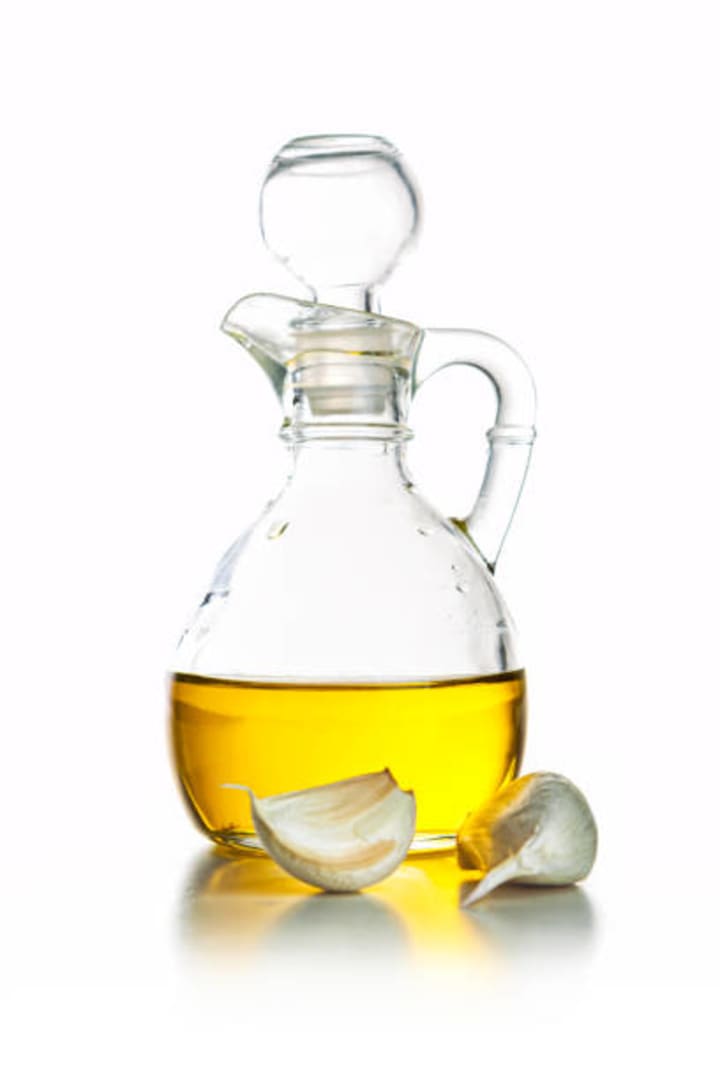
Olive oil with garlic is a great source of healthy fats. It contains the same monounsaturated fats as olive oil, which are good for your heart and may reduce your risk of heart disease. Garlic also contains omega-3 fatty acids, which are essential for brain development and maintaining healthy skin. Garlic-infused olive oil can be used in salad dressings or drizzled over pasta dishes to add flavor without adding calories. It adds a unique flavor to a dish without overpowering other flavors, making it a great drizzle over roasted vegetables and grilled meats. It can also be used as part of a marinade before cooking meat or fish. This will further improve the flavor when cooking.
Adding garlic to olive oil may seem like a crazy idea, but once you try this delicious combination, you'll want to eat it again and again.
Summary
Olive oil is supposed to be one of the healthiest oils you can use in your diet. This heart-healthy fat is rich in protective botanicals that help reduce inflammation and protect against cell damage.A diet high in olive oil has been associated with many health benefits, including a reduced risk of common health conditions such as heart disease and type 2 diabetes. Additionally, olive oil is multifaceted and can be used in both sweet and savory recipes. Consider keeping this all-purpose grease in your kitchen as an easy way to improve your health.
Study links.............https://dayowls.blogspot.com/2023/07/health-benefits-of-olive-oil.html
health2livefit.wordpress.com/2023/07/12/health-benefits-of-olive-oil/
About the Creator
ghulam muhammad
Name: Ghulam Muhammad
Freelance Health and wellness Blogger,
Blog sites: health2livefit.wordpress.com
https://dayowls.blogspot.com/
Keep reading
More stories from ghulam muhammad and writers in Families and other communities.
How to keep mosquitoes away
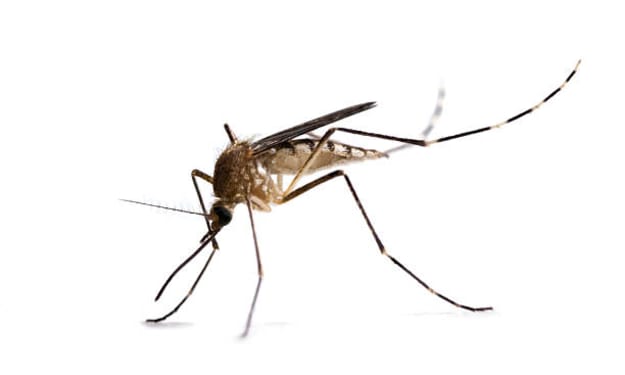
How to keep mosquitoes away Introduction Since it is summer, there are many small insects. You may have seen news about malaria being endemic in different parts of the world. Now let's talk about this little creature. Since humans have existed, mosquitoes have been flying around in search of food. This war often ends mortally. Mosquitoes kill more people than other insects because they are carriers of malaria and other diseases, including dengue fever and West Nile virus. Even if the mosquitoes in your area don't carry these diseases, they're still a nuisance. Here's how mosquitoes hunt us, what attracts them, and what scientists recommend to keep them at bay: Mosquitoes are one of the most adaptable and successful insects on the planet, and they live in special places. Virtually any water collection, whether natural or artificial, can encourage mosquito development. Gnats have also been spotted in mines about a mile below the surface and on mountain peaks as high as 4,000 feet, so if you know where to look, chances are good that you have them breeding in your own backyard. Not all types of mosquitoes cause problems for humans, but many do have serious negative effects. Mosquitoes are easily distinguished from other flies by having both a long, piercing proboscis and scales in the veins of their wings. About 3,000 species are known worldwide, only a few of which are important disease vectors, but many more are important nuisances that dramatically affect people's quality of life.
By ghulam muhammad3 years ago in Families
Wise~Guys
— Look Behind what's in Front of You ~ Make Good Choices — Hey, So how you Doin'..! Made~Men — Mobster Movies romanticise a distinctive, elegant appearance, impeccable attire style, along with the 'Families' expressive lingo. Making their 'Bones' gave them Panache — with vintage fedoras, tailored pin-striped suits, mirror-polished wing-tip shoes adorned with tassels; with their 'Gun Moll' gorgeous dates on their arms.
By Jay Kantor19 days ago in Families
The Portal of Creation:
Across ages and civilizations, the feminine principle has been revered not merely as a companion to creation, but as its very portal. The phrase “portal of creation” captures a truth whispered through myth, mysticism, and sacred geometry alike — that the universe expresses itself through a generative matrix, a womb of becoming. In this cosmology, creation is not a passive event but an eternal pulse flowing through the living body of the feminine.
By Living the Greatest CONSPIRACY Theory. By RG.about 11 hours ago in Families



Comments
There are no comments for this story
Be the first to respond and start the conversation.