
Has history changed your understanding of love?
Beyond "husband" and "wife": exploring alternative relationship models

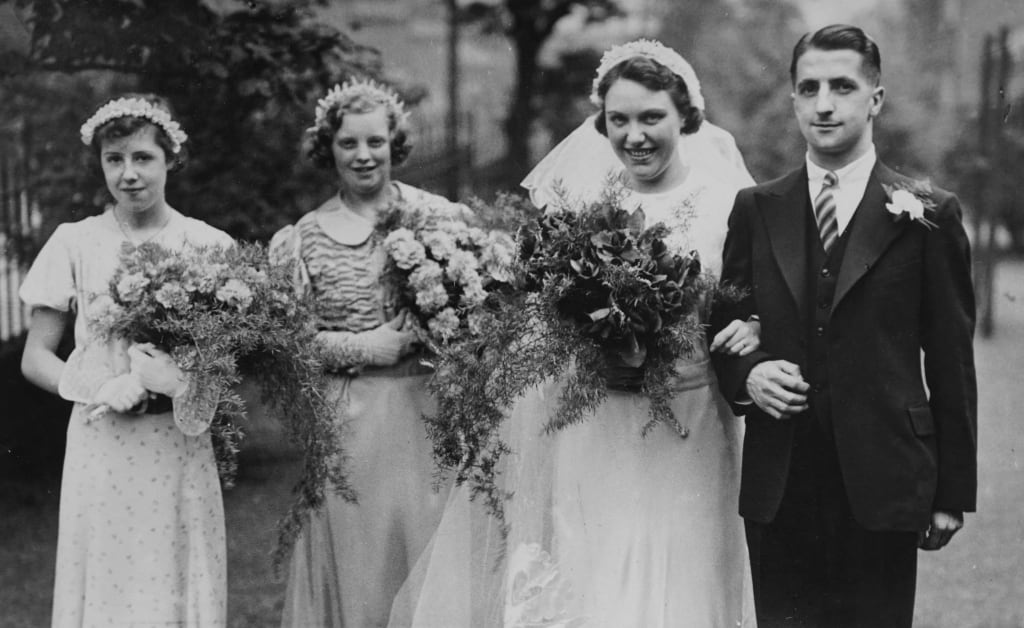
Throughout the 19th and 20th centuries, the relationship between men and women underwent significant changes. These changes were driven by a variety of factors, including economic, social, and cultural developments, as well as changing attitudes towards gender roles and sexuality. One of the most important aspects of this transformation was the way in which marriage and romantic relationships were understood and practiced.
At the beginning of the 19th century, marriage was primarily seen as a practical and economic institution rather than a romantic one. Men and women were expected to marry within their own social class and to prioritize considerations such as wealth, status, and family connections over personal attraction or compatibility. Divorce was rare and stigmatized, and women had few legal rights or opportunities outside of marriage.
As the 19th century progressed, however, a variety of social and cultural developments began to change the way that people thought about marriage and relationships. The rise of romanticism and individualism, as well as the growth of the middle class and the increasing importance of personal autonomy, all contributed to a new understanding of marriage as a partnership based on love, mutual respect, and emotional connection.
At the same time, changing economic and social conditions created new opportunities for women outside of marriage. The growth of industrialization and the expansion of the public sphere created new job opportunities for women, while the rise of feminism and the suffrage movement led to greater political and legal rights. These changes allowed women to assert themselves more fully in their relationships with men and to challenge traditional gender roles and expectations.
In the 20th century, these trends continued and intensified. The sexual revolution of the 1960s and 1970s challenged traditional norms around sexuality and monogamy, while the rise of feminism and gender studies led to greater awareness of the ways in which gender roles and power dynamics shape relationships. The growth of online dating and social media has also had a significant impact on the way that people meet and form relationships, making it easier than ever for individuals to connect based on shared interests, values, and experiences.
Throughout this period, the nature of love and romance has continued to evolve. While some critics argue that these changes have weakened the institution of marriage and eroded traditional values, others see them as a necessary and positive transformation that reflects the changing needs and aspirations of individuals and society as a whole.
In the end, the question of whether the history of love and relationships has changed our understanding of love is a complex one. While the social and cultural transformations of the past two centuries have undoubtedly had a profound impact on the way that men and women think about and practice love and romance, the fundamental human desire for connection and companionship remains constant. As we continue to grapple with questions around gender, sexuality, and the nature of love, it is clear that these issues will continue to shape our relationships and our understanding of ourselves for years to come.
One of the most significant changes in the relationship between men and women over the past two centuries has been the evolution of gender roles and expectations within marriage. As women have gained greater economic and social independence, traditional gender roles have become less rigid, and men have had to adapt to new expectations around household and child-rearing responsibilities.
In the mid-20th century, the feminist movement and the rise of women's liberation challenged traditional patriarchal structures and norms. Women demanded greater equality and autonomy within their relationships, and many men responded by becoming more supportive and egalitarian partners. This shift has continued into the 21st century, with more and more men taking on domestic responsibilities and participating in child-rearing, often in equal partnership with their female partners.
Another important aspect of this transformation has been the changing legal and social status of women within marriage. In many countries, women have gained greater legal rights and protections in marriage, including the right to own property and the ability to divorce their husbands if their needs are not being met. This has allowed women to assert themselves more fully in their relationships and to demand greater respect and equality.
Despite these changes, however, there are still many challenges facing modern couples. Gender inequality and the persistence of traditional gender roles continue to be major obstacles to healthy and fulfilling relationships, and many couples struggle with issues around communication, intimacy, and conflict resolution. In addition, economic and social pressures such as work stress, financial instability, and the demands of parenting can all take a toll on even the most loving and committed relationships.
About the Creator
March is here.
Here we are in another new month. Looking at the calendar already has dates that must be kept, in this month it has it up and down. It starts with many birthdays to be celebrated and then it turns to darkness with people that passed away in my family as it gets smaller and smaller every year.
By Terri Rosall5 days ago in Families
A Grandparent Who Couldn’t See Their Grandchildren After Divorce
I still set the table for five every Christmas Eve. Force of habit, I suppose. My husband Malcolm tells me I do it without thinking, and he's probably right. Two years of quiet Christmases and my hands still reach for the small plates, the ones with the holly border that Lily and Sam used to eat their turkey from. Lily would separate everything on her plate so nothing touched. Sam would pile it all up like a mountain and eat from the top down. I could tell you what they'd say when they walked through the door. I could tell you exactly how the afternoon would go.
By Family Law Service3 days ago in Families
Guard Your Battery
Why are some people so attractive just by standing there? It’s not because they are "likable," but because they don’t need everyone to like them. I realized later that truly charismatic people allow themselves to be criticized, but they never criticize themselves. They never try to please the world; instead, the world stops to watch them.
By Emily Chan - Life and love sharing2 days ago in Poets


Comments
There are no comments for this story
Be the first to respond and start the conversation.