
Guardians of the Dolls
Ensuring the Safety and Care of Treasured Figures

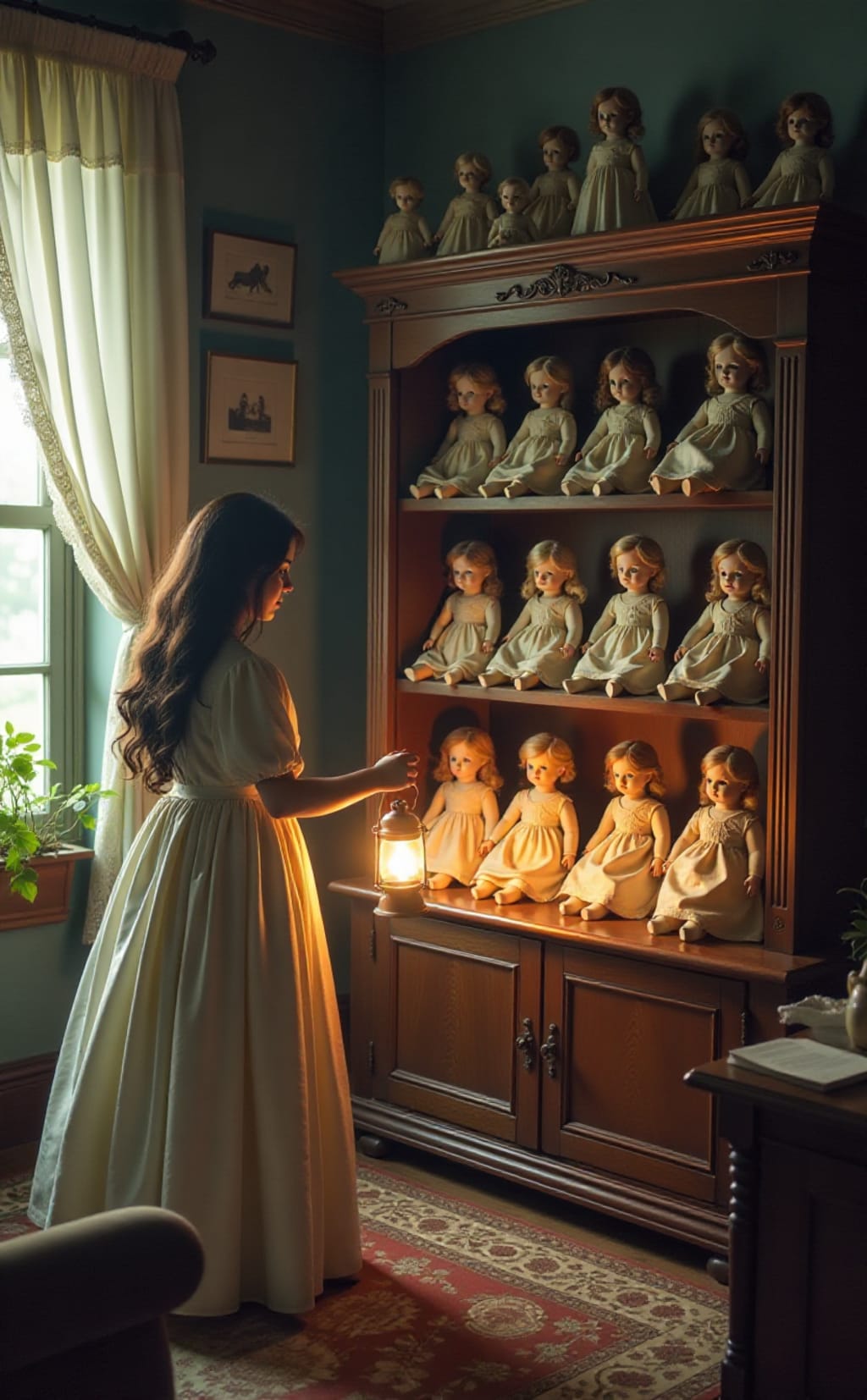
In a world constantly moving toward the future, where technology evolves faster than we can keep up and trends change in the blink of an eye, there’s a surprising group of individuals dedicated to preserving the past in a form that many might consider old-fashioned: dolls. These cherished figures, whether they are antique collectibles, handmade creations, or simply childhood companions, carry more than just sentimental value; they represent a connection to the past, an embodiment of history, culture, and personal memories. For those who understand the importance of these delicate figures, the act of protecting dolls is not merely about keeping them safe from physical harm but also about preserving the stories and traditions they carry with them.
The role of "Guardians of the Dolls" goes beyond just maintaining their condition; it is about safeguarding a piece of heritage and ensuring that future generations can enjoy and learn from these timeless treasures.
The Emotional and Cultural Importance of Dolls
Dolls have been around for thousands of years, long before they became popular children's toys. In ancient civilizations, dolls were often crafted as symbolic representations of deities, and they were used in religious rituals or as offerings to the gods. Even today, some cultures still create dolls for purposes beyond play — as symbols of luck, fertility, or prosperity. The tradition of doll-making also holds significant cultural value, with different regions of the world creating dolls that reflect their unique heritage, from the intricate porcelain figures of 18th-century Europe to the traditional wooden dolls of Scandinavia or the elaborate fabric dolls of Japan.
For many, dolls are more than just objects; they are an emotional tie to the past. They are often inherited from family members and hold stories of previous generations. Perhaps a beloved doll was once a child's first companion or a cherished gift from a grandmother. Some dolls are intricately designed works of art, crafted with care and attention to detail, reflecting the cultural and artistic values of their time. Others may have simply been worn and loved to the point of becoming irreplaceable keepsakes. Regardless of their origin, dolls are symbols of innocence, nostalgia, and enduring affection.
For these reasons, the need to protect dolls becomes more than just a matter of preservation; it is an act of holding onto a piece of one’s personal history and ensuring that the stories of our ancestors are not forgotten. In many ways, those who take up the mantle of "Guardians of the Dolls" are not only safeguarding physical items but also protecting the emotional and cultural legacies tied to them.
Who Are the Guardians?
The Guardians of the Dolls come in all shapes, sizes, and backgrounds, but they share a deep appreciation for the significance of these figures. Some may be professional conservators or curators working in museums or galleries, where they preserve rare and valuable dolls for public exhibition. Others are private collectors, passionate about maintaining collections of dolls that span decades or even centuries. There are also individuals who have inherited dolls from family members and have taken it upon themselves to care for these treasures, often passing down their guardianship to the next generation.
But no matter who they are, these guardians share a common goal: to protect and preserve the dolls in their care. The task involves more than simply storing dolls on a shelf or in a display case. It requires specialized knowledge about how to care for different materials, how to prevent deterioration, and how to handle dolls without causing damage.
In many cases, the guardians’ work is painstakingly meticulous. Antique porcelain dolls, for instance, require careful cleaning with special brushes and gentle cleaning solutions to avoid damaging their delicate surfaces. Fabric dolls must be kept in cool, dry places to prevent mildew or fading. Even seemingly indestructible dolls, such as those made of hard plastic, must be protected from exposure to sunlight and extreme temperatures, which can cause cracking or discoloration over time.
The Challenges of Doll Preservation
Doll preservation is no simple task, and the challenges of maintaining dolls in their best condition are numerous. One of the biggest challenges comes from the natural effects of aging. Dolls, like any other object, are subject to wear and tear as they are exposed to the elements. Over time, fabrics may fray, paint may chip, and delicate facial features may fade. The materials that make up the dolls — from the clay or porcelain to the cotton or silk used for clothing — can break down due to environmental factors like humidity, temperature changes, and exposure to light.
A second challenge is the emotional aspect of doll preservation. Many of these dolls are irreplaceable heirlooms, passed down through generations. The responsibility of keeping them safe can be overwhelming for some guardians, who may feel an intense emotional bond to the figures. The fear of damaging or losing a treasured doll can be a source of anxiety, leading many guardians to go to great lengths to create the perfect storage solutions and care routines.
The decision of how to display dolls without risking harm is another dilemma. Should they be kept behind glass cases for the best protection? Or should they be displayed for everyone to see, possibly risking some level of wear? The answer is never straightforward and often requires balancing the desire for preservation with the emotional need for connection and appreciation.
Why It Matters: The Significance of Doll Preservation
The guardianship of dolls plays an important role in preserving cultural history. Dolls are often a reflection of the times in which they were made — they can provide insights into past fashion, design trends, social norms, and even historical events. A doll from the Victorian era, for example, may reflect the fashions of the time, while a doll from the 1920s may represent the changes brought about by the Roaring Twenties and the women's rights movement.
Additionally, dolls can be valuable tools for teaching future generations about the past. When children are able to interact with dolls that are hundreds of years old, they are given the chance to connect with history in a tangible, hands-on way. Preserving dolls means preserving these stories, ensuring that future generations can experience a piece of the world as it once was.
Furthermore, the act of protecting dolls fosters a deeper appreciation for craftsmanship. Many dolls are created by skilled artisans, and they often take hours of intricate work to complete. Whether it’s the delicate sewing of clothing, the painstaking hand-painting of faces, or the careful molding of bodies, dolls are often the product of passion and expertise. Protecting these dolls is, in many ways, a tribute to the artists and craftsmen who have dedicated their lives to perfecting their craft.
Conclusion: A Legacy Worth Protecting
Dolls may seem like simple objects, but for those who understand their deeper significance, they are precious treasures worth guarding. The Guardians of the Dolls are more than just caretakers of fragile figures; they are the keepers of memories, history, and culture. By preserving these dolls, they ensure that the past is not lost to time but instead passed down to future generations, who can appreciate and learn from them.
About the Creator
Keep reading
More stories from Habibullah khan and writers in Families and other communities.
Breaking My Father's Rule
Every household has its rules—some spoken, some unspoken. In my family, there was only one rule that stood above the rest. It was simple, clear, and, to my father, non-negotiable: “Never lie.” That was it. Out of all the things we could do wrong, dishonesty was the one thing that my father would not tolerate. He often said that trust is like glass—once shattered, it never quite looks the same again.
By Habibullah khan 10 months ago in Families
The Shadow in the Screen: Why Your Child’s Identity is the New Gold for AI Hackers
I remember the first time I saw it. A photo of my niece, the one I had taken at her fifth birthday party, appearing on a profile that didn’t belong to anyone in our family. The name was different. The location was halfway across the world. But the smile was unmistakably hers.
By Alex Sterling 7 days ago in Families




Comments (1)
ai-reported