
Future of Advertising
Why Social Media Influencers Are the Future of Advertising
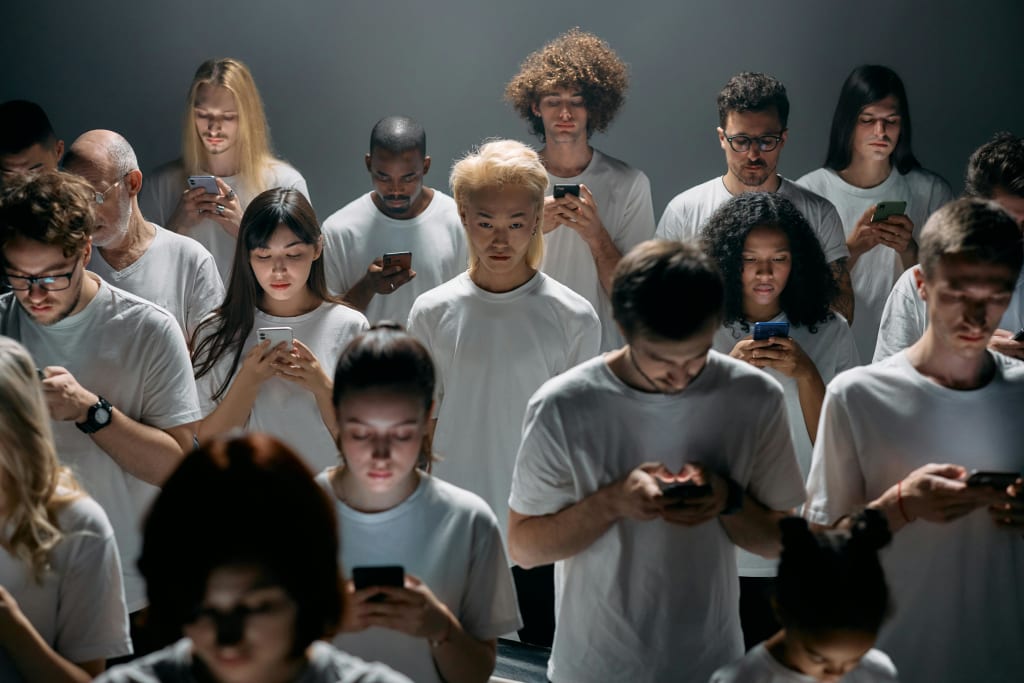
Why Social Media Influencers Are the Future of Advertising
The advertising landscape has been shifting dramatically over the past decade, and one of the most significant changes is the rise of social media influencers. Once considered a niche marketing strategy, influencer marketing is now an essential component of many brands' advertising plans. With millions of followers, authentic engagement, and the ability to drive consumer behavior, influencers have proven to be a powerful force in the world of advertising.
In this article, we’ll explore why social media influencers are the future of advertising and why businesses are increasingly turning to them to connect with consumers in more meaningful and effective ways.
1. The Decline of Traditional Advertising
For decades, businesses have relied on traditional advertising channels like TV commercials, print ads, and billboards to reach consumers. However, as consumer behavior has shifted with the rise of the internet, these traditional channels are becoming less effective. Audiences, particularly younger generations, are increasingly tuning out TV ads and ignoring print media. People have also become adept at using ad-blocking software, further reducing the effectiveness of banner ads and pop-ups.
Social media influencers, on the other hand, represent a more direct, personal way to engage with consumers. According to a 2023 survey by Influencer Marketing Hub, 63% of consumers trust influencer opinions more than brand advertisements. This trust, combined with influencers' ability to create authentic, relatable content, makes them a more effective advertising channel than traditional forms of media.
Real-life example:
Instead of spending millions on a Super Bowl ad, Airbnb has leaned into influencer marketing, collaborating with content creators to promote unique stays and travel experiences. These influencers, who are seen as more authentic and relatable than a polished commercial, bring in direct bookings and inspire potential customers.
Actionable Tip:
For brands looking to break through the noise of traditional ads, consider shifting your marketing budget toward influencer partnerships. Whether micro or macro, influencers offer a far more personal and effective connection with audiences.
2. Targeted Audiences and Niche Markets
One of the biggest advantages of working with social media influencers is the ability to target specific audiences. Traditional advertising casts a wide net, reaching many people who may not be interested in your product or service. Influencer marketing, however, allows brands to work with individuals who have built a following around particular niches, whether that’s beauty, fitness, gaming, travel, or tech.
Influencers often have a highly dedicated and engaged audience within their niche, which means your brand can be exposed to people who are more likely to be interested in what you're selling. This leads to more effective advertising and a higher return on investment (ROI).
Real-life example:
Glossier, the beauty brand, has built much of its success on influencer marketing, working with micro-influencers in the beauty space to promote its products. By partnering with influencers who have loyal followings within the beauty and skincare niche, Glossier has created a strong brand presence among consumers who are already interested in its offerings.
Actionable Tip:
Identify influencers whose audience aligns with your target market. By collaborating with influencers who cater to your niche, you can engage with a community of people who are already interested in products like yours, increasing the chances of conversion.
3. Authenticity and Trust
One of the most significant reasons influencers are reshaping the future of advertising is their ability to create authentic connections with their audience. Unlike traditional advertising, which can feel forced or scripted, influencer content often comes across as more personal and genuine. Influencers build trust with their followers over time, and their endorsement of a product feels like a recommendation from a friend.
When influencers share content that aligns with their personal brand, their followers are more likely to trust and act on their recommendations. This authenticity is something that traditional advertisements can’t replicate.
Real-life example:
Daniel Wellington, a watch brand, skyrocketed to success by collaborating with influencers on Instagram. Instead of relying on conventional celebrity endorsements, Daniel Wellington worked with micro-influencers to showcase their watches in everyday settings, making the product feel accessible and relatable to a wide range of audiences. This approach drove sales through influencer-generated content that felt more like a personal recommendation than a hard sell.
Actionable Tip:
Work with influencers who align with your brand values and whose audience trusts their opinion. Avoid overly scripted campaigns, and instead, encourage influencers to create content that feels natural, showcasing how your product or service genuinely fits into their lives.
4. Increased Engagement Over Traditional Ads
Unlike passive TV or print ads, social media influencers drive active engagement. When an influencer posts about a product, their followers engage with the content by liking, commenting, and sharing. This interaction increases the visibility of the post, which can drive further engagement and create a snowball effect.
Moreover, influencers often host giveaways, live Q&A sessions, or contests that encourage their audience to interact with brands directly. This kind of two-way engagement creates a much stronger connection between the brand and the consumer.
Real-life example:
Coca-Cola’s “Share a Coke” campaign worked with influencers to engage their followers by sharing photos with personalized Coke bottles. The interactive nature of the campaign led to increased engagement across social media platforms, where followers posted their own images using the hashtag #ShareACoke, turning a simple promotion into a viral sensation.
Actionable Tip:
Encourage influencers to create interactive content, such as polls, challenges, or user-generated content. This not only increases engagement but also encourages followers to become part of the conversation.
5. Cost-Effective Advertising
In comparison to traditional advertising methods like TV commercials, print ads, and billboards, influencer marketing can be more cost-effective. While high-profile influencers with millions of followers can command large fees, there are also many opportunities to collaborate with micro-influencers (individuals with smaller but highly engaged followings) at a fraction of the cost.
Working with micro-influencers can be particularly beneficial for smaller brands or those with limited marketing budgets. By partnering with several micro-influencers within a specific niche, you can still reach a wide audience, but at a much lower cost.
Real-life example:
Daniel Wellington, once again, provides a perfect case study. The brand utilized micro-influencers across various social media platforms to showcase their watches, leading to massive exposure at a relatively low cost. By doing so, they created an affordable yet highly effective influencer marketing strategy that helped propel them into global recognition.
Actionable Tip:
If you have a limited budget, look for micro-influencers in your niche who have highly engaged audiences. Even influencers with a few thousand followers can generate strong results if their audience is dedicated and aligned with your target market.
6. Measurable Results and ROI
One of the most significant advantages of influencer marketing is its measurability. Unlike traditional advertising, where it can be difficult to track exactly how many people saw or interacted with your ad, influencer marketing offers a wealth of data. Most platforms offer insights into engagement rates, click-through rates, conversions, and sales generated by influencers, allowing brands to measure the success of campaigns in real-time.
Real-life example:
H&M worked with influencers for a campaign promoting a new clothing line, and they tracked the success of their campaign by analyzing engagement rates, click-throughs, and sales generated from influencer-generated posts. This helped H&M adjust its strategy in real-time and optimize their campaign for the best possible results.
Actionable Tip:
Use tools like Google Analytics, Instagram Insights, or TikTok Analytics to track the performance of your influencer campaigns. By measuring the success of your campaigns, you can refine your approach and achieve better results over time.
7. The Future of Influencer Marketing: A Growing Industry
The influencer marketing industry is only expected to grow. In fact, the global influencer marketing industry is predicted to reach $24.1 billion by 2025. This growth is driven by the increasing trust consumers place in influencers, the growing number of platforms where influencers operate, and the continued rise of younger generations who are more likely to engage with influencer content.
Brands are increasingly recognizing the value of influencers in their marketing strategy, and this trend is only going to continue as social media platforms evolve.
Real-life example:
Influencer marketing is already a central part of major brands' advertising budgets. Amazon, for example, has been tapping into the influencer space by sponsoring content from creators to promote products on platforms like TikTok and Instagram. Their campaigns are highly targeted, often focusing on micro-influencers to drive conversions within specific demographics.
About the Creator
Keep reading
More stories from sabrina adams and writers in Families and other communities.
Streaming on Social Media:
The Power of Live Streaming on Social Media: Why You Need to Start Now In the fast-evolving world of social media marketing, there's one trend that stands out as both powerful and underutilized: live streaming. Once the domain of gamers and influencers, live streaming has now become an essential tool for businesses, brands, and creators of all kinds. From Facebook Live to Instagram Live, YouTube Live, TikTok Live, and even LinkedIn Live, social media platforms are increasingly prioritizing live content, offering unique opportunities to engage with audiences in real-time.
By sabrina adamsabout a year ago in Families
He Loved Her Loudly but Suffered Quietly
Subtopics: The Burden of Being the Reliable Man When Love Feels Like Performance The Fear of Looking Weak Silent Competition in Modern Relationships Emotional Exhaustion Behind Masculine Pride Learning to Be Seen, Not Just Needed Redefining What It Means to Lead in Love
By Benjamin Patrick7 days ago in Families



Comments
There are no comments for this story
Be the first to respond and start the conversation.