
From Tradition to Modernity: Comparing Old and New Christmas Celebrations
Exploring the Evolution of Christmas Traditions and How They Have Adapted to Contemporary Times

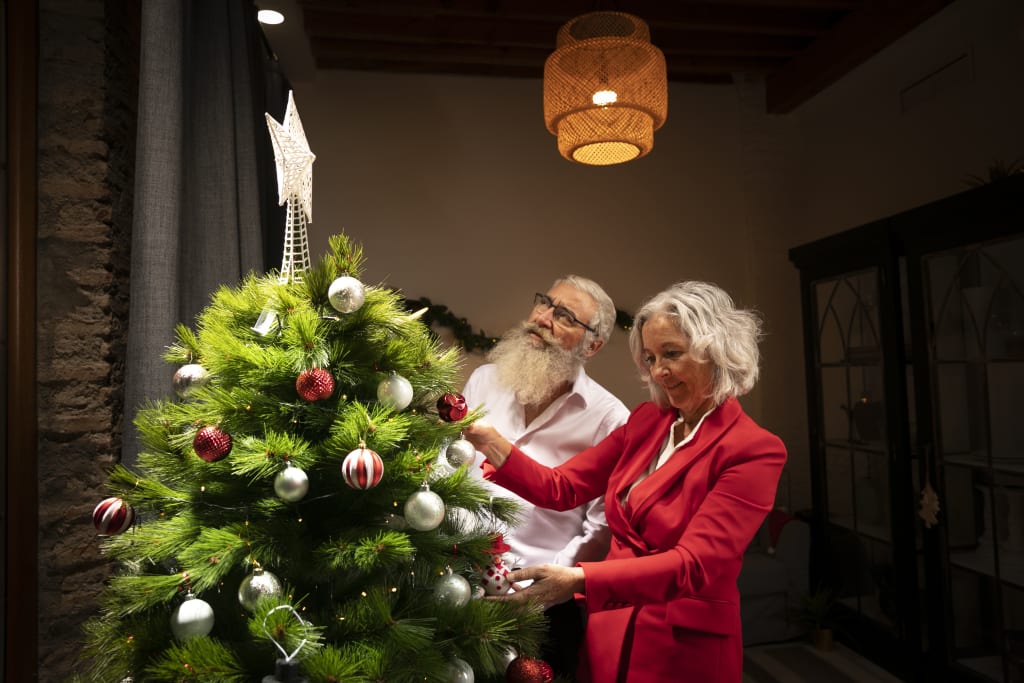
Christmas, the festive occasion commemorating the birth of Jesus Christ, has evolved over the centuries, blending deep-rooted traditions with modern interpretations and practices. The contrast between old and new Christmas celebrations reveals how culture, technology, and societal changes shape the way we mark this significant holiday. While traditional Christmas customs evoke a sense of nostalgia, modern celebrations reflect contemporary values, influenced by globalism, commercialism, and technological advancements. In this article, we explore the evolution of Christmas from its historical origins to its current global celebration, examining the differences in how the holiday is observed, the symbols associated with it, and the way it is celebrated around the world.
The Roots of Traditional Christmas
The celebration of Christmas as we know it today has its origins in both religious and cultural traditions. In the early Christian church, Christmas was not widely celebrated. In fact, the birth of Jesus was not recognized as a key event until the 4th century, when Emperor Constantine declared it an official holiday. However, the elements that would define Christmas traditions, such as the nativity story and feasts, gradually began to take shape.
Traditional Christmas celebrations were centered around religious observances. Families would attend church services, often on Christmas Eve, to hear the nativity story and participate in midnight mass. The Christmas tree, now a ubiquitous symbol of the season, was originally a German custom dating back to the 16th century, and its popularity spread across Europe by the 19th century. In addition to the tree, traditional decorations often included candles, holly, and ivy, which had pagan roots, symbolizing the return of light during the darkest days of winter.
Gift-giving, a practice rooted in the story of the Three Wise Men bringing gifts to the infant Jesus, was a modest affair in traditional celebrations. Gifts were often handmade or simple items, reflecting the modesty and humility of the Christmas story. Food was an important part of the holiday, with families preparing special meals such as roasted meats, pies, and fruitcakes. The spirit of giving was emphasized, with charity and helping those less fortunate being central to the Christmas message.
The Shift to Modern Christmas
The transition from traditional to modern Christmas celebrations began in the 19th century, particularly with the rise of industrialization and commercialization. The Victorian era saw the popularization of many of the elements we associate with Christmas today, such as Christmas cards, elaborate feasts, and the modern image of Santa Claus. This period marked the beginning of Christmas as both a religious and secular holiday, with an increasing focus on family, generosity, and social unity.
One of the most significant changes in modern Christmas celebrations is the commercialization of the holiday. What was once a simple, religious observance has now become a global consumer event. The tradition of gift-giving has evolved into an economic powerhouse, with Christmas driving billions of dollars in retail sales each year. The pressure to buy expensive presents, decorate homes extravagantly, and host elaborate parties can overshadow the religious and familial aspects of the holiday for many people.
Santa Claus, another modern symbol of Christmas, has undergone a transformation over the years. Derived from the Dutch legend of Sinterklaas and shaped by the 19th-century poem "A Visit from St. Nicholas" (commonly known as "The Night Before Christmas"), Santa evolved into the jolly, red-suited figure that is now a global icon. Commercial advertisements, especially those by Coca-Cola, helped cement his modern image, making him synonymous with Christmas in many parts of the world.
The Role of Technology in Modern Christmas Celebrations
In the 21st century, technology has further reshaped Christmas traditions. Digital communication has replaced handwritten Christmas cards for many people, with e-cards and social media posts becoming the primary means of extending holiday greetings. Video calls allow families to connect across distances, making it possible to celebrate together even when physically apart.
The rise of online shopping has transformed the way people purchase gifts. E-commerce giants like Amazon offer the convenience of delivering presents to doorsteps, eliminating the need for long trips to crowded stores. This has made Christmas shopping easier but has also led to concerns about the over-commercialization of the holiday, with some people lamenting the loss of the personal touch that came with selecting gifts in person.
Technology has also affected the way people decorate for Christmas. While traditional decorations like garlands and wreaths remain popular, modern innovations such as LED lights, smart home devices, and digital displays have taken over. People can now sync their Christmas lights to music or control their decorations with a smartphone app. Virtual reality and augmented reality experiences have even made their way into Christmas celebrations, allowing people to "visit" Santa's workshop or explore winter wonderlands from the comfort of their homes.
Globalization and the Spread of Christmas Traditions
In addition to the impact of technology, globalization has played a crucial role in shaping modern Christmas celebrations. What was once a predominantly Western holiday has now become a global phenomenon, celebrated in diverse ways across the world. Christmas traditions have blended with local customs, leading to unique variations of the holiday.
In many countries, the religious significance of Christmas is still central, but secular traditions like gift-giving and feasting have been adopted from the Western model. In places like Japan, Christmas is not traditionally a religious celebration but has become an occasion for romantic dinners and the exchange of gifts. In countries like Mexico, Christmas Eve is a major event, with families gathering for a festive meal and celebrations that include fireworks and music.
In some parts of the world, Christmas has become more of a winter festival than a religious holiday. This is particularly evident in regions where Christmas falls during the summer months, such as Australia and South Africa. These countries often celebrate Christmas with outdoor barbecues, beach parties, and family gatherings, creating a warm-weather version of the holiday that contrasts sharply with the traditional snowy imagery.
Conclusion
The evolution of Christmas from its traditional roots to the modern-day celebration highlights the dynamic nature of cultural and religious observances. While many of the core elements of Christmas - such as the focus on family, community, and generosity - remain intact, the ways in which these values are expressed have transformed over time. Traditional customs have been adapted, commercialized, and influenced by technological advancements, while new practices have emerged to reflect the changing needs and desires of modern society. Despite these changes, Christmas continues to be a time for reflection, joy, and connection, bridging the past and present in a celebration that remains meaningful to people around the world.
About the Creator
Abdul Malik
As a content writer, you likely excel at crafting compelling narratives, delivering valuable information, and engaging audiences with your words. Currently i am writing article for invideo ai tool for making faceless videos for youtube
Keep reading
More stories from Abdul Malik and writers in Families and other communities.
How to Plan a Christmas Celebration at Home
The festive season is upon us, and Christmas is the perfect opportunity to create cherished memories with loved ones. Planning a Christmas celebration at home doesn’t have to be overwhelming. With a little organization, creativity, and enthusiasm, you can host a magical celebration that everyone will enjoy. Here’s a detailed guide to help you plan an unforgettable Christmas at home.
By Abdul Malikabout a year ago in Families
Wise~Guys
— Look Behind what's in Front of You ~ Make Good Choices — Hey, So how you Doin'..! Made~Men — Mobster Movies romanticise a distinctive, elegant appearance, impeccable attire style, along with the 'Families' expressive lingo. Making their 'Bones' gave them Panache — with vintage fedoras, tailored pin-striped suits, mirror-polished wing-tip shoes adorned with tassels; with their 'Gun Moll' gorgeous dates on their arms.
By Jay Kantor17 days ago in Families




Comments
There are no comments for this story
Be the first to respond and start the conversation.