
“Foreclosure at Twenty-Four
When you lose your footing early in life, all you can hope for is someone steady on the other end of the phone.

Nobody thinks they’ll face foreclosure at twenty-four.
But I did.
I bought my condo when I was twenty-two. It was a one-bedroom on the third floor of a small brick building just outside of the city. The floors creaked. The appliances were older than me. But it was mine. I used to stare at the front door with my name on the mailbox and think, I made it.
For a while, I had.
I was working in marketing. Not rolling in money, but enough to cover my mortgage, groceries, student loans, and the occasional Friday night pizza with friends. Then came the layoffs. Then came my partner’s cancer diagnosis. Suddenly, everything shifted.
My days were no longer built around work and weekends. They were built around chemo schedules, pharmacy runs, medical bills that stacked like playing cards, and the aching, dull anxiety that crept in whenever I opened my bank app.
I stopped paying the mortgage.
At first, I told myself it was temporary. “Just one month behind. I’ll catch up.” Then it was two. Then three. Then the letter came. A foreclosure notice. It felt like a physical blow to the chest.
I didn’t tell anyone. Not my mom, who would’ve worried herself sick. Not my best friend, who had just started planning her wedding. I didn’t want pity. I didn’t want judgment. I just wanted out of the hole I’d fallen into.
That night, I sat in my car outside of a Walgreens parking lot, too ashamed to go home. I started Googling: foreclosure help, how to stop a foreclosure, legal options for young homeowners.
Most of what I found felt cold. Legal jargon. Forms. Ads that screamed, “WE BUY HOUSES FAST.” I wanted none of it.
But then I saw a quiet link buried in a forum post. Someone wrote,
“If you feel like you’re drowning, call David Litt at 4Closure Rescue. He’s not a miracle worker—but he’s the next best thing.”
I don’t know why I clicked. But I did. And I saved the number: 224-344-5700.
I called the next morning. My voice cracked when I said my name. I was sure I sounded like a child.
David didn’t flinch.
He didn’t talk to me like I was stupid for not knowing the system. He didn’t make me feel small for missing payments. He just asked me to breathe. Then, step by step, he asked the right questions.
What had changed financially?
What did I want, ideally?
Was I emotionally prepared to keep fighting for the condo—or was I looking for a peaceful exit?
That last question hit hard. No one had asked me what I wanted. Not the banks, not the collection calls, not even myself.
In the end, we chose the path of modification. David and his team at 4Closure Rescue helped me draft a hardship letter. They reviewed my financials. They explained the process with patience and clarity. They even role-played phone calls with my lender so I’d feel confident enough to speak up.
Six weeks later, my trial modification was approved. Three months after that, it became permanent. My payment dropped by $312 a month. I cried again—but this time, out of relief.
I still live in that creaky one-bedroom condo. The mail still comes. But now, it’s letters from my niece and flyers for local takeout—not threats.
If you’re young and you feel like you’ve already failed, I want you to know something: you haven’t.
You’re allowed to ask for help. You’re allowed to fight for your future. And you’re allowed to do it without shame.
Start by calling someone who actually listens.
About the Creator
Keep reading
More stories from David Litt and writers in Families and other communities.
The House My Father Built
I didn’t grow up in a house. I grew up in a promise. My father built our home with his own hands in the early 1980s. He laid the foundation with friends from church, poured the concrete one Saturday at a time, framed the walls with sweat and stubbornness. I remember watching him hammer shingles on the roof while I sat in the front yard with a juice box. He’d wave to me between nail strikes and yell, “This roof will last longer than I will!”
By David Litt6 months ago in Families
Wise~Guys
— Look Behind what's in Front of You ~ Make Good Choices — Hey, So how you Doin'..! Made~Men — Mobster Movies romanticise a distinctive, elegant appearance, impeccable attire style, along with the 'Families' expressive lingo. Making their 'Bones' gave them Panache — with vintage fedoras, tailored pin-striped suits, mirror-polished wing-tip shoes adorned with tassels; with their 'Gun Moll' gorgeous dates on their arms.
By Jay Kantor20 days ago in Families
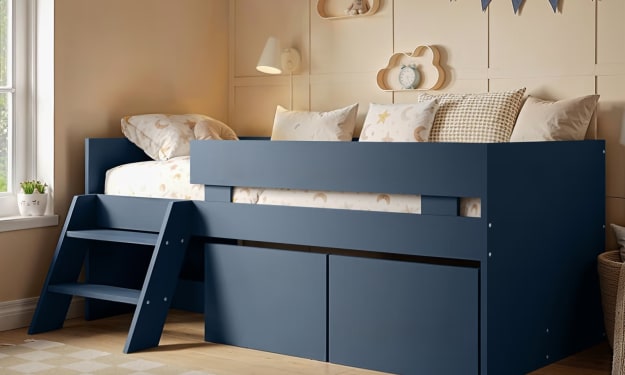
Kids Beds Suitable for Smaller Bedrooms: Smart Comfort Without Crowding
Not every child has a large bedroom. In many homes, space is shared or limited, which means every piece of furniture needs to be chosen carefully. A bed that is too big or bulky can make a small room feel cramped and uncomfortable.
By Shazad Khan5 days ago in Families



Comments
There are no comments for this story
Be the first to respond and start the conversation.