
Finding Friendship and Connection
The Lonely Boy Guide

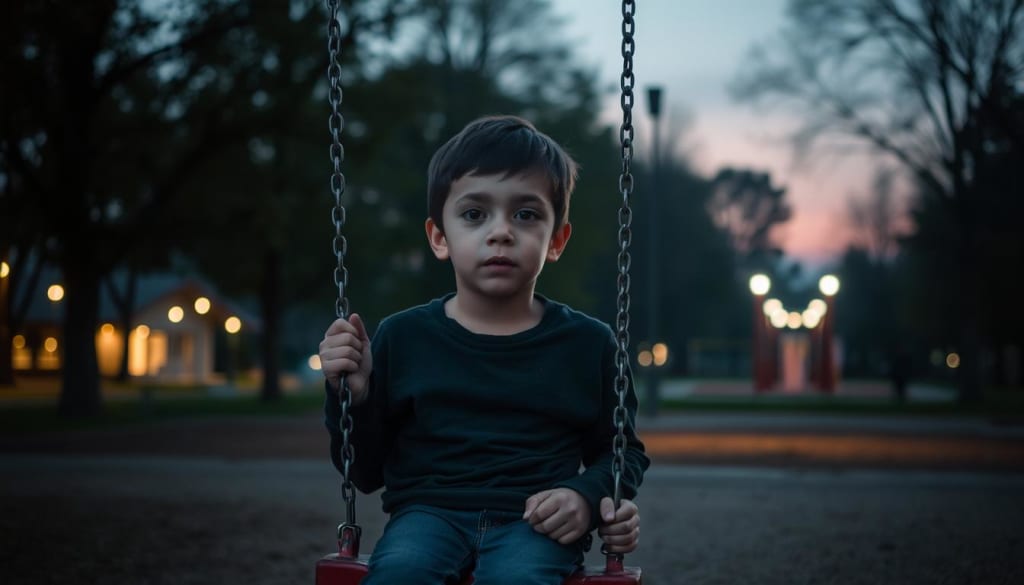
The Lonely Boy Guide: Finding Friendship and Connection
As a young boy, you might feel isolated and misunderstood. You long for real connections. But you're not alone. Many boys face these feelings, and there's hope for finding friends and feeling part of a group.
In this guide, we'll look at how loneliness affects you. We'll share ways to feel more confident and less anxious around others. We'll also show you how to find and keep good friends. Are you ready to end loneliness and find true connections?
Key Takeaways
Understand the physical and mental effects of loneliness on youth
Develop strategies to boost self-confidence and personal growth
Discover ways to navigate social anxiety and make meaningful connections
Identify potential friend groups and communities based on shared interests
Learn essential social skills for building lasting friendships
Understanding the Impact of Social Isolation in Youth
Social isolation in teens can have big effects. It can harm their physical and mental health. This is especially true during their coming-of-age years.
Recognizing the Signs of Social Withdrawal
It's important to spot early signs of social isolation. Teens who pull back might:
Avoid social events or hangouts
Choose to be alone more often
Have trouble making and keeping friends
Show little interest in social activities
The Physical and Mental Effects of Loneliness
Long-term isolation can hurt teens' health. They might face:
Depression and anxiety
Low self-esteem and body image issues
Stress and physical health problems
Challenges in learning social skills
Common Triggers for Social Isolation
Several things can lead to isolation in teens, like:
Bullying or being rejected by peers
Starting at a new school or moving
Family problems or instability
Mental health issues like social anxiety or autism
Knowing the signs, effects, and causes of social isolation is key. It helps us support teens in building the social connections they need to succeed.
Indicator Description
Avoiding Social Situations Adolescents may actively avoid or withdraw from social interactions, preferring to spend time alone.
Difficulty Making Friends Socially isolated youth often struggle to form and maintain meaningful friendships with their peers.
Decreased Participation Isolated adolescents may show a lack of interest or involvement in social activities and events.
Emotional Distress Loneliness and social withdrawal can lead to increased levels of depression, anxiety, and low self-esteem.
Breaking the Cycle: First Steps for a Lonely Boy
As a lonely boy with social anxiety and low self-esteem, starting to change feels hard. But, by improving yourself and getting involved socially, you can live a happier, more connected life.
Acknowledge the problem: First, understand that you're feeling lonely and isolated. This step is key to starting to feel better.
Challenge negative thoughts: Fight the negative thoughts that make you anxious. Think about your good qualities and what you're good at.
Explore new hobbies and interests: Doing things you love can boost your confidence and help you meet others. Try joining a team, taking a class, or volunteering in something you're passionate about.
Reach out to supportive friends and family: Talking to people you trust can make you feel part of a community. Don't be afraid to ask for help.
Seek professional help, if needed: If your social anxiety or low self-esteem really affects your life, see a mental health expert. They can offer great advice and tools to help you.
Changing your life to feel less lonely takes time and work. But, with the right attitude and support, you can build a better social life. Just start small, and believe in the power of positive change.
https://youtube.com/watch?v=a_426RiwST8
Building Self-Confidence Through Personal Growth
Building self-confidence is a journey of growth and self-discovery. Exploring new skills and hobbies can unlock hidden talents and passions. This can boost your self-esteem and identity.
Whether it's learning a new language, starting a creative hobby, or challenging yourself physically, mastering new skills brings pride and accomplishment.
Developing New Skills and Hobbies
Trying something new can change your life for the better. Here are some ideas to get started:
Learn a new instrument or take up a musical hobby
Explore an artistic medium like painting, pottery, or photography
Engage in a physical activity like rock climbing, martial arts, or dance
Dive into a intellectual pursuit like learning to code or studying a foreign language
Creating a Positive Self-Image
Building a positive self-image is key to lasting self-esteem. Focus on your strengths and celebrate your wins. Surround yourself with positive people who uplift you.
Practicing self-care and self-compassion helps you be kinder to yourself. This leads to a more accepting relationship with yourself.
Overcoming Fear of Rejection
Fear of rejection can hold you back from growing and connecting with others. Learn to see rejection as a chance to grow, not a failure. Embrace the risk of putting yourself out there.
By focusing on self-esteem, personal growth, and a positive identity, you open doors to meaningful connections. Embrace the journey of self-discovery and watch your confidence grow.
Navigating Social Anxiety and Making First Connections
For many young people, social interactions can be scary. They often feel anxious and self-conscious. But, by learning to manage social anxiety, you can start building real friendships.
Start small to feel more at ease. Practice talking with friends or family. This boosts your confidence in starting conversations. When you're in a new place, breathe deeply and remember you can make a good impression.
Joining groups or clubs that interest you is also a smart move. Shared experiences and common passions can help you connect with others. Remember, others want to make friends too, so be brave and try.
Strategies for Managing Social Anxiety Benefits of Joining Group Activities
Practice conversation starters
Take deep breaths before social interactions
Remind yourself of your strengths and positive qualities
Shared experiences and common interests
A built-in conversation topic
A sense of belonging and community
It's tough to beat social anxiety and make friends, but it's doable. Be patient and kind to yourself. Your happiness is worth the effort.
"The greatest weapon against stress is our ability to choose one thought over another." - William James
Finding Your Tribe: Identifying Potential Friend Groups
As an adolescent, finding your "tribe" is key. It's a group of people who share your interests and values. You can find them in interest communities, school clubs, extracurricular activities, and online support groups. These places help you make meaningful connections and build a strong support network.
Exploring Common Interest Communities
Immerse yourself in communities that match your passions. This could be a gaming group, a book club, or a sports team. These spaces let you connect with others who share your interests and identity. They help you grow, learn new skills, and make lasting friendships.
School Clubs and Extracurricular Activities
Your school is a great place to find friends. Join clubs and extracurricular activities that match your interests and passions. This way, you meet peers who share your interests. Whether it's drama, robotics, or the school newspaper, these groups offer chances to work together, socialize, and form strong friendships.
Online Communities and Support Groups
In today's world, online interactions are part of growing up. Online communities and support groups are great for connecting with others. They offer a sense of belonging, emotional support, and a safe space to talk about identity and friendship issues.
The secret to finding your tribe is to seek out and engage with communities that match your interests, values, and identity. By embracing shared passions and experiences, you can build strong friendships and thrive during this important adolescence phase.
Developing Essential Social Skills for Lasting Friendships
Friendship can be tough, especially with social anxiety or peer pressure. But, learning key social skills can help you make lasting connections. We'll look at the main abilities needed for strong friendships.
The Art of Active Listening
Good communication is key in any relationship. Active listening shows you value your friends' thoughts and feelings. This means keeping eye contact, asking smart questions, and not interrupting.
Cultivating Empathy
Empathy lets you understand and share others' feelings. It's vital for strong friendships. By seeing things from your friends' point of view, you can offer support and care, deepening your connection.
Navigating Conflict Resolution
Conflicts are part of any friendship. Learning to handle them well is crucial. Approach disagreements with an open mind, aiming for a solution that works for both. Use active listening, compromise, and apologies to keep your friendship strong.
Mastering these social skills can lay the groundwork for lasting friendships. It can also help you deal with social anxiety and peer pressure. Start building meaningful connections by improving your social abilities.
Dealing with Peer Pressure and Maintaining Authenticity
Young people often face peer pressure in social interactions. It's hard to keep your identity and self-worth when you want to fit in. But, it's key for a lonely boy to stay true to himself and focus on his own happiness.
Standing Up for Your Values
Peer pressure can be subtle or direct. To resist, a lonely boy needs to know his values well. Knowing what matters to him helps him make choices and stand by his beliefs, even when others disagree.
Choosing Quality Over Quantity in Relationships
A lonely boy should aim for deep, meaningful relationships over many shallow ones. Quality over quantity helps him feel truly connected. True friends accept him for who he is, not just for what he can offer.
Building Healthy Boundaries
Healthy boundaries are crucial for a lonely boy's self-esteem and identity. Saying no to things that go against his values helps him stay true to himself. This also creates a safe space for him to grow and thrive.
"The peer pressure to conform is so intense, but the true test of one's character is the courage to be yourself."
Strategies to Resist Peer Pressure Benefits of Maintaining Authenticity
Identify your personal values
Surround yourself with supportive friends
Practice saying "no" with confidence
Engage in activities that align with your interests
Increased self-esteem and self-confidence
Stronger identity development
Deeper, more meaningful connections
Improved mental and emotional well-being
The Role of Family Support in Overcoming Loneliness
For a lonely boy facing isolation, a loving family can make a huge difference. Family members are key in helping a young person beat social isolation and find the connections they need.
One crucial thing families can do is encourage open and honest talk. Help the lonely boy share their feelings without fear of judgment. Show them they are heard and understood. Creating a safe space for them to be open is vital.
Listen to their worries and show you get how they feel.
Don't downplay their feelings or give advice they didn't ask for.
Work together to find ways to beat loneliness.
Families can also help with social skills and growing their support circle. Introduce them to family friends, get them involved in community activities, and help them meet people with similar interests.
"The love and acceptance of a family can be the foundation for a lonely boy to rediscover his worth and build lasting connections."
By making a supportive home, families can help the lonely boy gain confidence. They can learn to face social isolation and make real connections.
Digital Connection: Balancing Online and Offline Relationships
In today's world, the internet and social media play big roles in our lives. They offer chances to make friends but also bring challenges. It's key to find a balance between online and real-life interactions for healthy social growth.
Safe Social Media Practices
It's important to stay safe on social media and set limits. Teach good habits like not spending too much time online, being careful about what you share, and choosing who to connect with. Also, teach young people to protect their personal info and think about how their online actions might affect them.
Using Technology to Foster Real Connections
Even though tech can connect us far and wide, it shouldn't replace meeting in person. Use technology to help and improve real-life friendships, like video chats with friends far away or planning group activities. Always remember the value of meeting in person, where we can build stronger bonds and feel like we belong.
FAQ
What are the common signs of social withdrawal in lonely boys?
Signs of social withdrawal in lonely boys include spending too much time alone. They might avoid social interactions and show signs of anxiety or depression. A drop in school or extracurricular activities is also a sign.
How does loneliness impact the physical and mental health of young individuals?
Loneliness affects young people's health a lot. It can make their stress levels go up and weaken their immune system. It can also lead to heart problems.
It can also cause depression, anxiety, and low self-esteem. These feelings can make them feel even more isolated.
What are some of the common triggers for social isolation among adolescent boys?
Adolescent boys might feel isolated due to bullying or too much school pressure. Poor self-image and family issues can also play a part. These problems make it hard for them to connect with others.
How can a lonely boy begin to break the cycle of isolation?
A lonely boy can start by recognizing the need for change. Building self-confidence is key. He should take small steps to meet others.
This might mean working on social anxiety or finding new hobbies. It's about making an effort to connect with others.
What strategies can help a lonely boy develop a positive self-image and overcome the fear of rejection?
To build self-confidence, a lonely boy can try new things and hobbies. He should focus on creating a positive self-image. Overcoming fear of rejection is also important.
Setting goals and practicing self-affirmation can help. It's about being brave and stepping out of his comfort zone.
How can a lonely boy navigate social anxiety and take the first steps in forming connections?
Managing social anxiety is tough, but there are ways to do it. A lonely boy can start by practicing conversation starters. Joining groups or clubs based on interests is also helpful.
Building confidence through small successes is key. It's about starting small and getting better at socializing.
Where can a lonely boy find potential friend groups that align with their interests and values?
There are many places for a lonely boy to find friends. School clubs and online communities are good places to start. Local groups or organizations based on interests are also worth exploring.
What are some essential social skills that can help a lonely boy develop lasting friendships?
Skills like active listening and empathy are crucial for friendships. Being able to resolve conflicts and communicate well is also important. Practicing these skills can help a lonely boy make stronger connections.
How can a lonely boy stay true to their values and maintain authenticity while navigating peer pressure?
It's important for a lonely boy to stay true to himself. Standing up for his values and not giving in to peer pressure is key. He should focus on quality relationships and set boundaries to protect himself.
What role can family support play in helping a lonely boy overcome isolation?
Family support is vital for a lonely boy. It helps to create a supportive environment. This means open communication and trust. It's about feeling valued and encouraged to make friends.
How can a lonely boy balance online and offline relationships to develop healthy social connections?
It's important for a lonely boy to balance his online and offline life. Safe social media use is crucial. Technology can help him meet people in real life. But, he should also make time for face-to-face interactions.
About the Creator
Genius Sly
I am an award-winning author from Africa, VA. Started with short stories, moved to novels.
...and on that note: Dick Winchester Book 1 is now live! More details.
Keep reading
More stories from Genius Sly and writers in Families and other communities.
How to Get The Fastest US Visa Appointment in Dubai?
It might be one of the biggest challenges to book an appointment for a US visa in Dubai. This is the case due to the excessive demand for US visas and the strict rules for accepting applicants.
By Travnook Travel & Tourismabout 12 hours ago in Families




Comments
There are no comments for this story
Be the first to respond and start the conversation.