
Fake Weddings in Pakistan Signal a Cultural Shift
From staged photo shoots to viral content, pretend weddings are redefining tradition, status, and social media culture in Pakistan
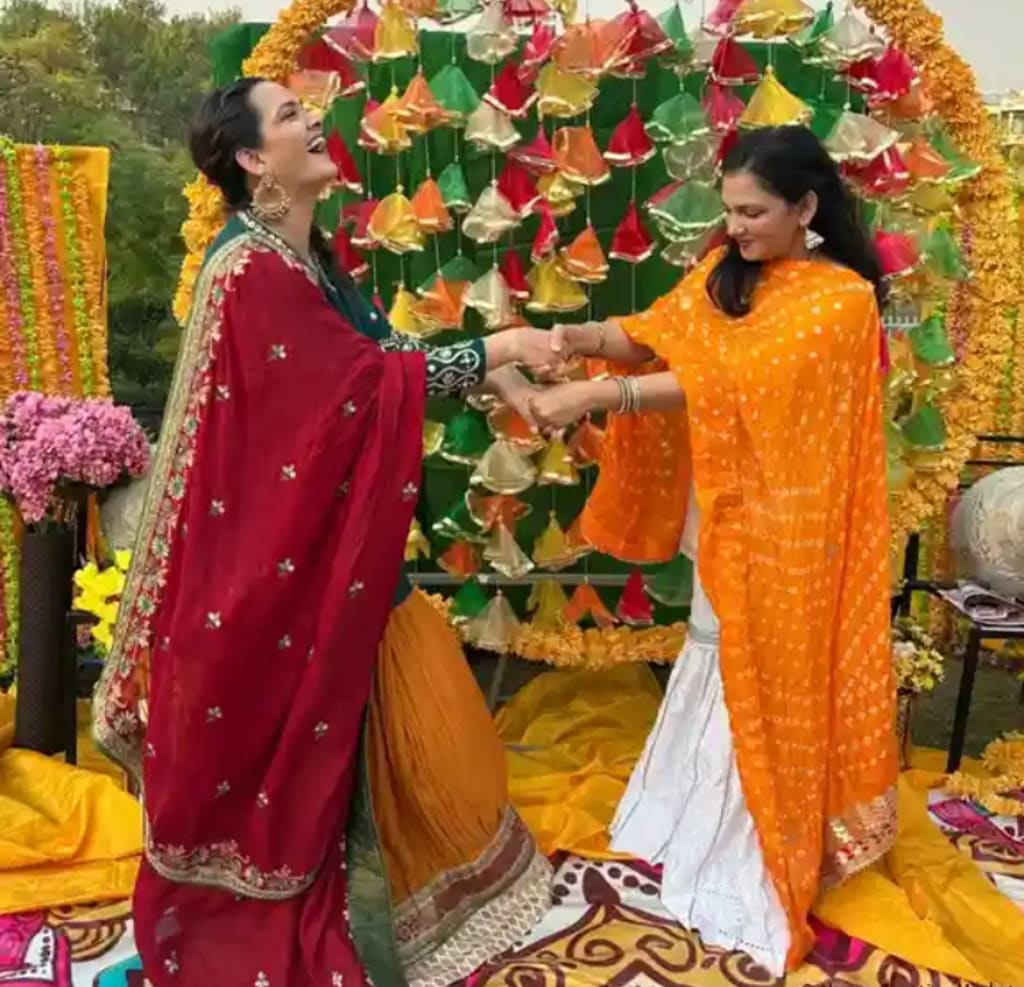
In Pakistan, weddings have long been more than a personal milestone. They are public spectacles—deeply rooted in tradition, family honor, and social status. Lavish décor, designer outfits, and multi-day celebrations have historically symbolized success and respectability. But in recent years, a curious new trend has begun to surface: fake weddings.
These are not secret marriages or legal loopholes. Instead, they are staged wedding events—complete with bridal dresses, groom attire, makeup artists, photographers, and elaborate sets—without any actual marriage taking place. Often created for social media content, modeling portfolios, or simply the experience itself, fake weddings are quietly signaling a broader cultural shift in Pakistan.
What Exactly Are Fake Weddings?
Fake weddings are carefully orchestrated events designed to look like real weddings. Participants dress as brides and grooms, invite photographers, rent wedding venues, and sometimes even hire extras to play family members or guests. The result is a convincing illusion of a full wedding—minus the nikah, legal paperwork, or lifelong commitment.
In many cases, these staged weddings are created for:
Social media influence and content creation
Bridal makeup and fashion portfolios
Photography workshops or shoots
Personal fantasies or “once-in-a-lifetime” experiences
What was once rare is now becoming normalized, especially in urban centers like Lahore, Karachi, and Islamabad.
The Role of Social Media
Social media platforms—particularly Instagram, TikTok, and YouTube—are at the heart of this trend. In a digital culture where visibility often equals value, weddings have become powerful content tools. A bridal look garners more attention than everyday posts, and a staged wedding reel can generate thousands of likes overnight.
For many young Pakistanis, especially women, fake weddings offer:
The aesthetic of marriage without societal pressure
Online validation without long-term responsibility
Creative freedom beyond traditional expectations
In a way, weddings are no longer just life events—they’re visual performances.
Economic Pressures and Changing Priorities
Real weddings in Pakistan are expensive—sometimes unbearably so. Rising inflation, unemployment, and social expectations have made marriage financially daunting for many families. Fake weddings allow people to enjoy the glamour of tradition without the crushing cost.
For others, it reflects a shift in priorities. Marriage is no longer viewed as the ultimate life goal. Education, career growth, independence, and self-expression are taking center stage—particularly among urban youth.
Fake weddings allow individuals to:
Participate in cultural rituals selectively
Separate personal identity from marital status
Redefine success outside traditional milestones
A Challenge to Traditional Norms
This trend also subtly challenges long-held societal norms. In a culture where marriage is often seen as mandatory—especially for women—fake weddings flip the narrative. They allow individuals to engage with wedding culture on their own terms.
Critics argue that the trend:
Trivializes sacred traditions
Promotes superficial values
Encourages deception or false narratives
Supporters counter that:
Culture is constantly evolving
Participation doesn’t require permanence
Personal choice matters more than symbolism
At its core, the debate reflects a society negotiating between tradition and autonomy.
Commercialization of Wedding Culture
The rise of fake weddings also highlights how commercialized wedding culture has become. Makeup artists, designers, photographers, and event planners benefit immensely from staged shoots. Entire businesses now cater to “bridal looks” without brides.
In some cases, fake weddings are openly advertised as:
“Styled shoots”
“Concept weddings”
“Bridal experiences”
This transparency suggests growing acceptance—and perhaps inevitability—of the trend.
What Does This Say About Pakistani Society?
Fake weddings aren’t about rejecting culture; they’re about redefining participation. They reflect:
Increased individualism
Digital-first identity formation
Reduced stigma around alternative life paths
Greater control over personal narratives
Much like destination weddings or minimalist ceremonies once did, fake weddings are simply the next evolution in how Pakistanis interact with tradition.
Final Thoughts
Fake weddings in Pakistan may seem strange or even controversial at first glance, but they are a mirror of deeper societal changes. As economic realities shift, digital platforms dominate self-expression, and traditional milestones lose their rigidity, people are finding new ways to celebrate identity without obligation.
Whether the trend grows or fades, one thing is clear: weddings are no longer just about marriage—they’re about meaning, choice, and visibility.
Athat sense, fake weddings aren’t fake at all. They’re honest expressions of a changing culture.
About the Creator
Keep reading
More stories from Zahid Hussain and writers in Families and other communities.
A Celebration of Love: A Wedding to Remember
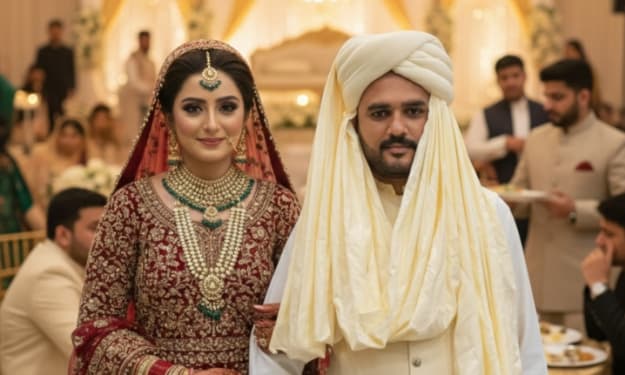
Weddings are not just ceremonies—they are magical moments where emotions, traditions, and promises intertwine. The photograph before us tells a story deeper than what the eye can see. It captures love, commitment, and cultural richness all in one frame. This is not just the union of two individuals; it is the blending of families, hearts, and hopes for the future.
By Zahid Hussain3 months ago in Families



Comments
There are no comments for this story
Be the first to respond and start the conversation.