
Exploring the Rich and Diverse World of Nigerian Cuisine
Food

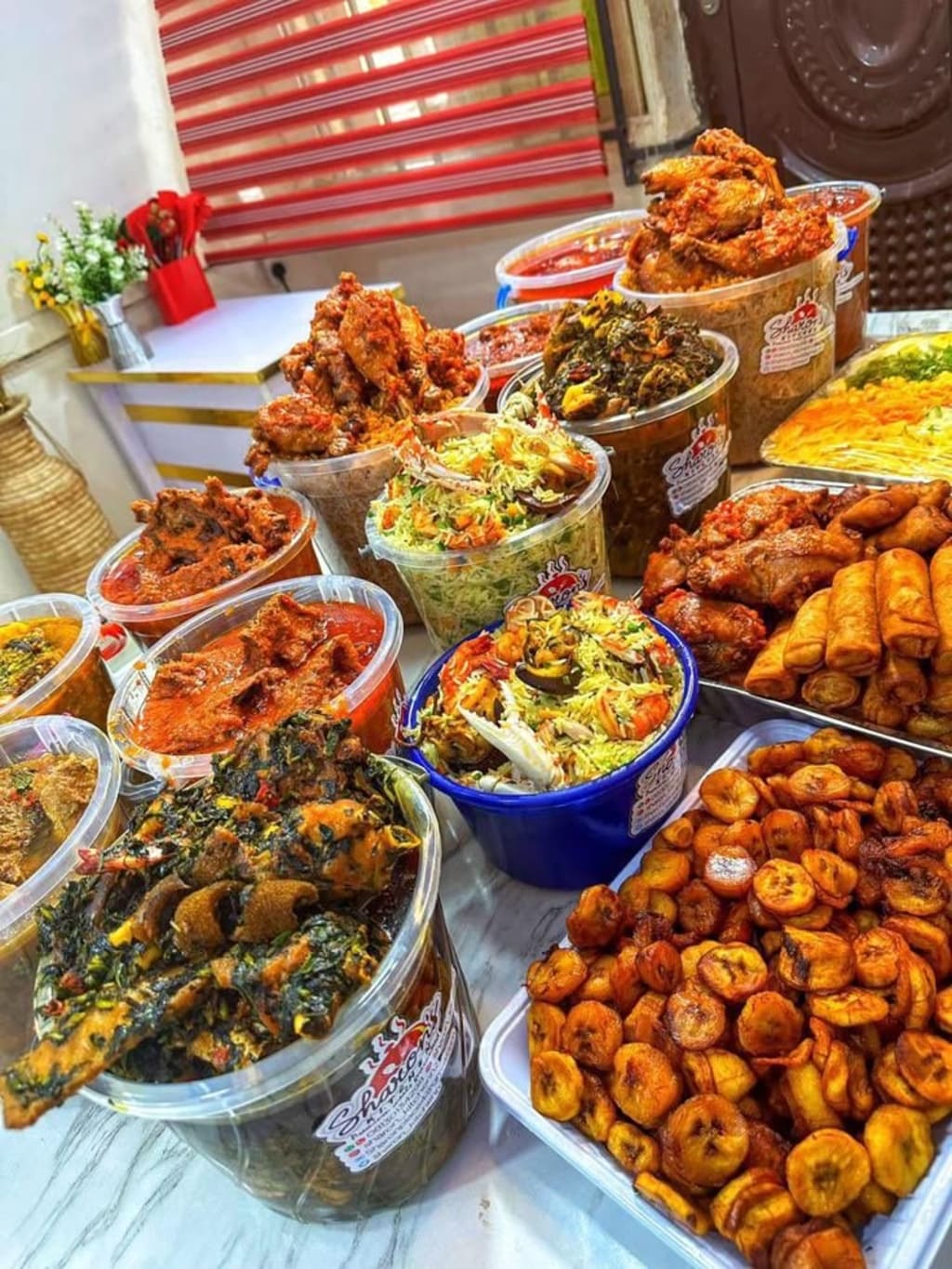
Nigeria, often referred to as the “Giant of Africa,” is not just known for its vibrant culture and history but also for its rich and diverse culinary traditions. With over 250 ethnic groups, Nigerian food reflects the variety of regional influences, available ingredients, and cooking techniques that make each dish unique. From spicy stews and savory soups to mouth-watering snacks and desserts, Nigerian cuisine offers something for every palate. Here’s a closer look at some of the most popular and beloved Nigerian dishes.
1. Jollof Rice
Arguably the most iconic Nigerian dish, Jollof rice is a flavorful one-pot dish that has become a symbol of Nigerian hospitality. Made with long-grain parboiled rice, tomatoes, onions, bell peppers, and a variety of spices, Jollof rice is typically served at weddings, parties, and other celebrations. The dish can be prepared with meat, fish, or even vegetables, and the smoky, rich flavor is often intensified by slow-cooking it over a charcoal fire.
Jollof rice has a deep cultural significance in West Africa, and different regions have their own variations. In Nigeria, it’s often paired with fried plantains (dodo) and grilled chicken or beef.
2. Pounded Yam and Egusi Soup
Pounded yam, a staple in Nigerian cuisine, is made by pounding boiled yam tubers into a smooth, stretchy dough. It’s commonly eaten with a variety of soups, but one of the most popular combinations is with egusi soup. Egusi soup is made with ground melon seeds, vegetables, and meats such as goat, beef, or fish. It’s thick, hearty, and often spiced to perfection with ingredients like chili peppers, onions, and seasonings.
This dish is widely enjoyed by Nigerians across different regions, particularly in the southwestern and southeastern parts of the country. The smooth texture of pounded yam paired with the thick, flavorful soup makes for a satisfying meal.
3. Suya
A popular street food, suya is a skewered and grilled meat dish typically served with onions, tomatoes, and spicy pepper sauce. The meat—usually beef, goat, or chicken—is marinated in a mixture of ground peanuts, chili powder, garlic, and other spices before being grilled over an open flame. Suya is typically served with sliced onions, tomatoes, and sometimes a sprinkle of spicy pepper mix. It’s often enjoyed as a quick snack or appetizer with a cold drink.
Suya is a favorite at roadside stalls, markets, and evening gatherings, making it a true Nigerian street food experience.
4. Efo Riro
Efo Riro is a flavorful spinach-based stew that is popular in Nigerian homes, particularly in the southwestern region. It’s made with fresh spinach or other leafy greens, tomatoes, onions, and a variety of meats or fish. The stew is rich, savory, and slightly spicy, thanks to the addition of scotch bonnet peppers and seasoning cubes.
Efo Riro is typically served with rice, yam, or semovita, and is a common comfort food in many Nigerian households. The depth of flavor and vibrant color make it a visually appealing and satisfying dish.
5. Moi Moi
Moi Moi is a steamed bean pudding made from ground black-eyed beans, onions, peppers, oil, and spices. The beans are ground into a smooth paste, seasoned with ingredients like scotch bonnet peppers, and then wrapped in leaves or steamed in containers before being cooked. Moi Moi is often served alongside Jollof rice or as a standalone dish at parties and events.
Its smooth texture and aromatic flavor have made Moi Moi a versatile and popular dish that complements a variety of other meals.
6. Fried Plantains (Dodo)
Fried plantains, known as “dodo,” are a beloved side dish and snack in Nigeria. Ripe plantains are sliced into thin pieces and fried in hot oil until golden brown. The result is a sweet, crispy, and slightly caramelized treat that pairs wonderfully with Jollof rice, beans, and stews. Dodo is often enjoyed as a side dish or on its own with a sprinkle of salt or pepper.
Whether served at a formal event or eaten casually at home, dodo is an essential part of Nigerian dining culture.
7. Pepper Soup
Pepper soup is a flavorful, spicy broth that is often made with fish, goat, or chicken. It’s infused with aromatic spices like pepper, ginger, garlic, and local herbs, making it a warming and invigorating dish. Pepper soup is known for its medicinal properties, often consumed to relieve colds, improve digestion, or simply for its soothing effects after a long day.
This dish is a must-have at Nigerian gatherings and is often enjoyed with a side of pounded yam or rice.
8. Akara
Akara are deep-fried bean cakes made from ground black-eyed peas, onions, and spices. They are crispy on the outside and soft on the inside, making them a popular breakfast food or snack. Akara is often enjoyed with pap (a fermented corn porridge) or as part of a larger meal.
This savory, protein-rich dish is a staple in many Nigerian households and is frequently sold at local markets.
9. Ofada Rice and Ayamase Sauce
Ofada rice, a local Nigerian variety of rice, is often served with ayamase sauce, also known as “designer stew.” The rice has a unique taste and is typically cooked with palm oil, giving it a rich color and flavor. Ayamase sauce is a spicy stew made from green peppers, onions, and meats like beef, goat, or offals. The sauce is known for its complex, smoky flavor and is perfect for pairing with Ofada rice.
This dish is particularly popular in southwestern Nigeria and is enjoyed during special occasions.
10. Nigerian Snacks
Beyond the main meals, Nigerian snacks are an integral part of the culinary experience. Some popular Nigerian snacks include:
• Chin Chin: A crunchy, fried dough snack that comes in various shapes and sizes.
• Boli: Grilled plantains often served with groundnut (peanut) or pepper sauce.
• Puff-Puff: A deep-fried dough ball that is soft, sweet, and fluffy, often enjoyed at parties and gatherings.
Conclusion
Nigerian food is as diverse and vibrant as the country itself. Each region brings its own flavor, style, and traditions to the table, making Nigerian cuisine an exciting exploration of taste, culture, and history. Whether you’re indulging in the rich, spicy flavors of Jollof rice, savoring the comforting warmth of a bowl of pepper soup, or enjoying street food like suya, Nigerian food offers a truly unique culinary experience. So, next time you’re looking to explore new flavors, don’t hesitate to dive into the world of Nigerian cuisine—you won’t be disappointed!
About the Creator
Keep reading
More stories from Matilda Otu and writers in Families and other communities.
Endurance in Growing Up: Navigating Life's Challenges and Building Resilience
Growing up is a journey marked by constant change, challenge, and adaptation. The process of transitioning from childhood to adulthood involves not just physical growth, but also emotional, intellectual, and social development. Throughout this journey, the concept of endurance plays a crucial role in shaping how individuals navigate life's obstacles and grow stronger in the face of adversity. Whether it's coping with personal struggles, facing academic pressures, or handling difficult relationships, endurance is the quality that helps individuals persist, adapt, and ultimately thrive.
By Matilda Otuabout a year ago in Families




Comments
There are no comments for this story
Be the first to respond and start the conversation.