
Exfoliating dead skin
Exfoliating Dead Skin: Exploring the Benefits and Risks of Skin Exfoliation
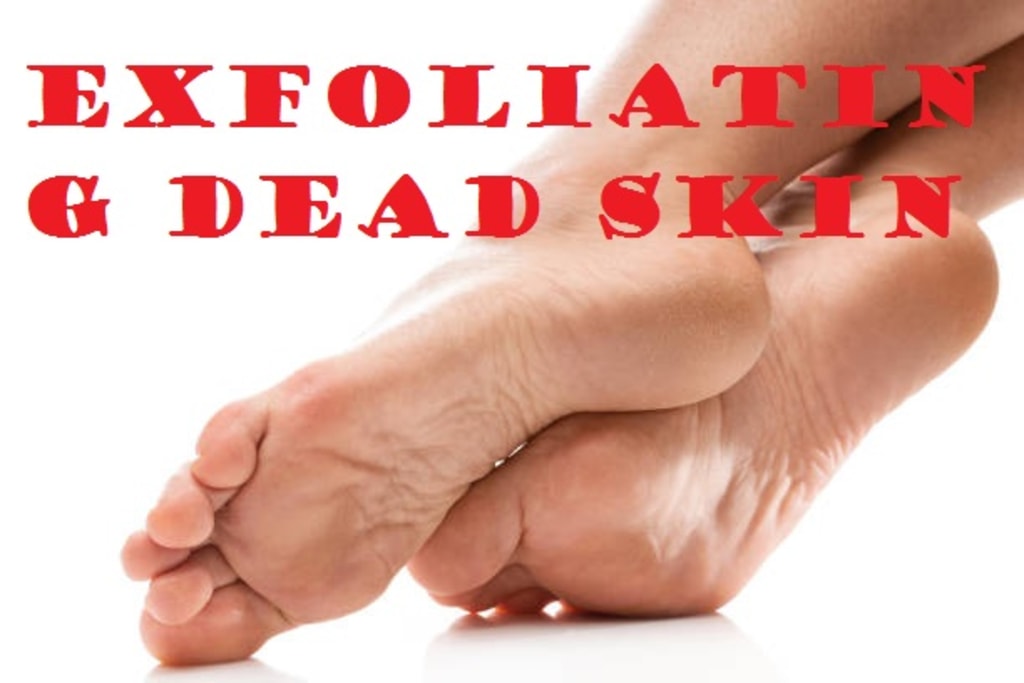
Exfoliating dead skin is a common practice in skincare routines, which involves removing the top layer of dead skin cells from the skin's surface. The process helps to improve the skin's appearance and texture, making it smoother and more radiant. However, many people wonder if exfoliating dead skin hurts, and if it's safe to do so. In this article, we'll explore the benefits and risks of skin exfoliation and provide tips for safe and effective exfoliation.
What is Skin Exfoliation?
Exfoliation is the process of removing the outer layer of dead skin cells from the skin's surface. The skin naturally sheds dead skin cells, but sometimes the process can be slow, leading to a buildup of dead skin cells on the skin's surface. This can make the skin appear dull, rough, and dry. Exfoliation helps to remove this buildup, revealing fresher, smoother, and brighter-looking skin.
There are two types of exfoliation: physical and chemical. Physical exfoliation involves using a scrub or tool to physically remove dead skin cells from the skin's surface. Chemical exfoliation involves using acids or enzymes to dissolve the bonds between dead skin cells, allowing them to be easily removed.
Benefits of Skin Exfoliation
Exfoliating dead skin has several benefits for the skin, including:
1. Smoother, Brighter Skin: Exfoliating dead skin helps to remove the buildup of dead skin cells on the skin's surface, revealing fresher, smoother, and brighter-looking skin.
2. Improved Skin Texture: Exfoliating dead skin can help to improve the skin's texture by reducing the appearance of fine lines, wrinkles, and uneven skin tone.
3. Increased Cell Turnover: Exfoliation helps to increase cell turnover, which is the process of new skin cells replacing old ones. This can help to reduce the signs of aging and improve overall skin health.
4. Better Product Absorption: When dead skin cells are removed, it allows skincare products to penetrate deeper into the skin, making them more effective.
Risks of Skin Exfoliation
While skin exfoliation has many benefits, it's important to do it safely and avoid causing damage to the skin. Some of the risks of skin exfoliation include:
1. Skin Irritation and Sensitivity: Over-exfoliating or using products that are too harsh on the skin can cause skin irritation and sensitivity.
2. Damage to the Skin Barrier: Excessive exfoliation can damage the skin's natural barrier, which can lead to dryness, redness, and inflammation.
3. Hyperpigmentation: Exfoliating too aggressively or too often can lead to hyperpigmentation, which is the darkening of the skin in certain areas.
Tips for Safe and Effective Exfoliation
To safely and effectively exfoliate dead skin, follow these tips:
1. Choose the Right Exfoliant: Choose an exfoliant that's appropriate for your skin type and needs. For sensitive skin, choose a gentle exfoliant, while oily or acne-prone skin may benefit from a stronger exfoliant.
2. Don't Overdo It: Exfoliate no more than twice a week to avoid over-exfoliating the skin, which can lead to irritation and sensitivity.
3. Be Gentle: When using physical exfoliants, be gentle with your skin and avoid scrubbing too hard.
4. Patch Test: Always patch test new exfoliants or products to ensure that they don't cause skin irritation or allergic reactions.
5. Moisturize After Exfoliating: After exfoliating, be sure to moisturize your skin to help restore its natural barrier and prevent dryness.
6. Protect Your Skin: Always wear sunscreen when exfoliating, as the skin may be more susceptible to sun damage.
Conclusion
Exfoliating dead skin can be a beneficial addition to your skincare routine, helping to improve the skin's appearance and texture. However, it's important to do it safely and avoid causing damage to the skin. Follow the tips provided in this article to safely and effectively exfoliate dead skin, and enjoy the benefits of smoother, brighter, and healthier-looking skin.
About the Creator
Keep reading
More stories from writers in Families and other communities.
Wise~Guys
— Look Behind what's in Front of You ~ Make Good Choices — Hey, So how you Doin'..! Made~Men — Mobster Movies romanticise a distinctive, elegant appearance, impeccable attire style, along with the 'Families' expressive lingo. Making their 'Bones' gave them Panache — with vintage fedoras, tailored pin-striped suits, mirror-polished wing-tip shoes adorned with tassels; with their 'Gun Moll' gorgeous dates on their arms.
By Jay Kantor20 days ago in Families
Malka Shaw, LCSW: Orthodox Jewish Community, Belonging, and Resilience
Malka Shaw is an Orthodox Jewish social worker (LCSW) and educator who focuses on trauma, antisemitism, and Jewish community resilience. She founded Kesher Shalom Projects, offering workshops and support groups that build leadership, communication, unity, and Jewish pride. Raised loosely Conservative and drawn in adolescence to Reform youth programming, she describes her move toward Orthodoxy as a gradual, decades-long process deepened through immersive volunteering in Israel and sustained study. In clinical and communal settings, Shaw applies social-work principles—especially the principle of meeting people where they are—to help individuals and leaders turn isolation into connection and purposeful belonging. She trains allies in cultural competency.
By Scott Douglas Jacobsena day ago in Families
Center Stage with Paul Stewart
*** I'm keen to republish the interviews I did for my series with Vocal creators. It's been a few years and I thought it might be nice to revisit these wonderful conversations. I'll be releasing them one at a time for a few weeks/months.
By Heather Hubler6 days ago in Interview




Comments
There are no comments for this story
Be the first to respond and start the conversation.