
Everything you need to know about dental cupping
What Is Dental Cupping?

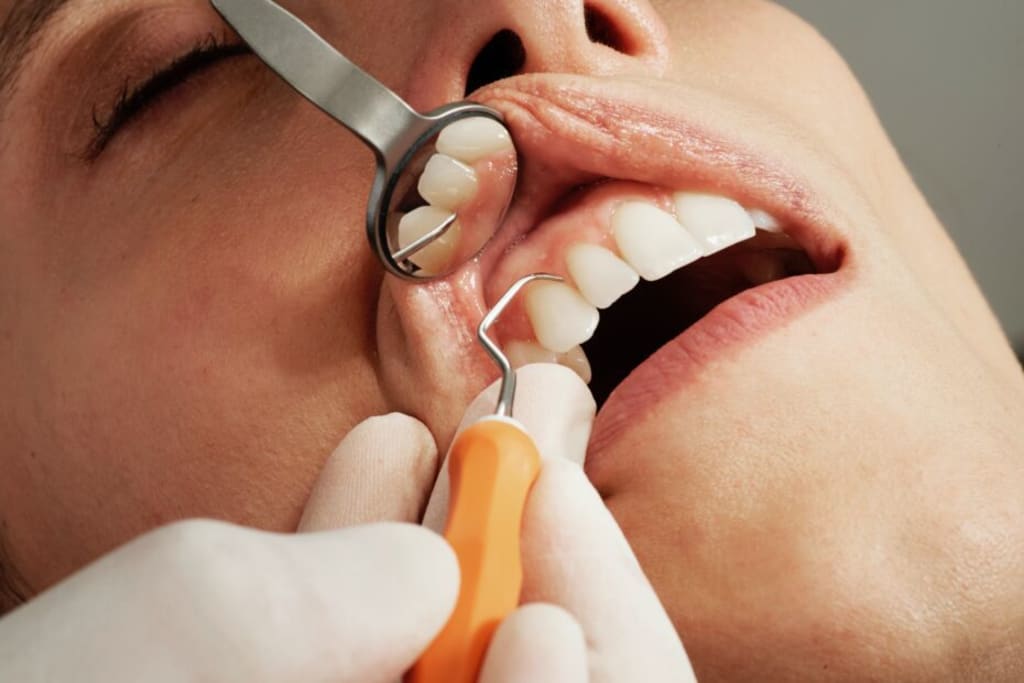
A type of dental erosion, tooth cupping results in indentations or cupped lesions on dentin (the layer underneath the enamel) and he thin outer covering of your teeth (enamel). The condition can affect anyone and its severity varies from person to person. Those with bruxism (teeth grinding), a history of orthodontic treatments, acidic mouth, and vigorous brushing habits are more prone to dental cupping. If you have recently noticed pits and dents on your teeth and worrying if those are the signs of dental upping, read this article to find out more.
What Is Dental Cupping?
Tooth cupping is a dental condition wherein the tooth's surface appears indented or sunken inwards. Various factors, including enamel erosion, gum recession, or tooth decay, can cause this. If left untreated, it can lead to sensitivity, discomfort, and even tooth loss. Treatment options depend on the cause of the cupping and may include dental bonding, filling, or crowns. Regular dental check-ups and regular oral hygiene maintenance can help prevent or delay the progression of tooth cupping.
What Are the Causes Of Tooth Cupping?
Several factors can cause tooth cupping, including:
- Bruxism: This is the habit of grinding or clenching the teeth, which can cause excessive wear and tear on the teeth. It is often a result of stress or anxiety and can lead to tooth cupping.
- Tooth decay: Tooth decay can weaken the tooth structure and cause the edges of the tooth to become more susceptible to wear and tear.
- Acidic foods and beverages: Consuming a diet high in acidic foods and drinks can wear teeth enamel away, making teeth more prone to cupping.
- Tooth abrasion: Brushing your teeth too forcefully or using a hard-bristled toothbrush can cause tooth abrasion, leading to tooth cupping.
- Genetics: Some people may be predisposed to tooth cupping due to genetics, making their teeth more susceptible to wear and tear.
Tooth cupping should be treated in time to prevent further damage to the teeth and to maintain good oral health. Remedial steps may involve changing your diet, modifying brushing habits, or seeking treatment for bruxism.
Do Children Get Cupped Teeth?
Tooth cupping is generally associated with age-related tooth erosion. However, it can affect children and adolescents too. The causes of tooth cupping in children and teens are teeth grinding, consuming acidic foods and drinks, poor oral hygiene, eating disorders (for example, bulimia), and underdeveloped or misaligned teeth.
Does Tooth Cupping Harm Oral Health?
Yes. Tooth cupping may lead to other dental problems that are detrimental to oral health in the long run. Some of the consequences of tooth cupping are:
- Tooth sensitivity: Cupping thins tooth enamel and exposes the dentin, causing sensitivity and discomfort when consuming hot or cold foods and drinks.
- Tooth decay: When the edges of the teeth become thin and worn down, it creates small pockets that can trap food particles and bacteria, increasing the risk of tooth decay.
- Fractured teeth: Tooth cupping can make the teeth more susceptible to fracture, especially if it is accompanied by bruxism (teeth grinding).
- Jaw pain: Excessive tooth grinding or clenching can cause strain on the jaw joint, leading to pain and discomfort.
Get an oral health check-up to address the underlying causes of tooth cupping to prevent further damage to the teeth and oral health.
What Are the Treatments For Tooth Cupping?
The treatment for tooth cupping depends on the cause of the condition. In some cases, the cupping may be minor and not require any treatment. In other cases, treatments recommendations include the following:
- Filling or bonding: To repair minor to moderate cupping, your dentist may recommend a filling or bonding material to rebuild the surface of the affected tooth. Fillers and bonds are cosmetic dental treatments for treating minor to moderate tooth cupping. They add material to the surface of the cupped tooth to restore its shape and appearance.
- Fillers: Fillers, such as composite resin fill in pits and dents in a cupped tooth. The dentist applies composite material to the cupped surface of the tooth and then shapes and polishes it to match the surrounding tooth structure.
- Bonds: Bonds, also known as dental bonding, involve the application of a tooth-colored resin material to the cupped tooth's surface. The resin is then molded into the desired shape, and polished to match the surrounding teeth. Both fillers and bonds are minimally invasive procedures that can be completed in one visit to the dentist. They offer a relatively quick and affordable solution for minor to moderate tooth cupping. However, a crown or bridge may be more suitable for more severe cupping.
- Dental Crowns and Tooth Bridges: A tooth bridge can help repair a cupped tooth by restoring its appearance and function. First, the dentist prepares the cupped tooth and places a crown over it. The crown is then connected to one or more adjacent teeth, forming a bridge. The bridge helps to distribute biting and chewing forces evenly, reducing the stress on the cupped tooth and helping to prevent further damage. In addition, the bridge can restore the natural appearance of the tooth, filling in the cup and giving the tooth a more uniform shape. If the cupping is more severe, a crown may be necessary to protect the remaining tooth structure and restore its appearance.
- Night guards: If bruxism (tooth grinding) is the reason for cupping, your dentist may recommend a custom-fitted night guard to protect your teeth while you sleep.
- Diet modifications: To help prevent further erosion, your dentist may advise you to reduce or eliminate foods and drinks high in acid, such as citrus fruits, soda, and sports drinks.
- Fluoride treatments: Fluoride can help strengthen the enamel and prevent further erosion.
Tooth cupping treatment results can last anywhere from a few days to several weeks. The longevity of results depends on factors such as the severity of the condition, the individual's overall health, and the frequency and number of treatments received. Consult a dental professional for personalized advice.
About the Creator
Bonita Family Dental
Bonita Family Dental is formed to serve the residents of South County. We have been providing quality dental care since its inaugural in the year1978. Dr. John Cunningham
Keep reading
More stories from Bonita Family Dental and writers in Families and other communities.
Can You Cure Chronic Bad Breath?
Bad breath, also known as halitosis, can negatively affect your social image. People with bad breath may be perceived as less attractive or socially desirable. They may also be avoided or mocked at because of their bad breath. All this can lead to low self-esteem, social isolation, and embarrassment. Therefore, practicing good oral hygiene and addressing any underlying causes of bad breath is important to maintain good social relationships and a positive self-image.
By Bonita Family Dental3 years ago in Serve
Silken Chains
Silhouettes of the female form were given flesh and bone. Silken skin glistened under the spotlight. Dry ice rose around our Icons as they danced atop their podiums in the Square. Heralded for their beauty, their movements were slight, powerful, and sensual.
By Paul Stewart7 days ago in Fiction




Comments
There are no comments for this story
Be the first to respond and start the conversation.